
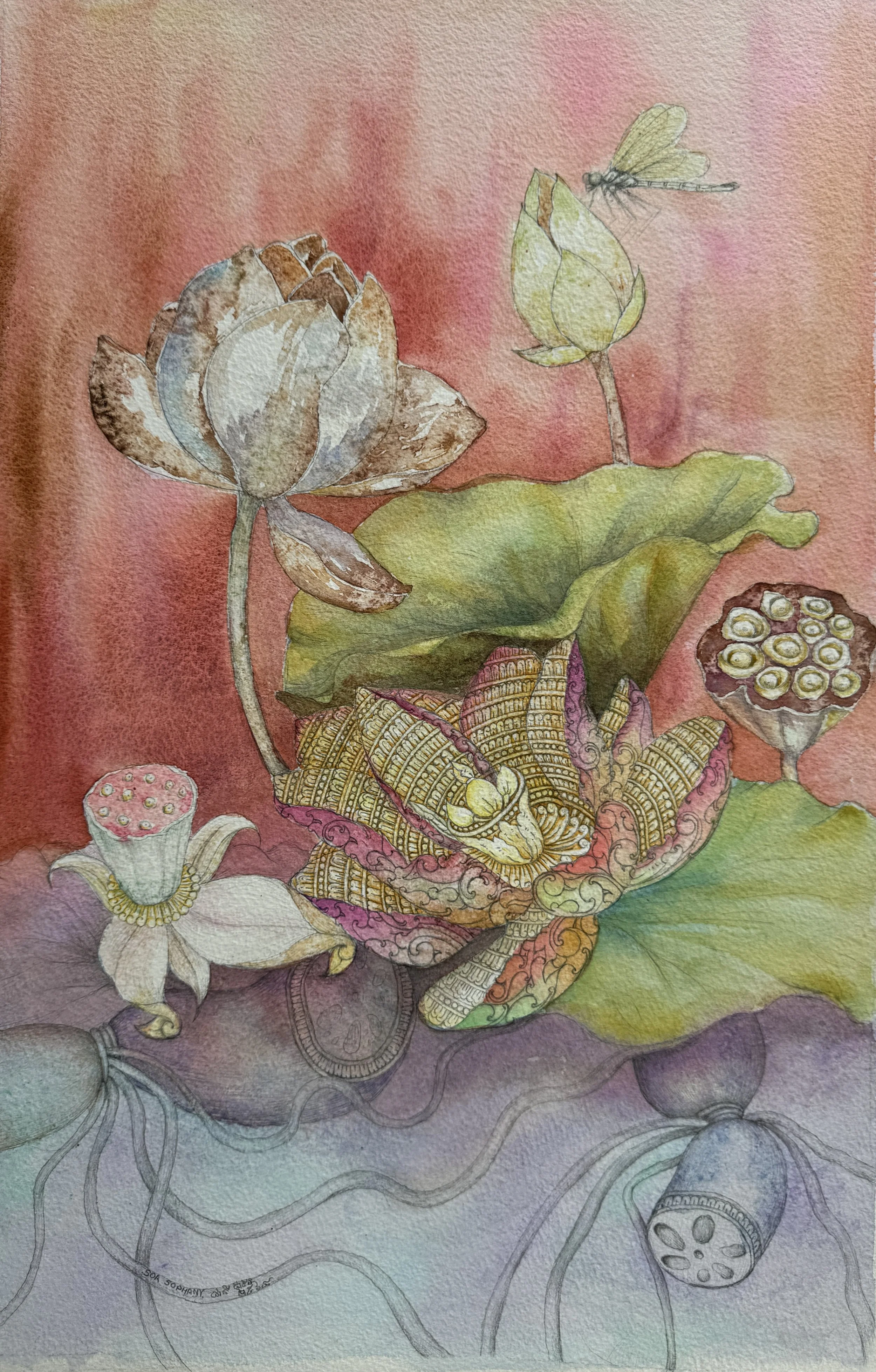
Sor Sophany
"On the Inside"
October - December 2024
Being Indigenous
Contemporary Khmer artists are connected by their understanding and appreciation for the artistic traditions that once shaped an Empire. Their work is indigenous, as in, from and about this place. They venerate that creative and aesthetic heritage in the same way as Cambodians celebrate those who came before: their family and ancestors, who are honored during the Pchum Ben season.
Sophany Sor's paintings reveal a skilled and conscientious colorist. Using techniques of layering color upon one another, and symbols over color, we are presented with personal stories from her Khmer heritage.
In the words of nineteenth-century art historian John Ruskin, "No color harmony is of high order unless it involves indescribable tints. It is the best possible sign of a color when nobody who sees it knows what to call it, or how to give an idea of it to anyone else."
Her emphasis on color harmony illustrates her appeal for harmony between humans with nature, people with one another, and individuals with their own lives.
Touching the Earth, Reaching For Our Future
These traditional ways of seeing ourselves and our families is a story carried through in paintings such as Guardians of a Thousand Hands.
Everyone is breathed into existence to be born in a people who are waiting for our arrival. The world is revealed to us on that day. Our lives begin as we emerge from the womb world, a water realm, shrouded in the radiance of light and swirling with romdoul flowers.
This blossom has long been represented in the bas-reliefs of Angkor temples, symbolizing that we are all children of the Earth Goddess, Preah Thoroni. In that universe, we are safe.
In the Theravada Buddhist traditions, the extended hand signifies our reaching for guidance while reassuring us of our path. This is best seen in the ubiquitous sculpture of the Buddha in the pose, or mudra, of Touching the Earth.
As life goes on, we need to also protect ourselves, another similar theme expressed in the painting titled, “Who I Am.”
Symbols Give Rise to Thought
When Sophany describes the symbols she has carefully placed across the canvas, the viewer needs to let go of the tendency for one-to-one interpretations. Some subtleties and references may take time to understand. As with her colors, meanings in Khmer art are often layered.
Sophany explains, "Your art starts with your own life. Maybe someone understands that; maybe not.”
What her audience can appreciate, particularly if they are familiar with Khmer culture, is how she adheres to the ancient traditions of telling a story through readily understood symbols, the shared expressions of what binds a people together. The florals, emblems, and patterns may be unfamiliar to those outside of the culture, yet, as Sophany says about her work, "There is no right or wrong understanding even if it is only emotional."
The art of Cambodia has long been inspired and guided by the deities, all in the service of devotion and paying respect to where and from whom the people emerge.
More than anywhere, the guiding powers that lead us are on the inside. Inside the natural world around us. Inside our people. And on the inside of each of us.
"We are our own shadow. We are our own life. We are the ones."
– Sophany Sor
Essay by Frederick Sigman, PhD
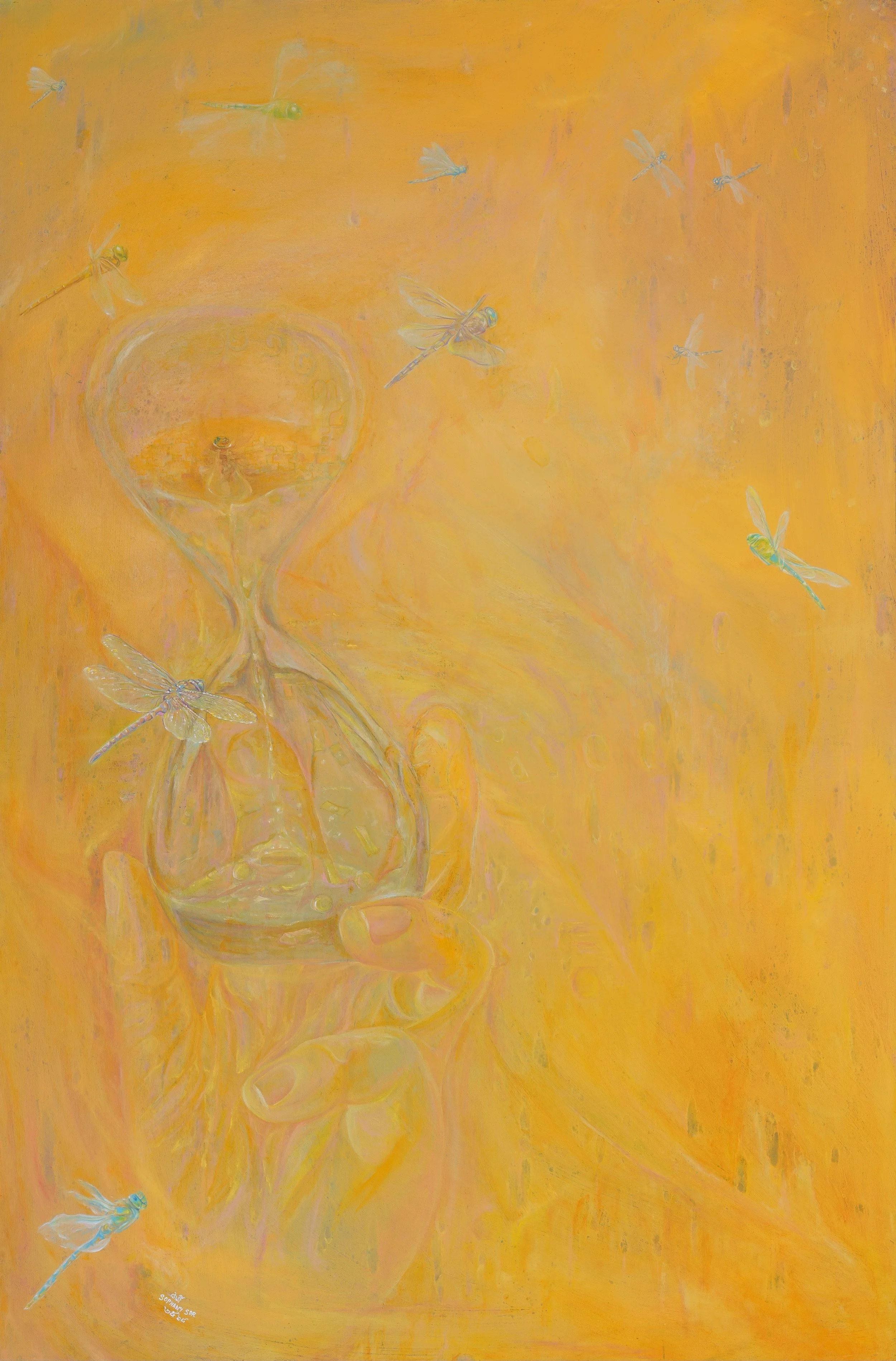
Sor Sophany, Flow, 2024, Oil on Canvas, 100x150cm
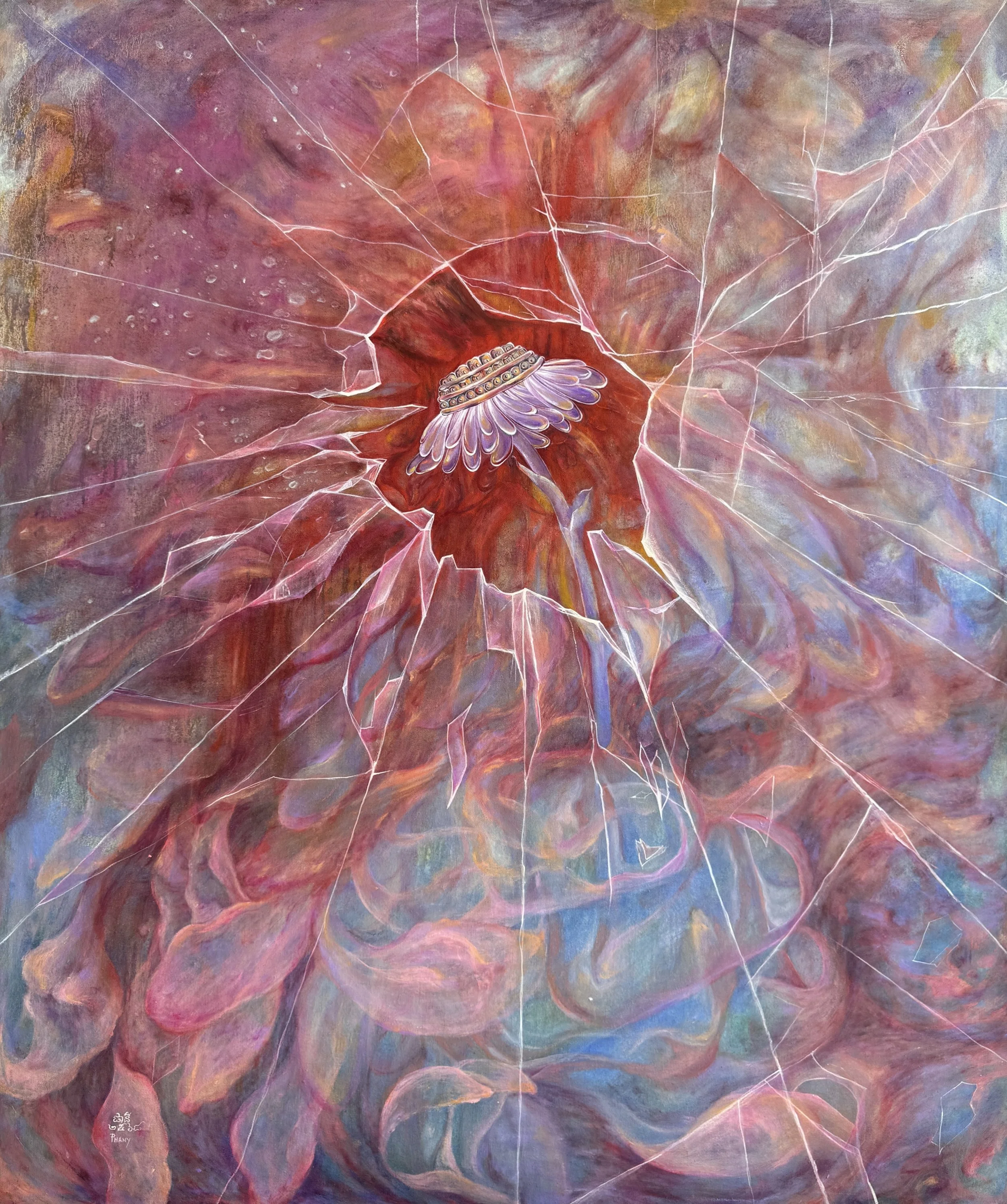
Sor Sophany, Orbit, 2024, Oil on Canvas, 110x130cm
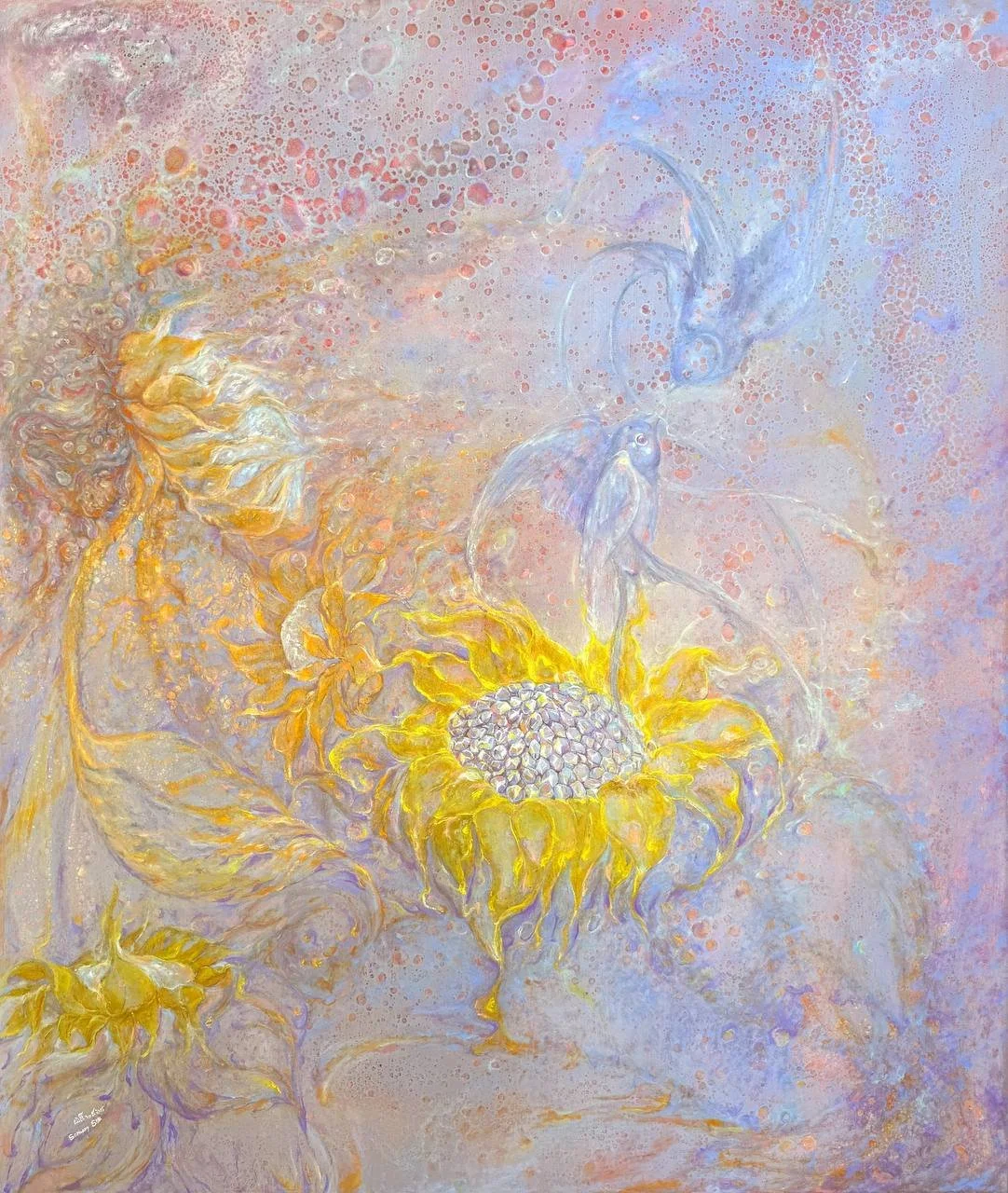
Sor Sophany, Equilibrium of Life, 2024, Oil on Canvas, 110x130cm
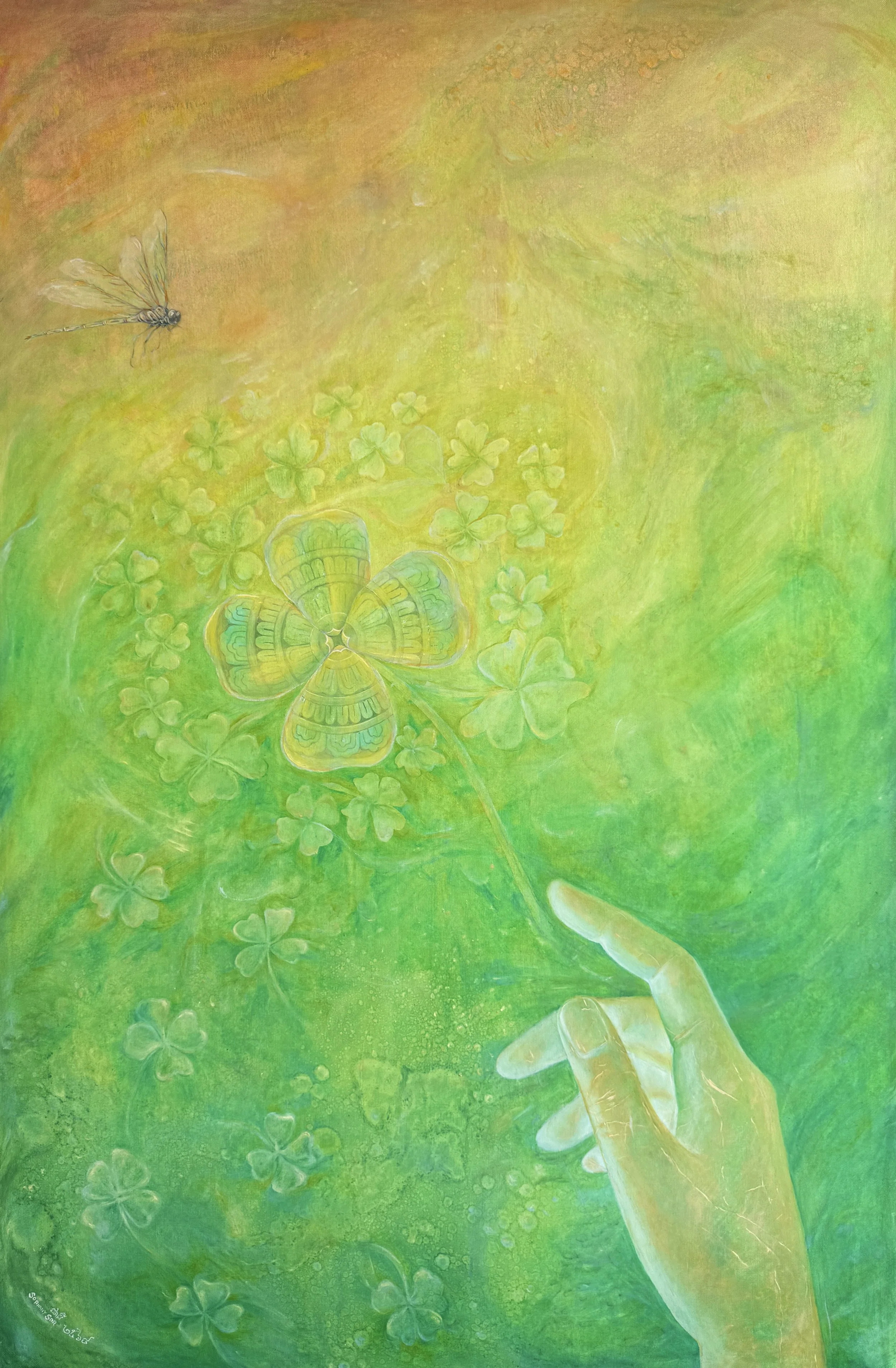
Sor Sophany, Heart’s Desire, 2024, Oil on Canvas, 100x150cm
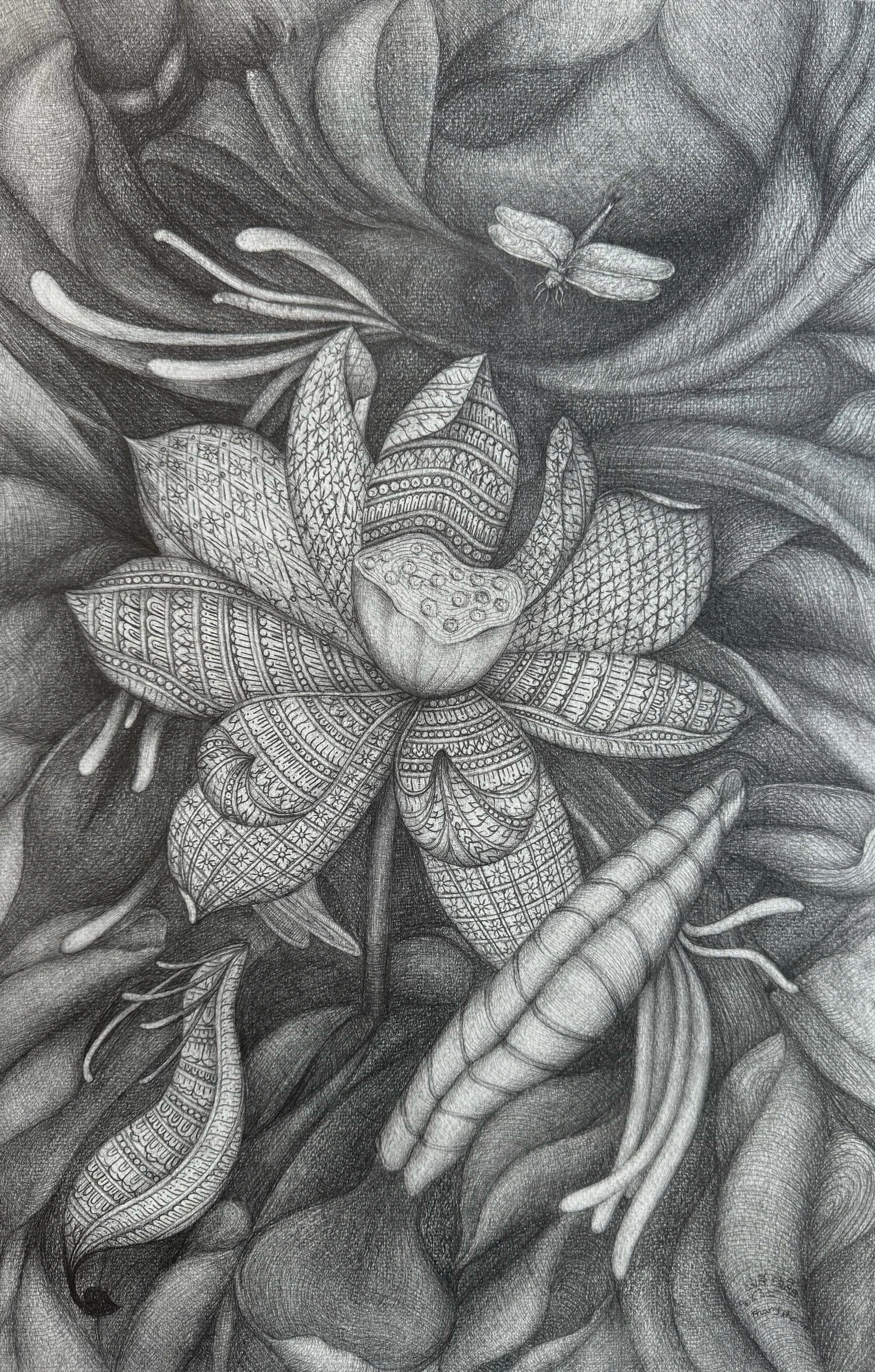
Sor Sophany, Journey to Self (I), 2024, Graphite on Paper, 34x51.5cm
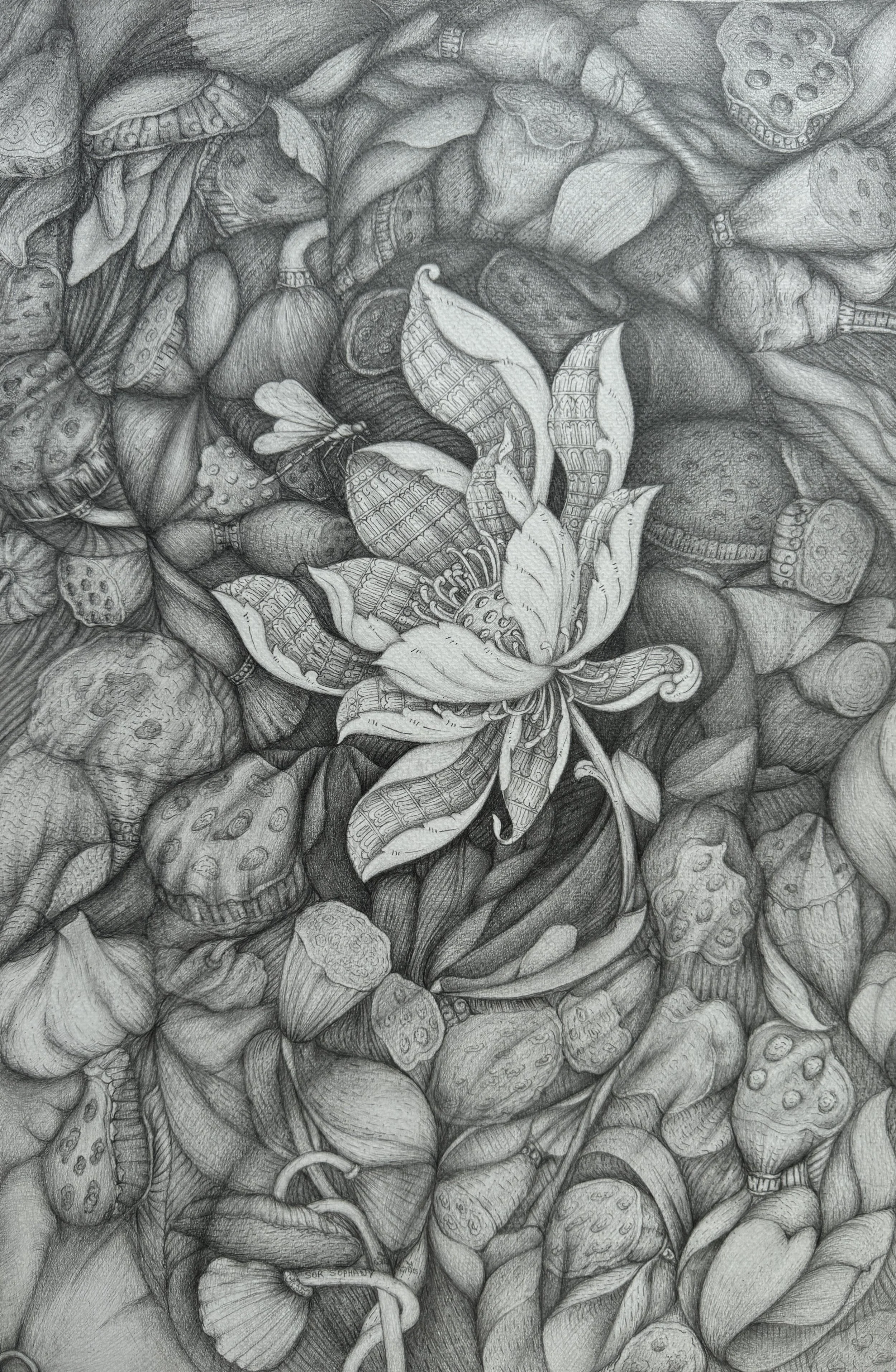
Sor Sophany, Journey to Self (II), 2024, Graphite on Paper, 34x51.5cm
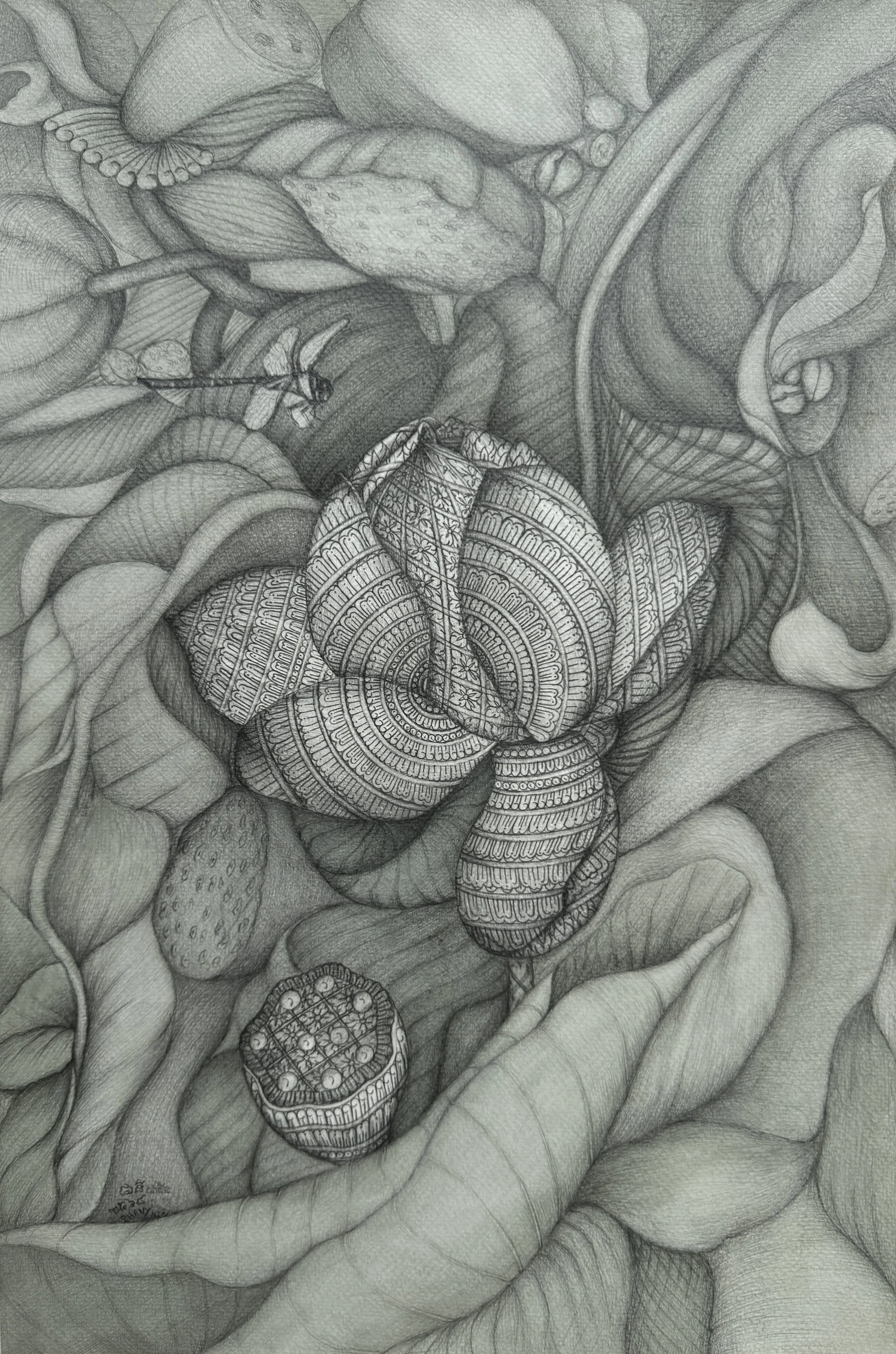
Sor Sophany, Journey to Self (III), 2024, Graphite on Paper, 34x51.5cm
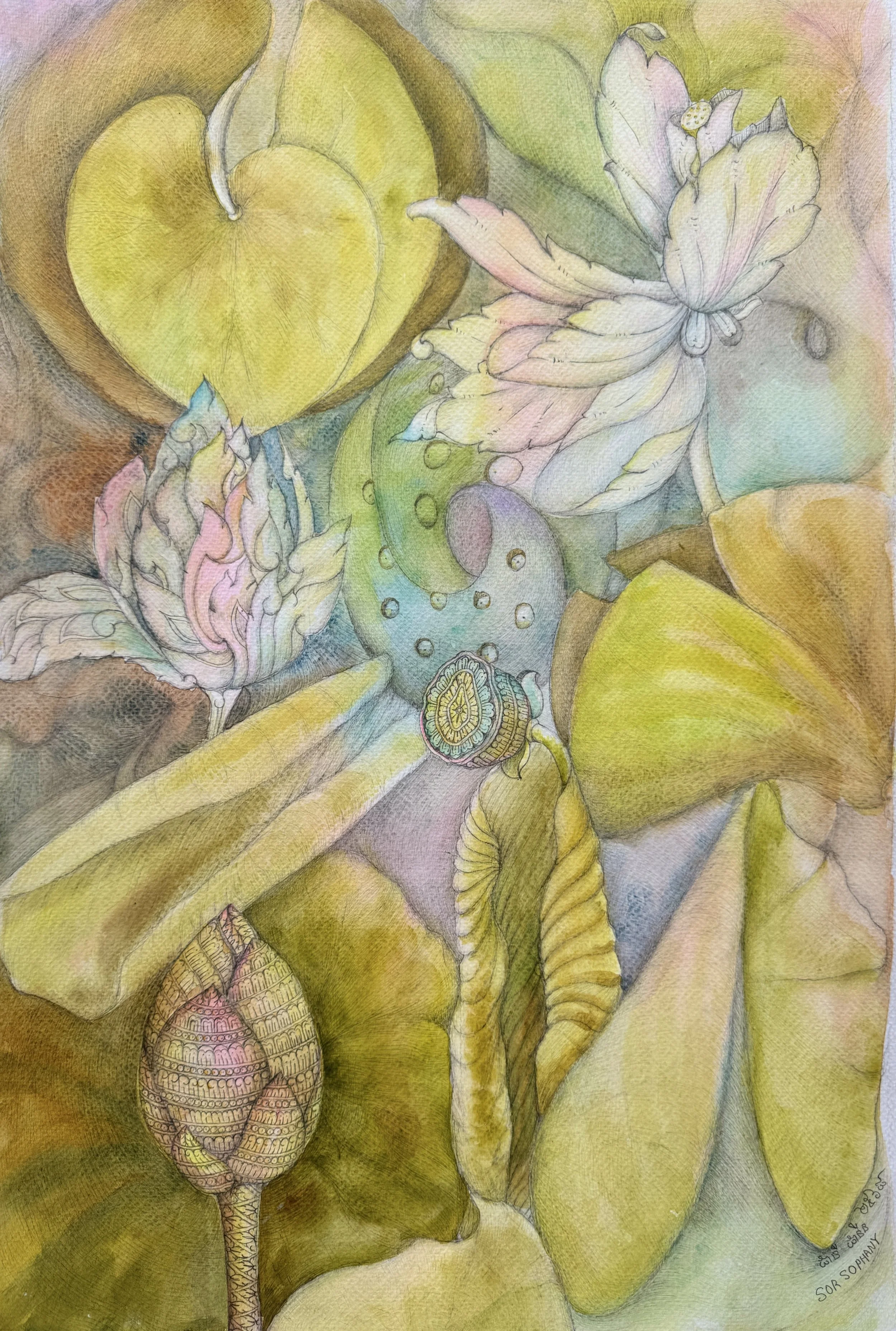
Sor Sophany, Lotus Prism, 2024, Watercolor and Pencil on Paper, 34x51.5cm
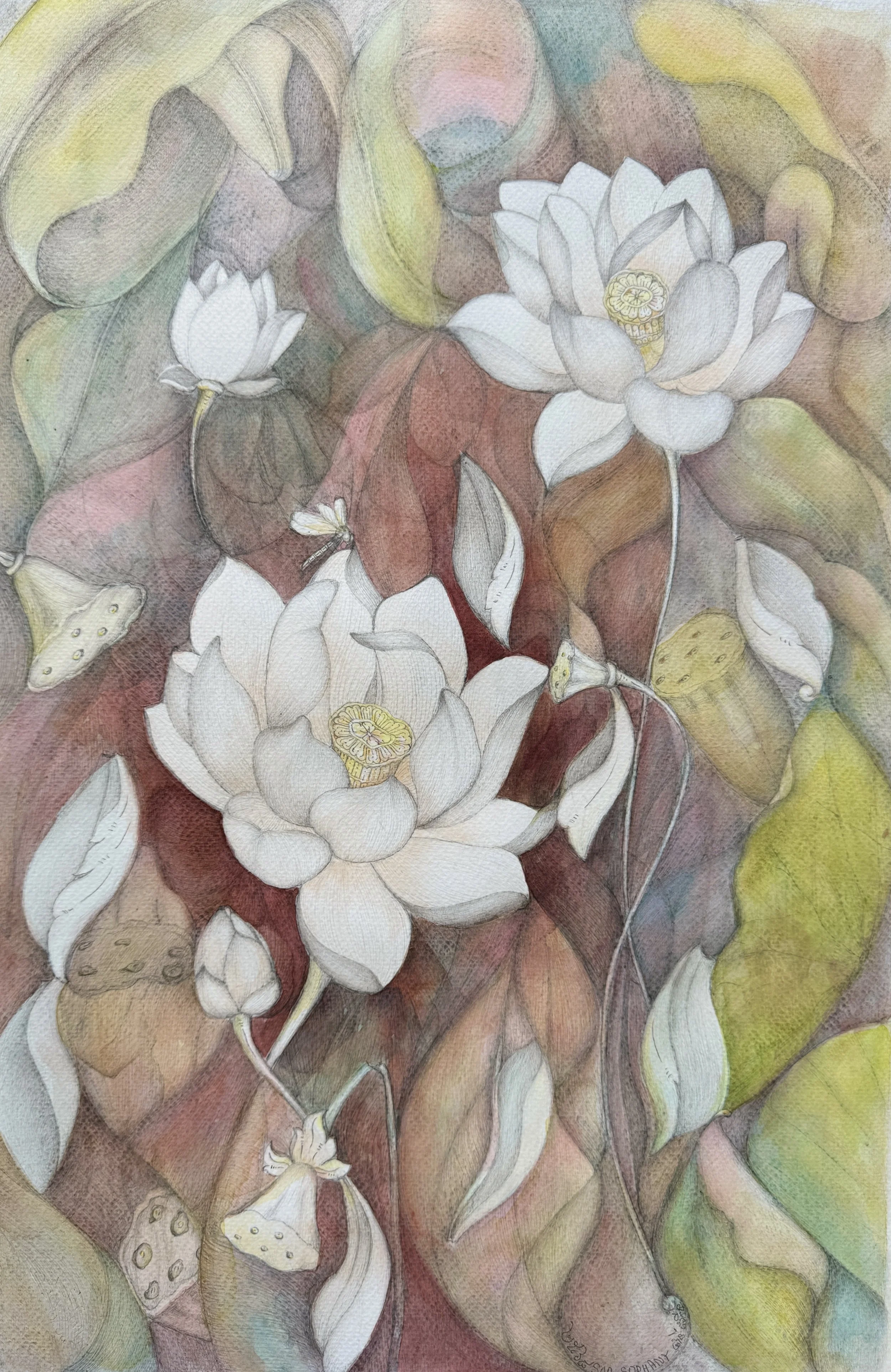
Sor Sophany, and Kbach detailing by Sophanin Sor, Flowing Lotus, 2024, Watercolor and Pencil on Paper, 34x51.5cm
Sor Sophany, Life Cycle of a Lotus (Completion), 2024, Watercolor and Pencil on Paper, 34x51.5cm
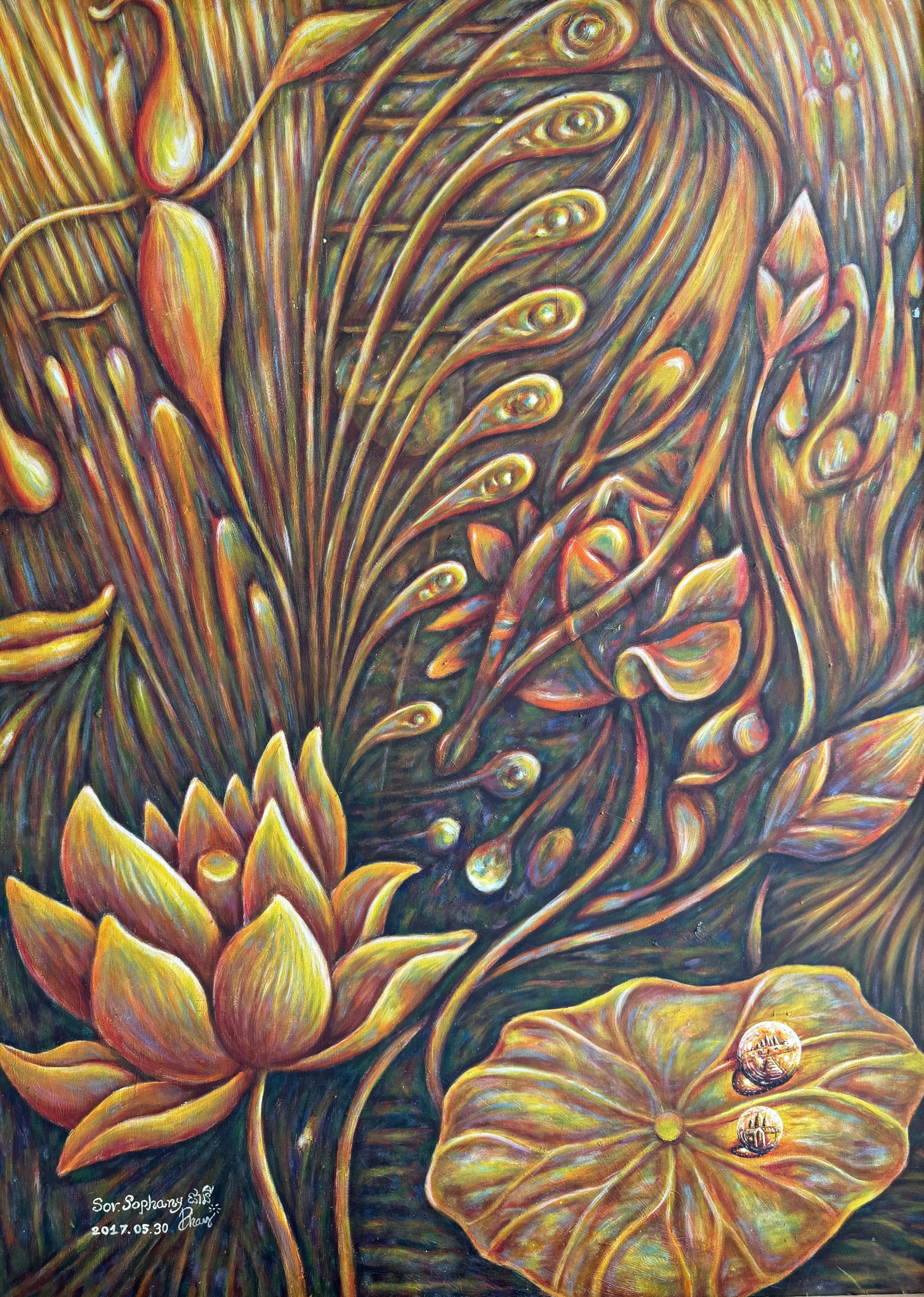
Sor Sophany, Pure Flower, 2017, Oil on Canvas, 88x120cm
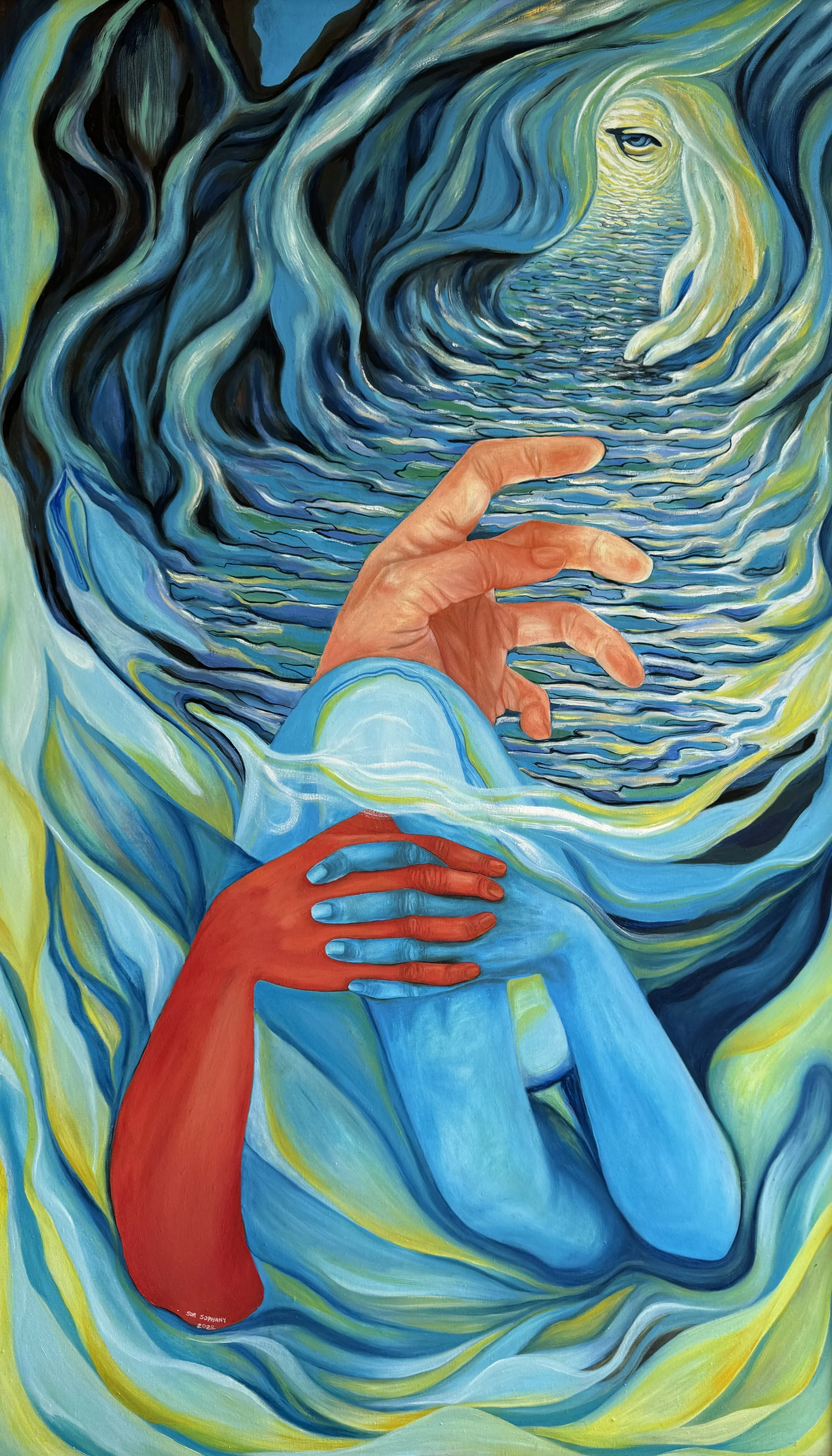
Sor Sophany, Fate, 2022, Oil on Canvas, 91.5x153cm
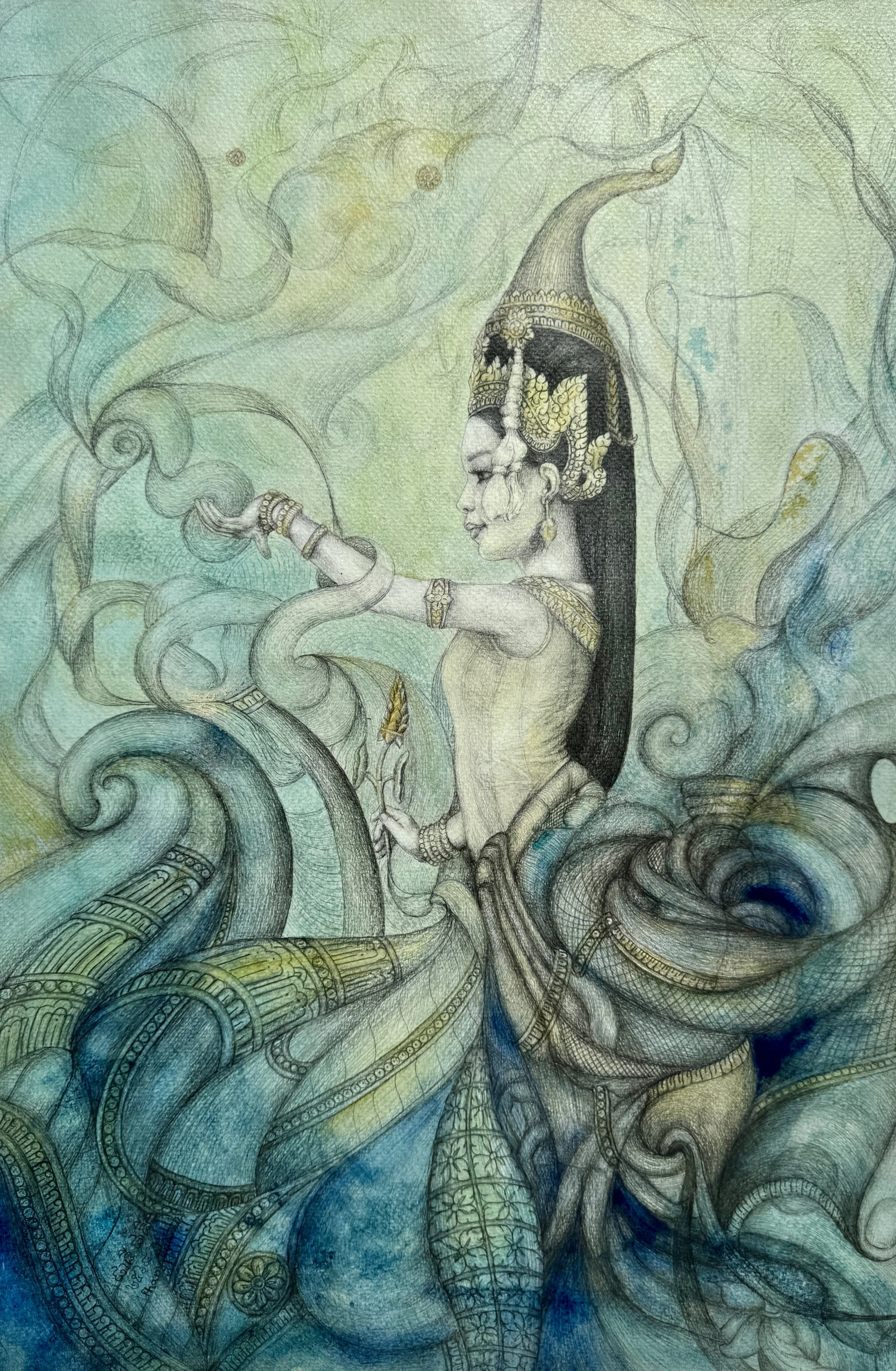
Sor Sophany and Kbach detailing by Sophanin Sor, Apsara in Bloom, 2024, Watercolor and Pencil on Paper, 34x51.5cm
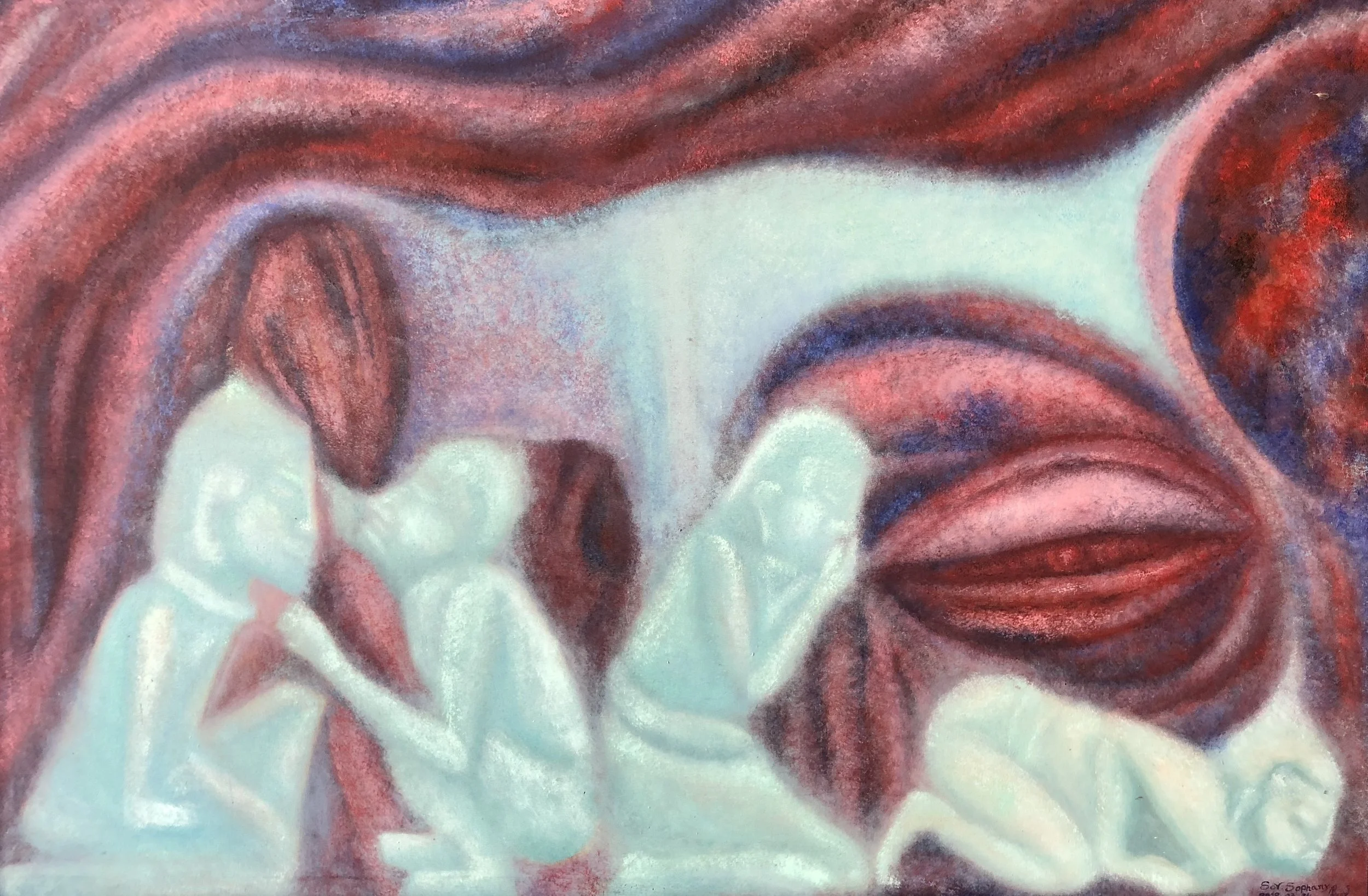
Sor Sophany, Human Characteristic, 2018, Oil on Canvas, 90x130cm
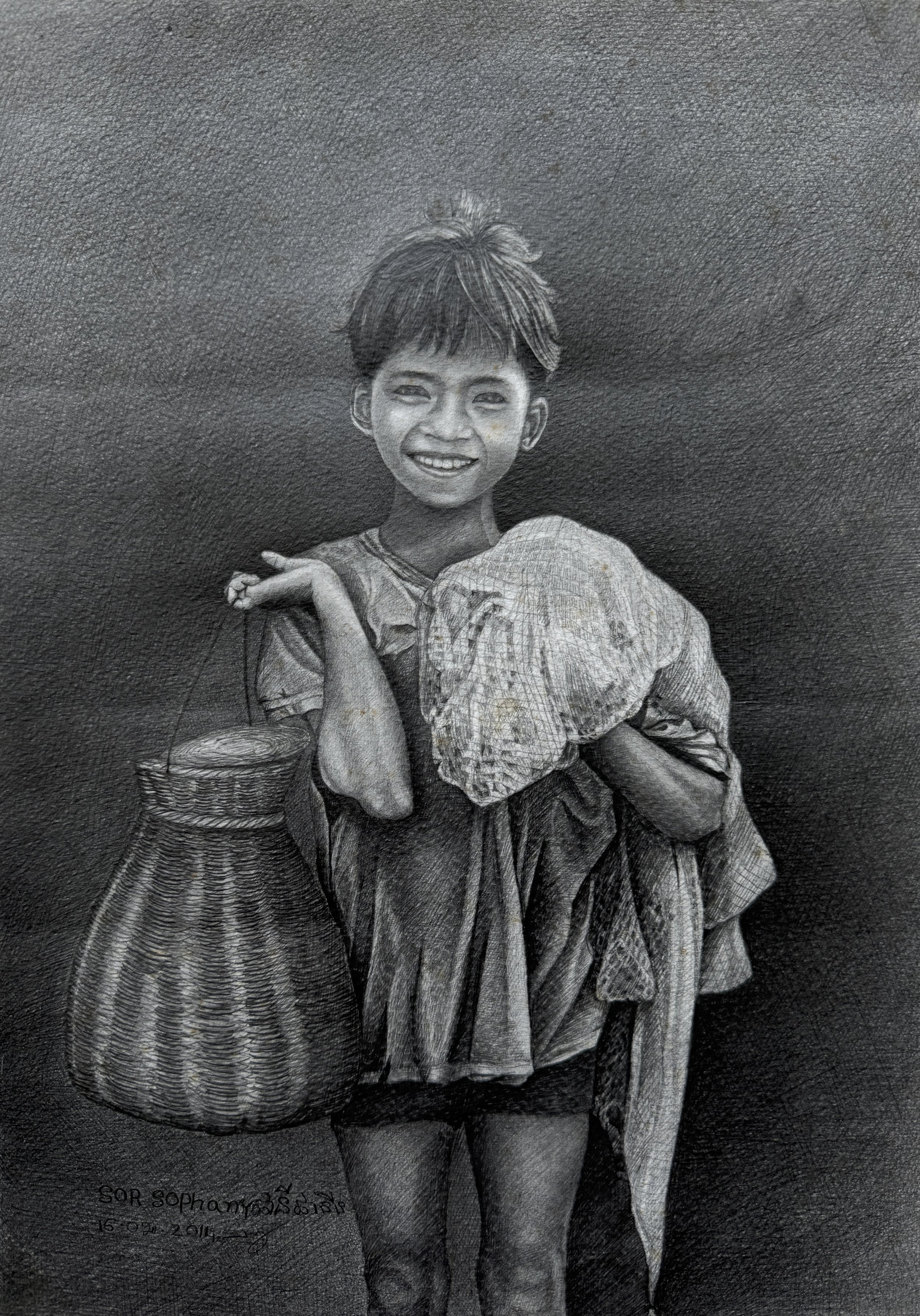
Sor Sophany, Village Youth, 2011, Graphite on Paper, 24x32cm
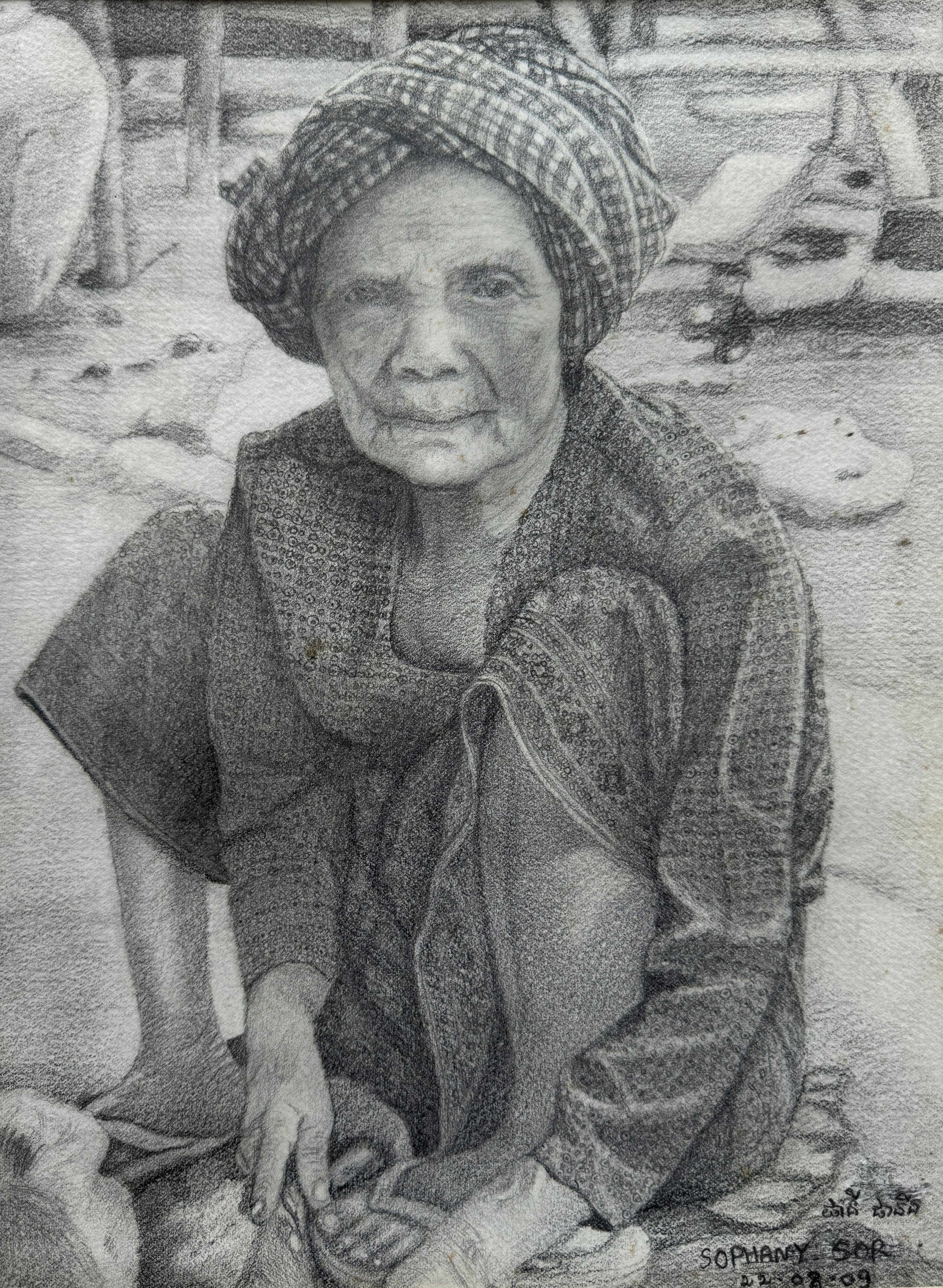
Sor Sophany, Elder, 2009, Graphite on Archival Paper, 24x32cm
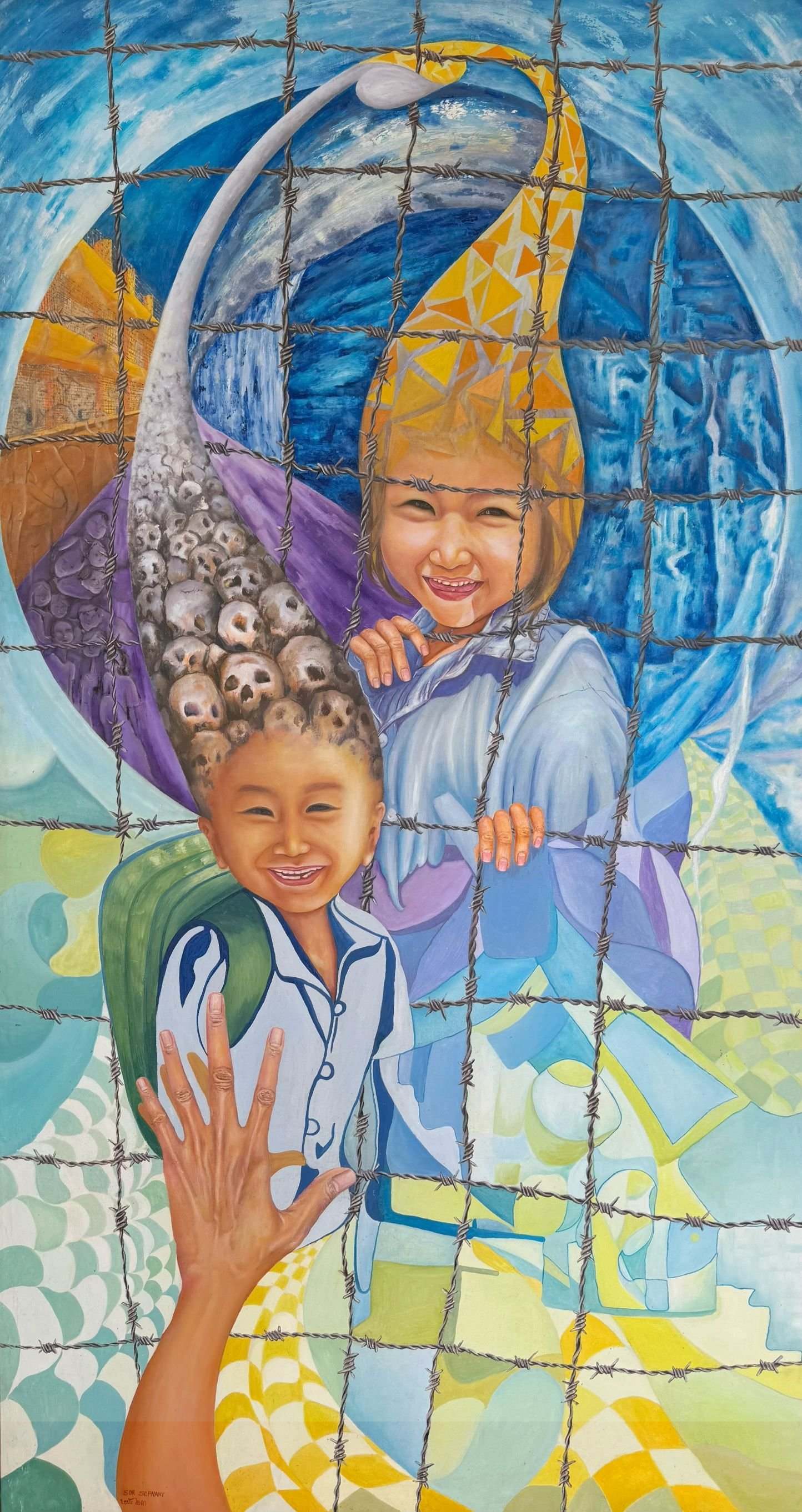
Sor Sophany, Life is Spiritual, 2020, Oil on Canvas, 97x179cm

Sor Sophany, Girl in Number Four of Life, 2023, Oil on Canvas, 110x130cm
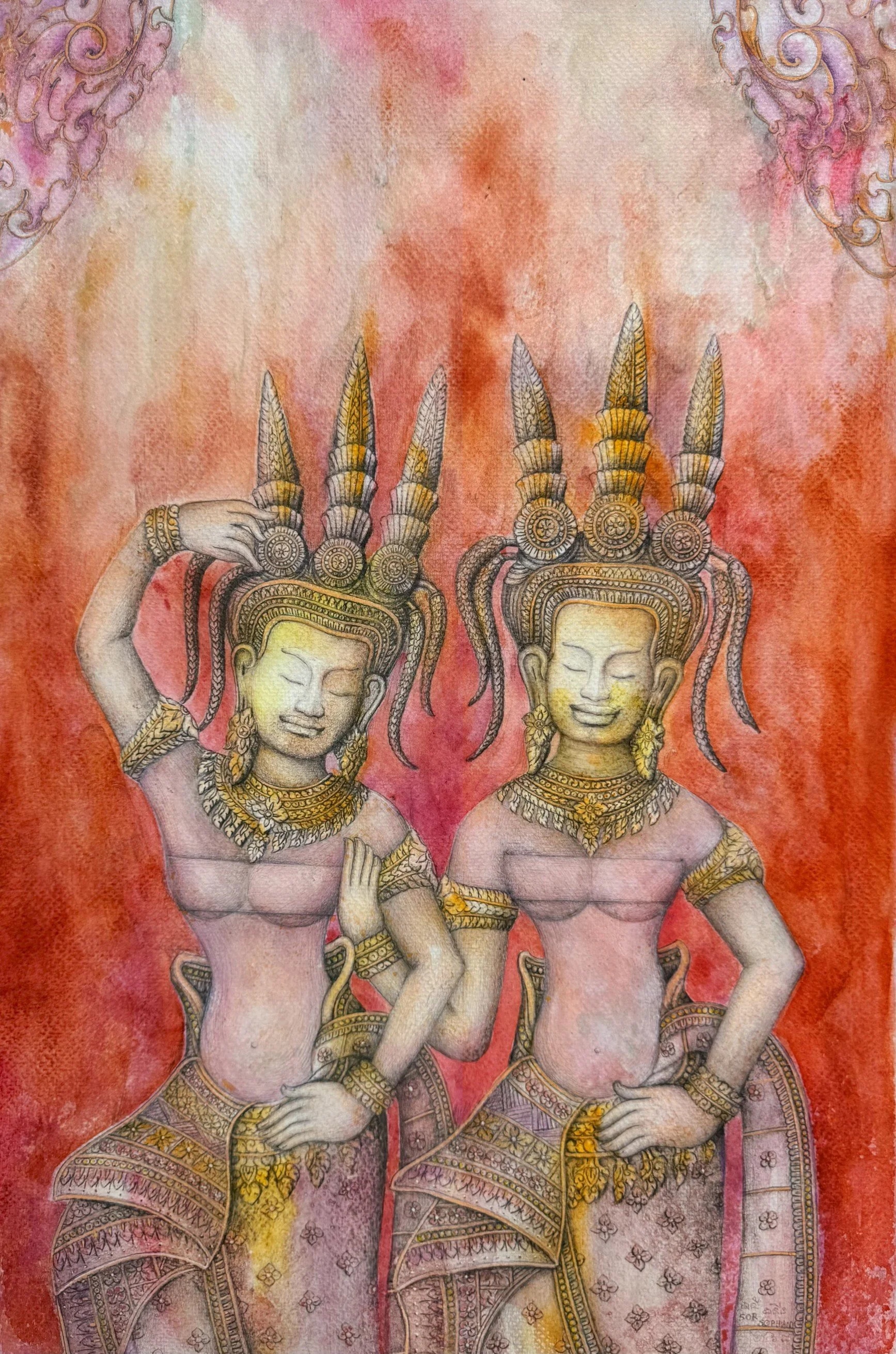
Sor Sophany, and Kbach detailing by Sophanin Sor, (twins, b. 1989), Sister Apsaras, 2024, Watercolor and Pencil on Paper, 34x51.5cm
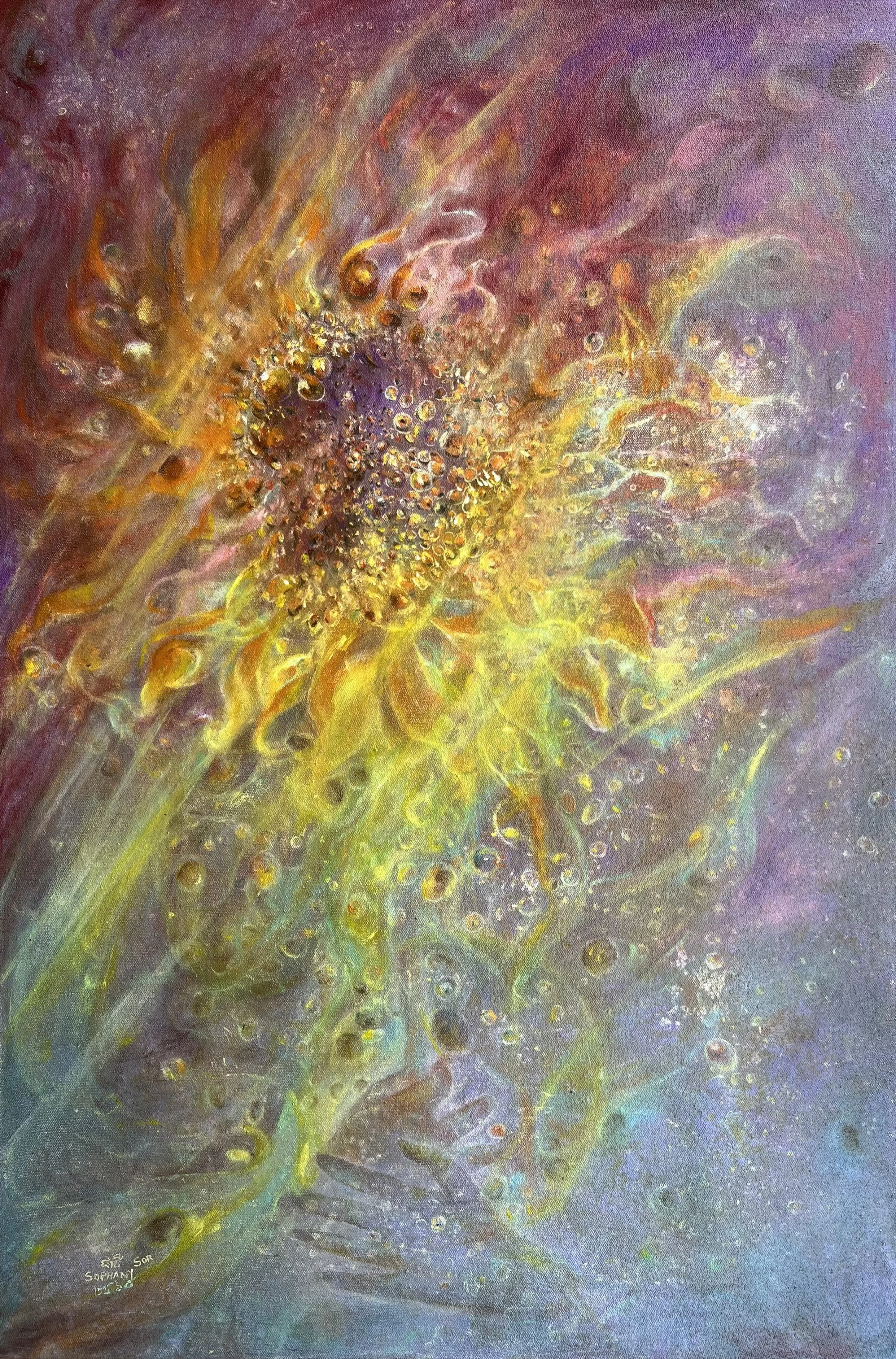
Sor Sophany, Tangible Bonds, 2025, Oil on Canvas, 62x91cm
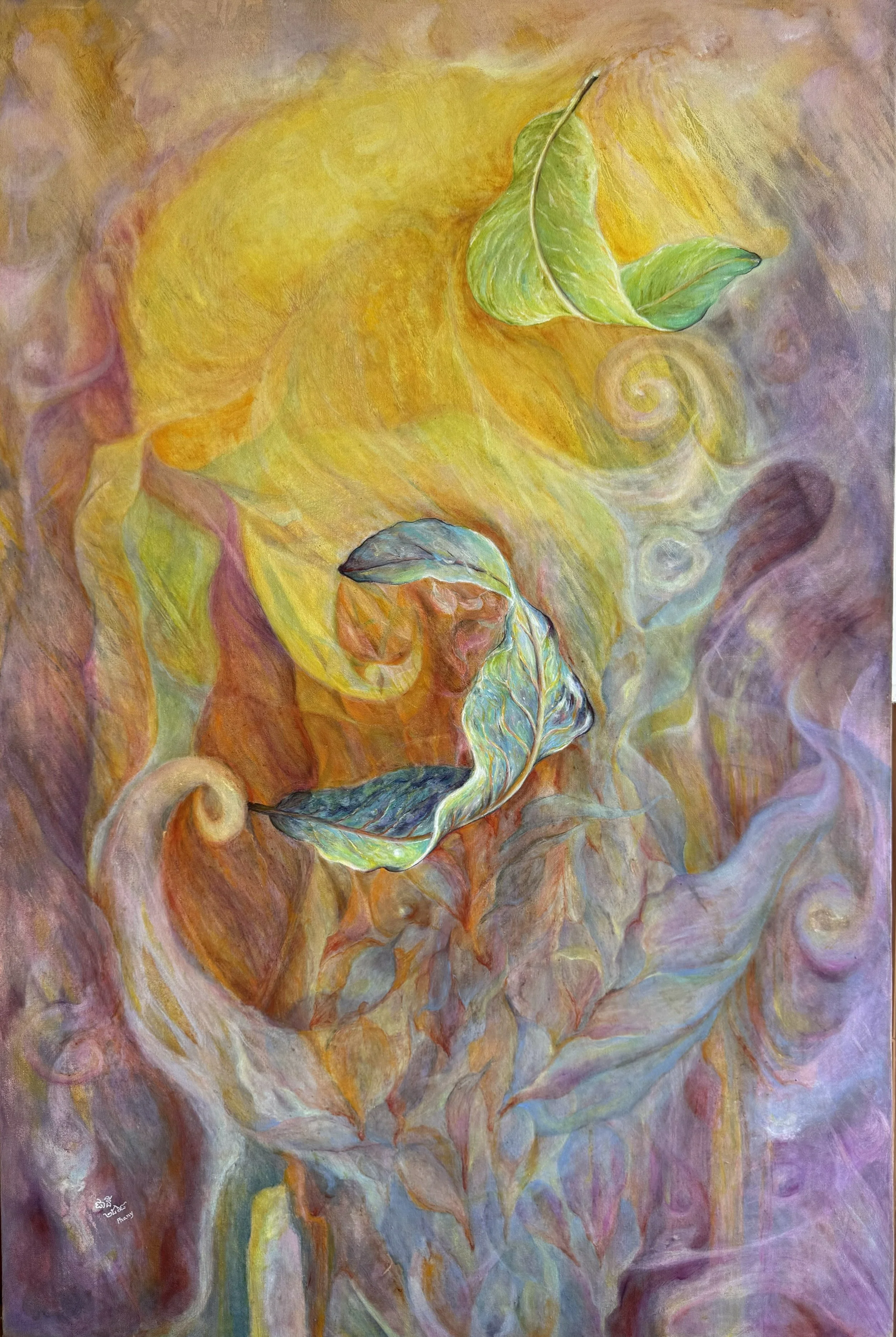
Sor Sophany, Who I Am, 2024, Oil on Canvas, 100x150cm
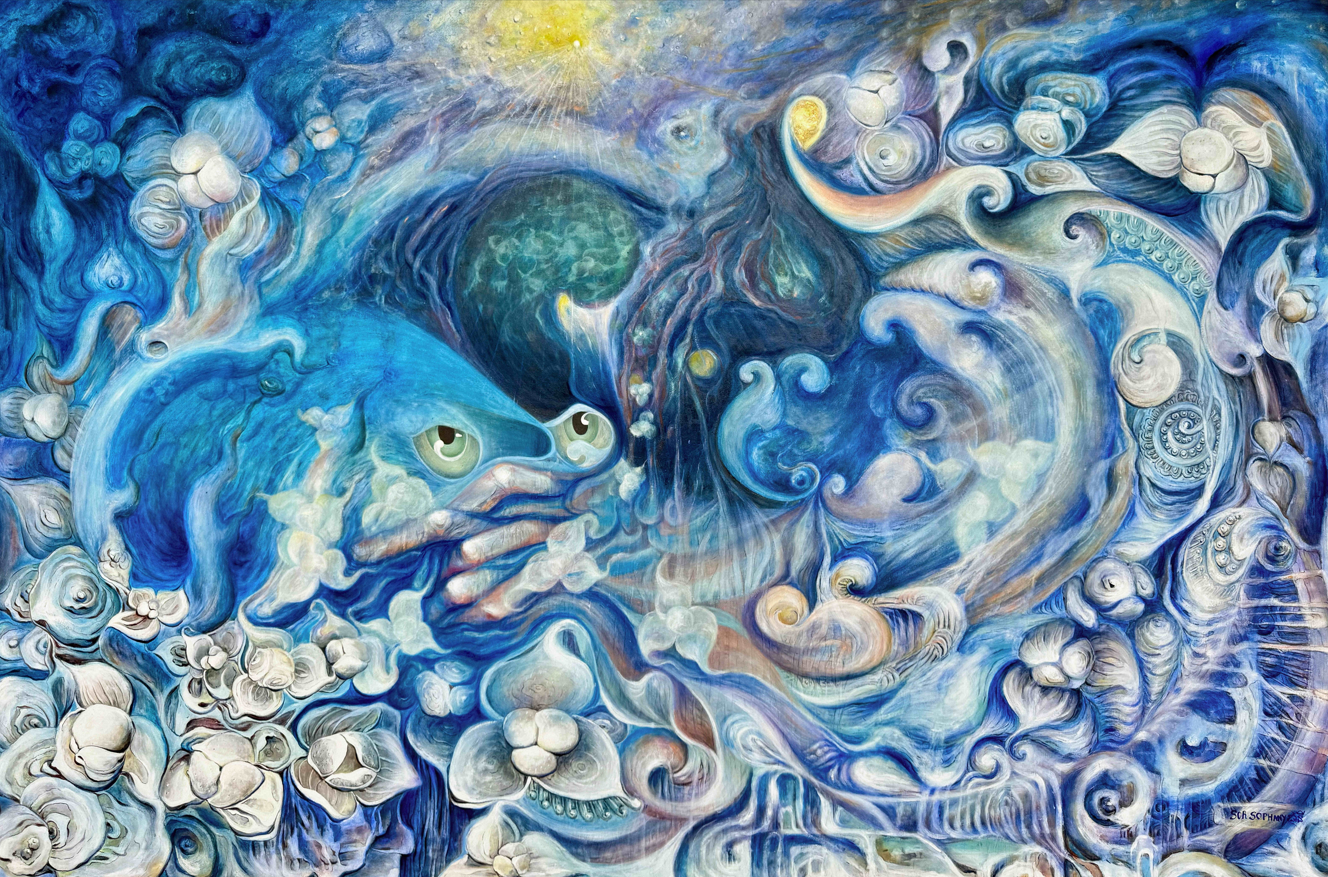
Sor Sophany, Guardians of a Thousand Hands, 2024, Oil on Canvas, 120x180cm