
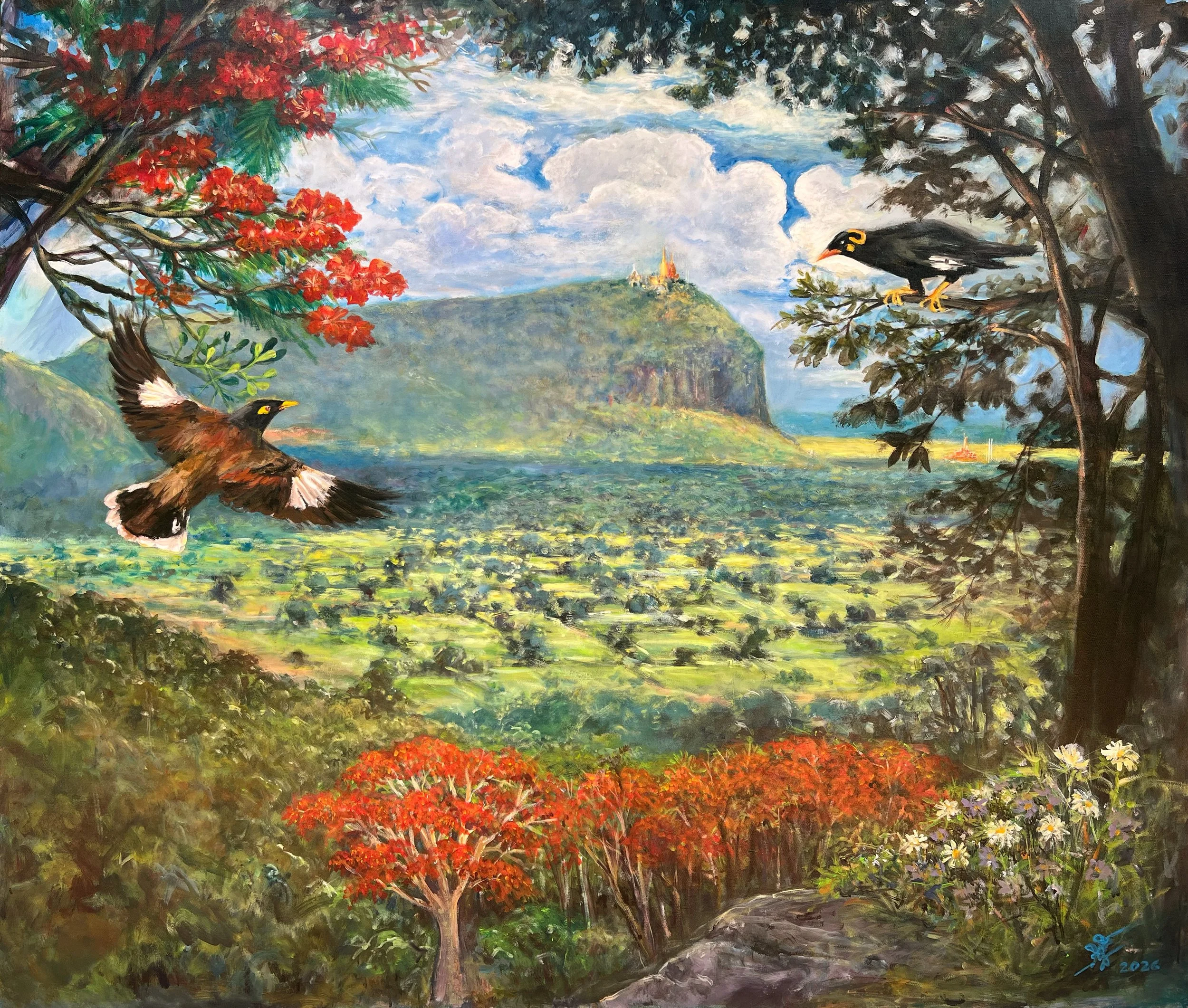
Chun Sovannarith (Fu Copper) Sampov, Mountain, 2026 Acrylic on Canvas 140x120cm.
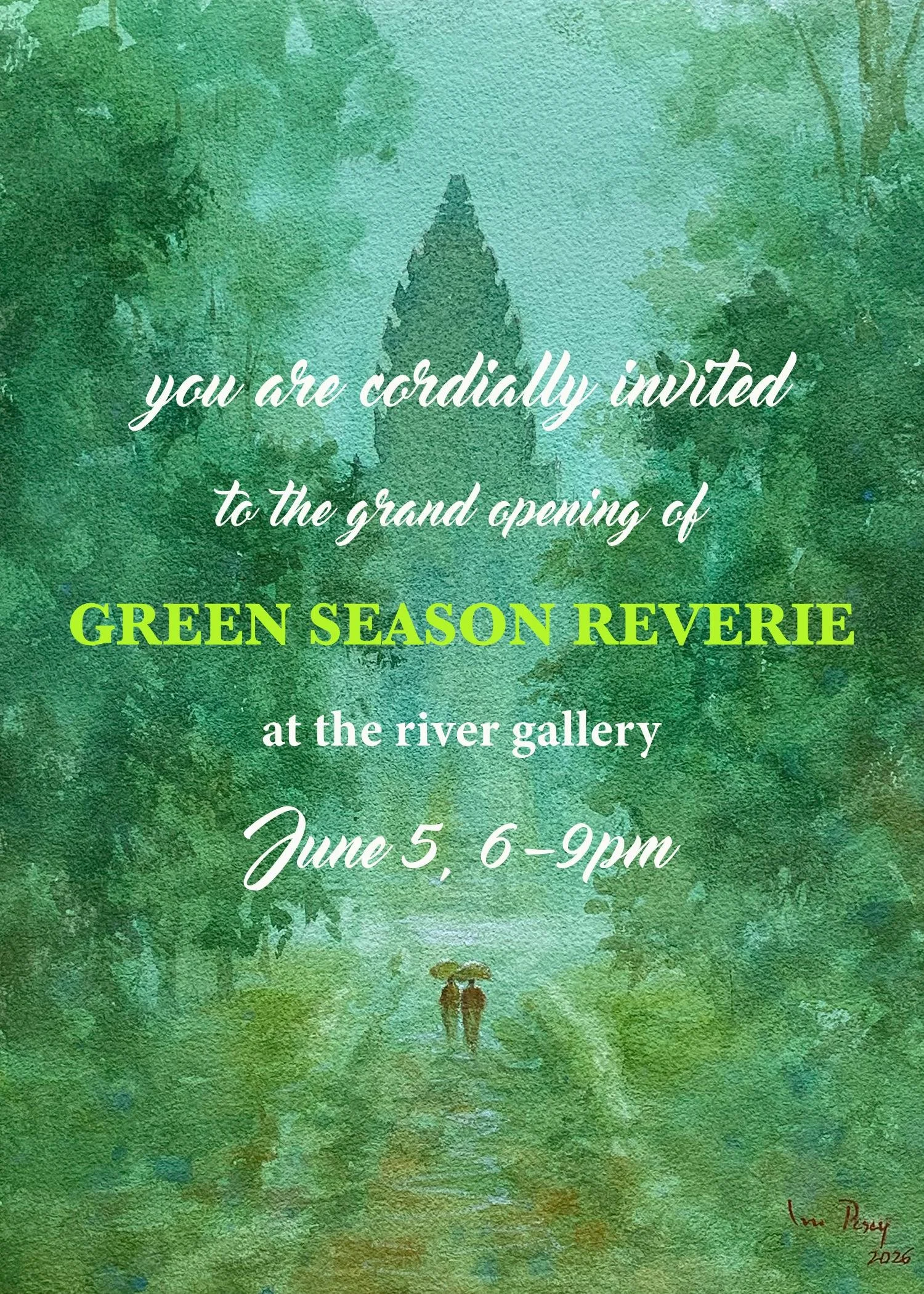
GREEN SEASON REVERIE
Memory and Landscape in Cambodian Painting
The arts have long held a rich and vital place in Cambodia’s cultural history. During theheight of the Khmer Empire (9th–15th centuries), the country experienced an extraordinary period of artistic and cultural flourishing. While landscape painting as we know it today did not yet exist, references to the natural world were masterfully woven throughout temple architecture and bas-reliefs, where landscapes served symbolic, spiritual, and cosmological purposes. At Angkor Wat alone, these carvings extend for nearly 1,700 feet, depicting scenes such as the mythological Churning of the Ocean of Milk. When Khmer art is studied internationally, it is often presented through the lens of these monumental achievements—temple architecture, religious mural painting, and sculptural carvings—rather than through the tradition of modern canvas painting.
In the 1950s and 1960s, Cambodia entered another remarkable period of cultural flourishing under King Norodom Sihanouk. The country experienced a creative renaissance marked by extraordinary achievements in music, cinema, dance, architecture, and the visual arts. While the School of Cambodian Arts, founded in 1917 under King Sisowath, was originally established to preserve and promote traditional Khmer artistic practices, this period saw the expansion and modernization of arts education through what became the Royal University of Fine Arts. Artists studying painting during this era were encouraged to engage deeply with Khmer cultural identity, direct observation from nature, and representational realism. Landscape painting emerged as a favored subject, with artists depicting rivers and waterfalls, rice fields, temples, and rural life with great technical skill and reverence.
Although many artworks, archives, and historical records were lost during the decades of conflict that followed, painter Nhek Dim remains widely regarded as one of the most influential figures in Cambodian landscape painting. His works helped define a distinctly Cambodian approach to modern painting, balancing realism with memory, emotion, and cultural identity. Today, his influence remains deeply embedded within Cambodia’s visual culture.
Green Season Reverie continues this rich lineage of landscape painting while honoring a history that is still being reconstructed. Bringing together 34 contemporary artists living and working in Cambodia today, the exhibition celebrates the enduring relationship between memory and place. Through diverse interpretations of the landscape, these artists offer reflections on the beauty, spirit, and emotional resonance of Cambodia—revealing what this land continues to mean in the hearts, memories, and imaginations of those who cherish it.
Ariel Mario Tudela • Art Foo • Bill Gentry • Bunneam Moy • Chhim Sothy • Choulay Mech • Chun Sovannarith • Dipika Kohli & Panharithykun Phat • Im Pesey • Im Seila • Jo Farrell • John McDermott • Julia Haw • Karona Hoeuy • Kim Hak • Manuth Chek • May Sak • Morn Chear • Thy Channarak • Pari Gilmour • Polen Ly • Rhys Franklin • Rithy Heng • Ross Harris • Loun Lon • Sereyroth Chea • Set Soeng • Seyha Chhean • Sophany Sor • Tamara Venn • Toto Eduk • Viviane Guillot • Zak Houes
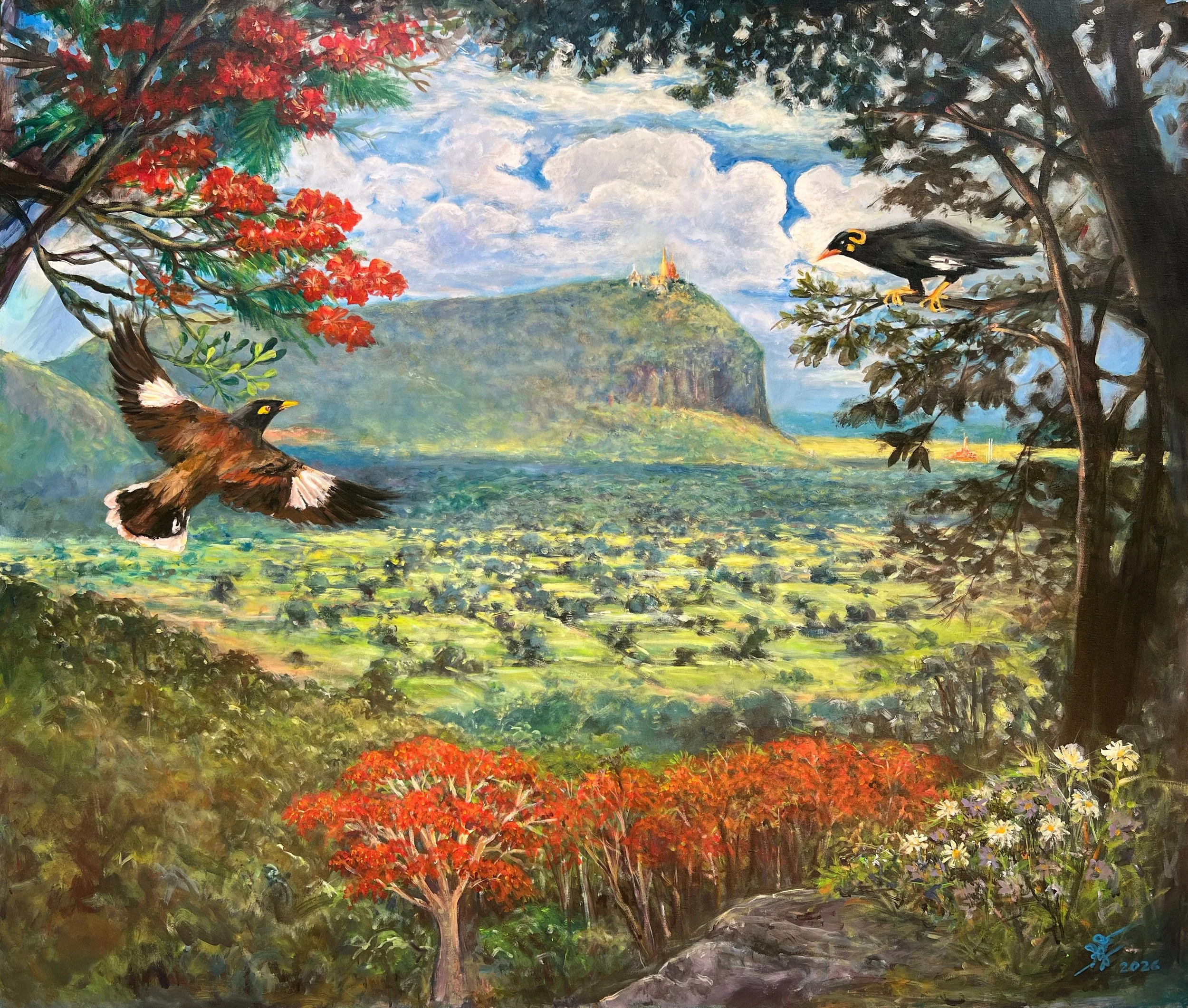
Chun Sovannarith (Fu Copper) Sampov, Mountain, 2026 Acrylic on Canvas 140x120cm.
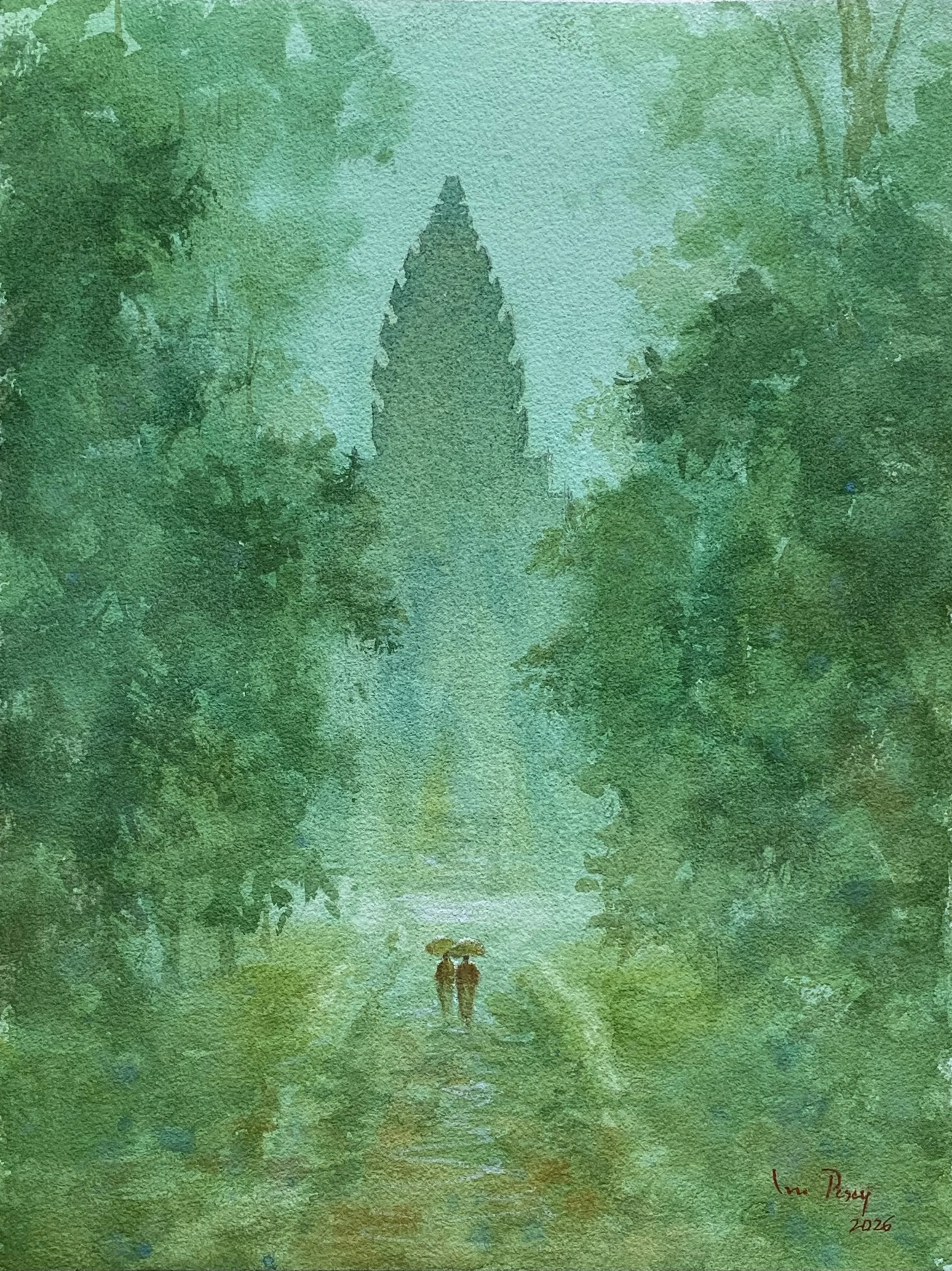
Im Pesey, Path to Angkor, 2026 Watercolor on Paper 30x40cm.
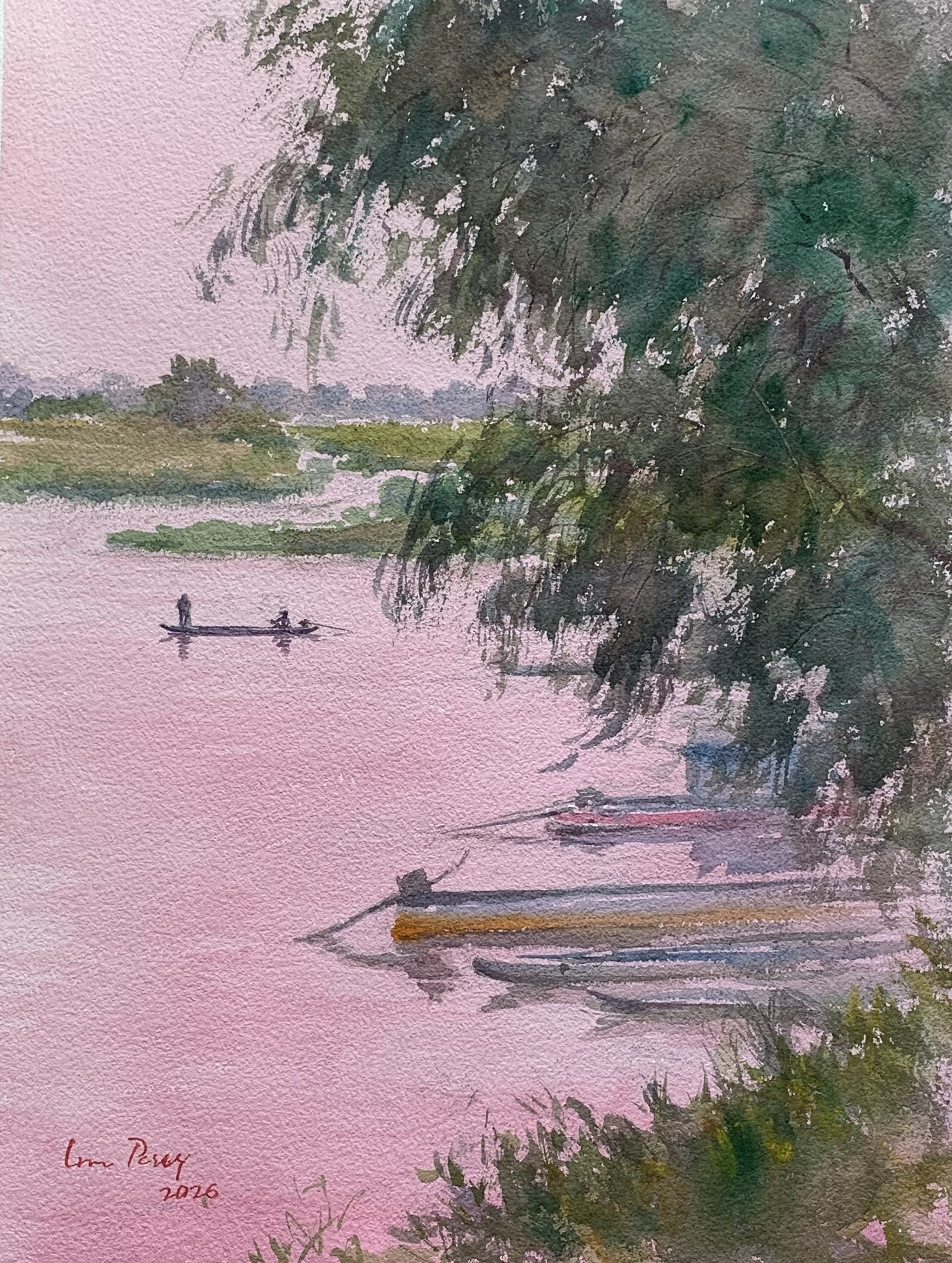
Im Pesey, Timeless Life on the Ancient Waters, 2026 Watercolor on Paper 30x40cm.
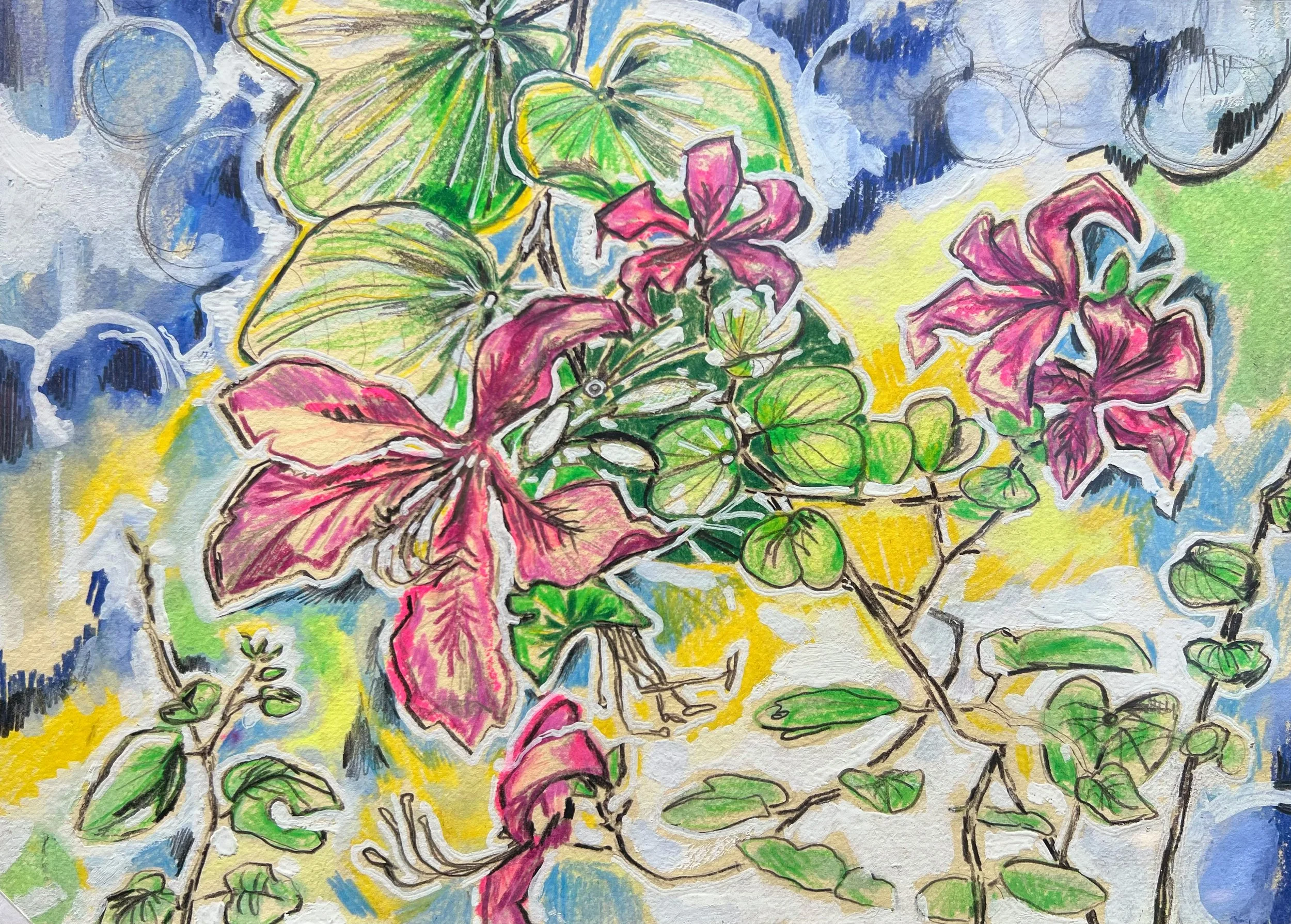
Ross Harris, Hong Kong Orchid, 2023 Watercolor, Watercolor Pencil, Graphite and Correction Pen 21x29cm.
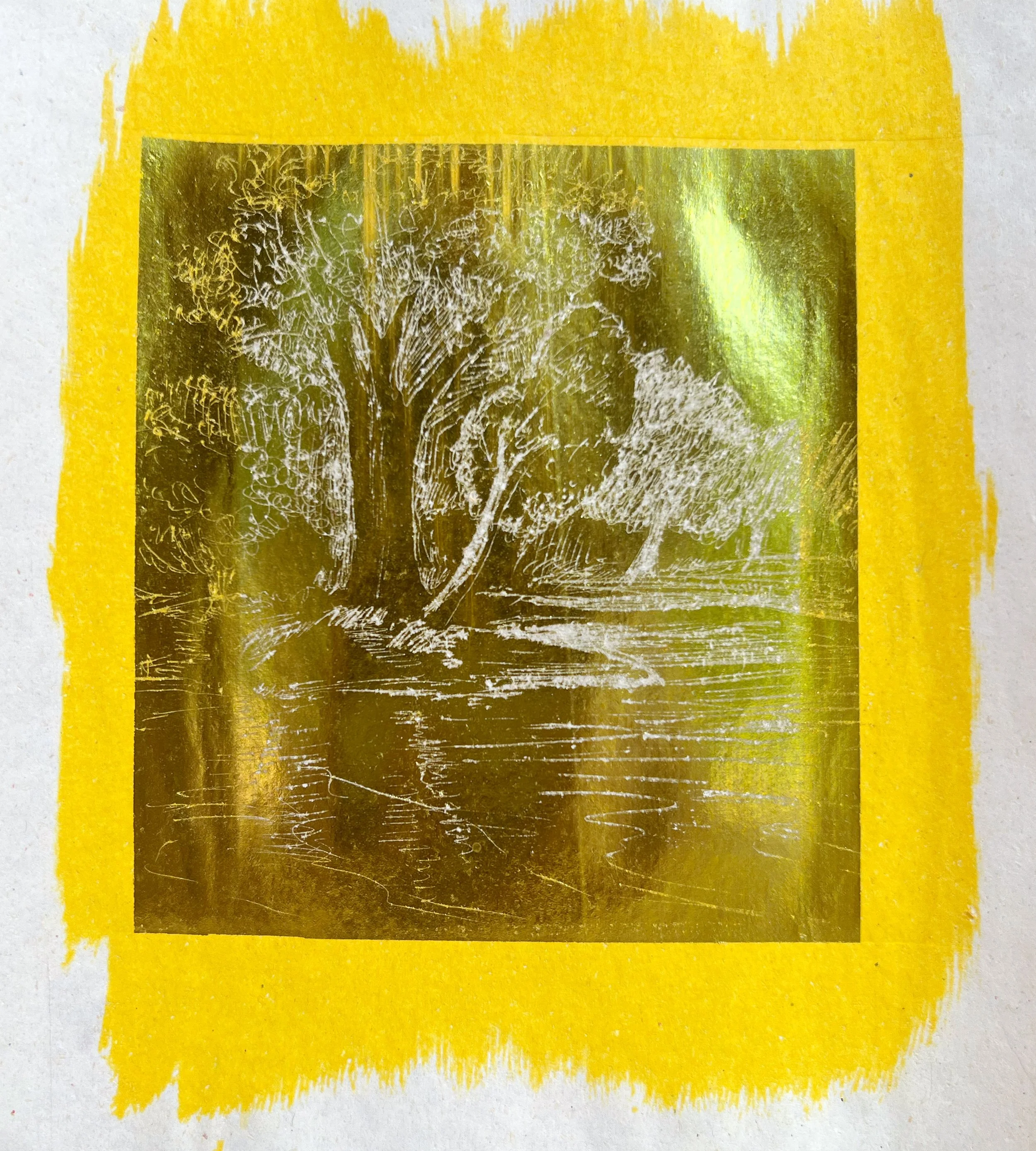
Ariel Mario Tudela, Where There’s Smoke II, 2026 Etched Joss Paper Sheets 13x15cm. each
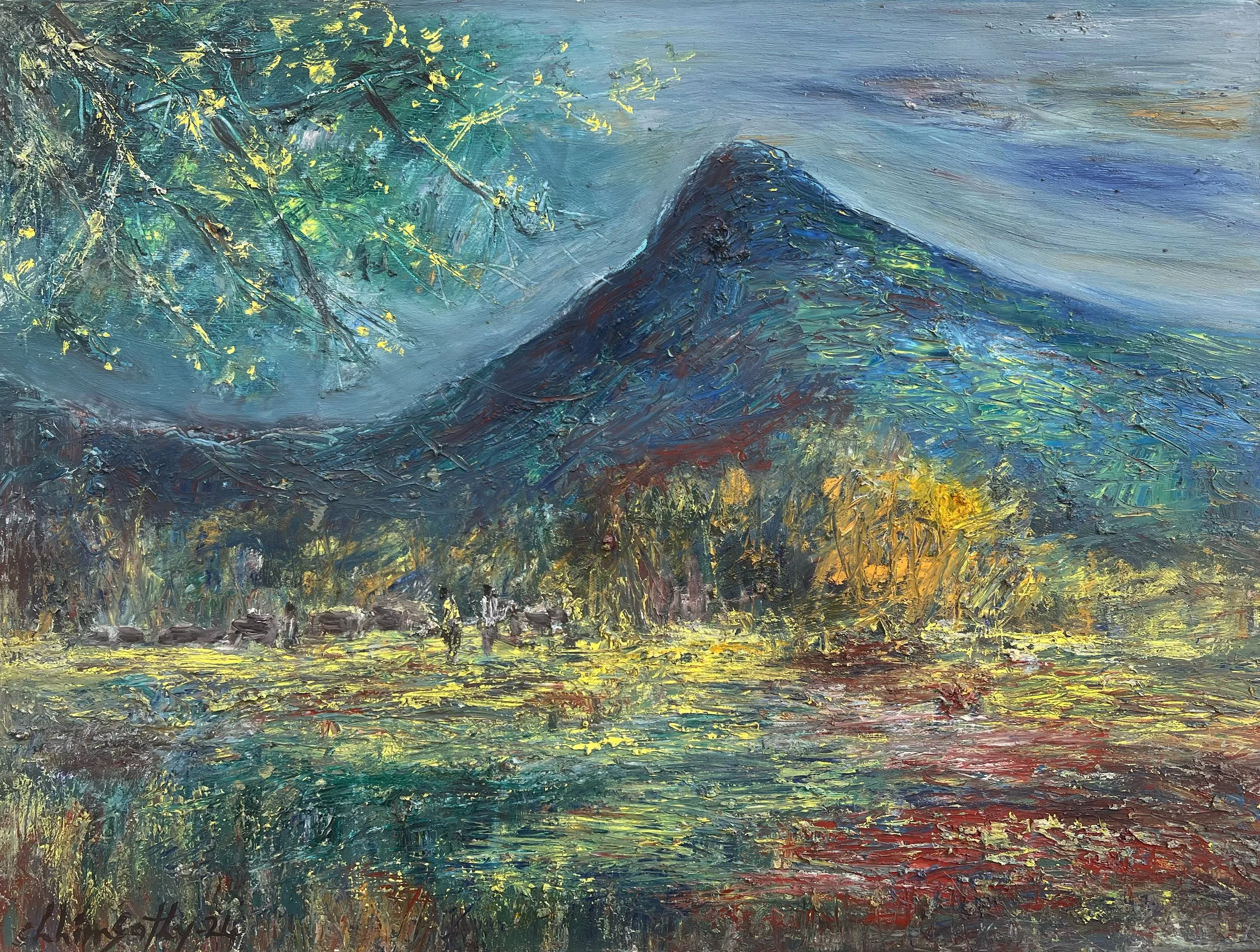
Chhim Sothy, Blue Mountain, 2026 Oil on Canvas 60x80cm.
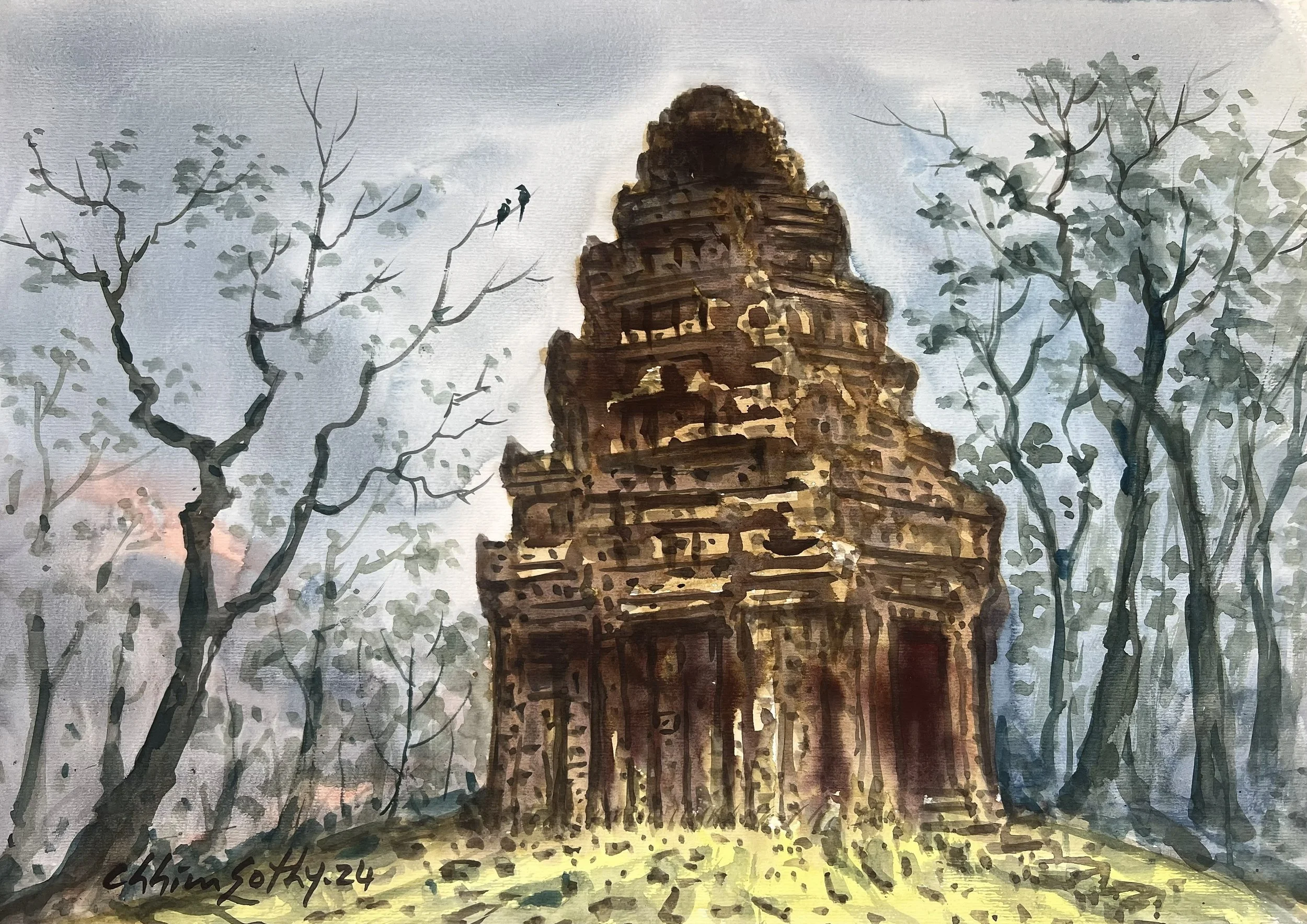
Chhim Sothy, Khmer Temple, 2024 Watercolor on Paper 40x60cm.
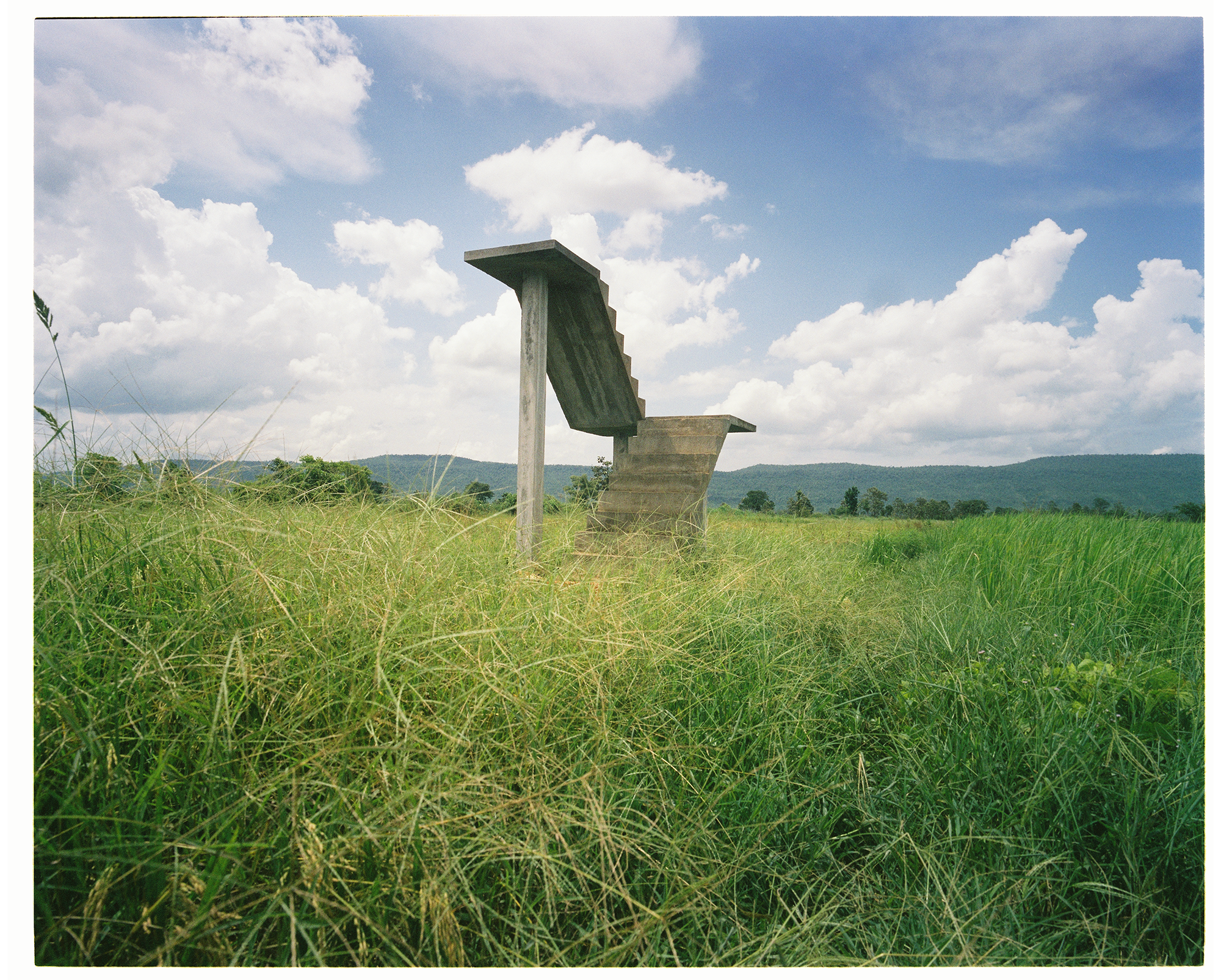
Kim Hak, Stairs of Resident’s House in Phnom Thngai, Krokor District, Pursat Province, 2020 Photograph on Hahnemuhle Fine Art Baryta Satin 300gsm Paper 70x87.3cm.
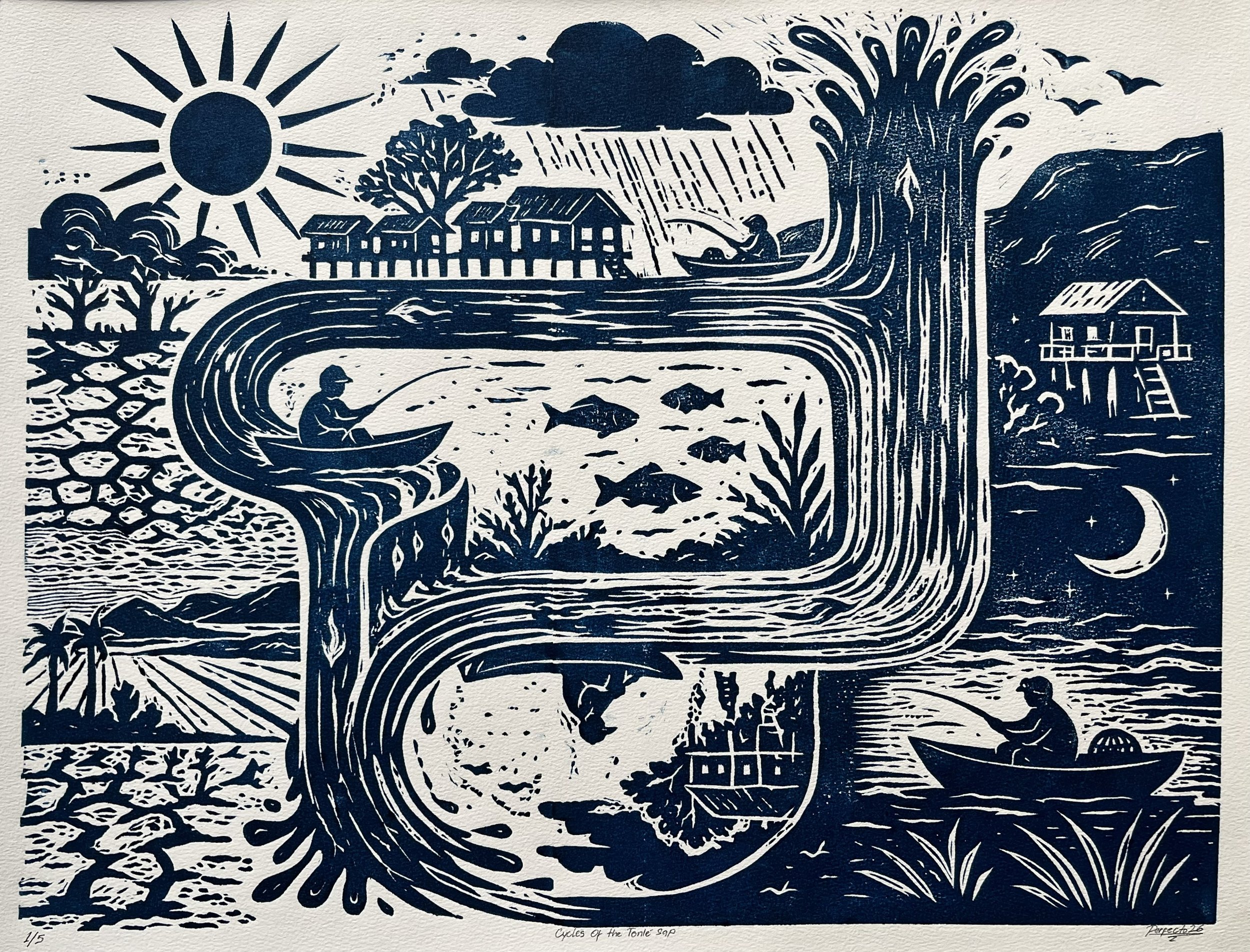
Toto Educk,
Cycles of the Tonlé Sap, 2026
Linocut Print
46x59.5cm.
Cycles of the Tonlé Sap reflects the cyclical rhythms of the Tonlé Sap, where water expands, recedes, and reverses direction with the changing seasons. In the work, water flows upward and loops back onto itself, creating a landscape shaped by movement, repetition and return. Figures fishing within the current suggest a way of life deeply connected to these seasonal transformations. The piece reflects on how communities adapt alongside the water, carrying knowledge and tradition across generations. Though the landscape is constantly shifting, the cycle continues, returning again and again.
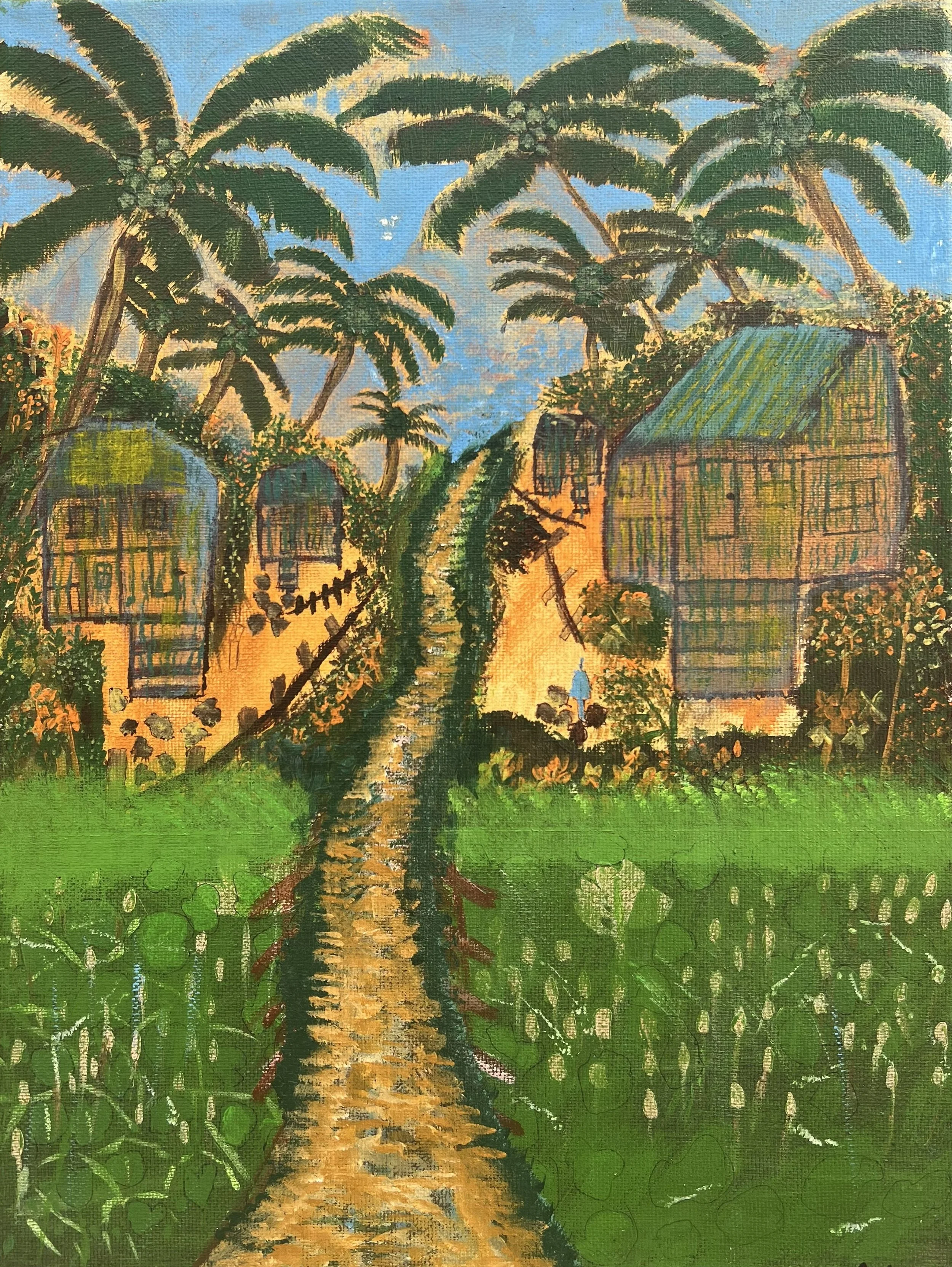
Seyha Chhean, Prey Veng at Sunset, 2026 Acrylic on Canvas 30x45cm.
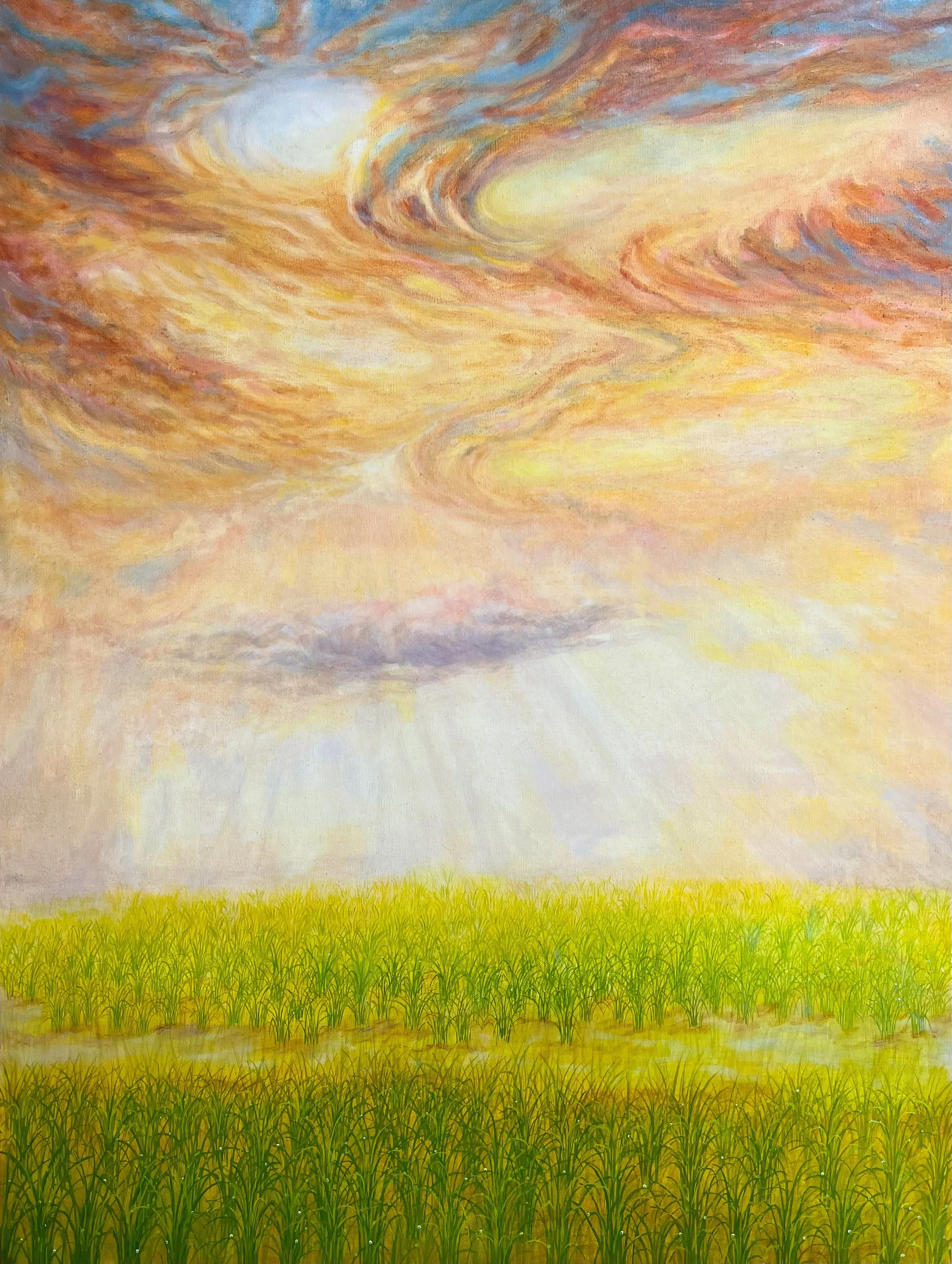
Loun Lon, Sun Flare, 2024 Oil on Canvas 60x80cm.
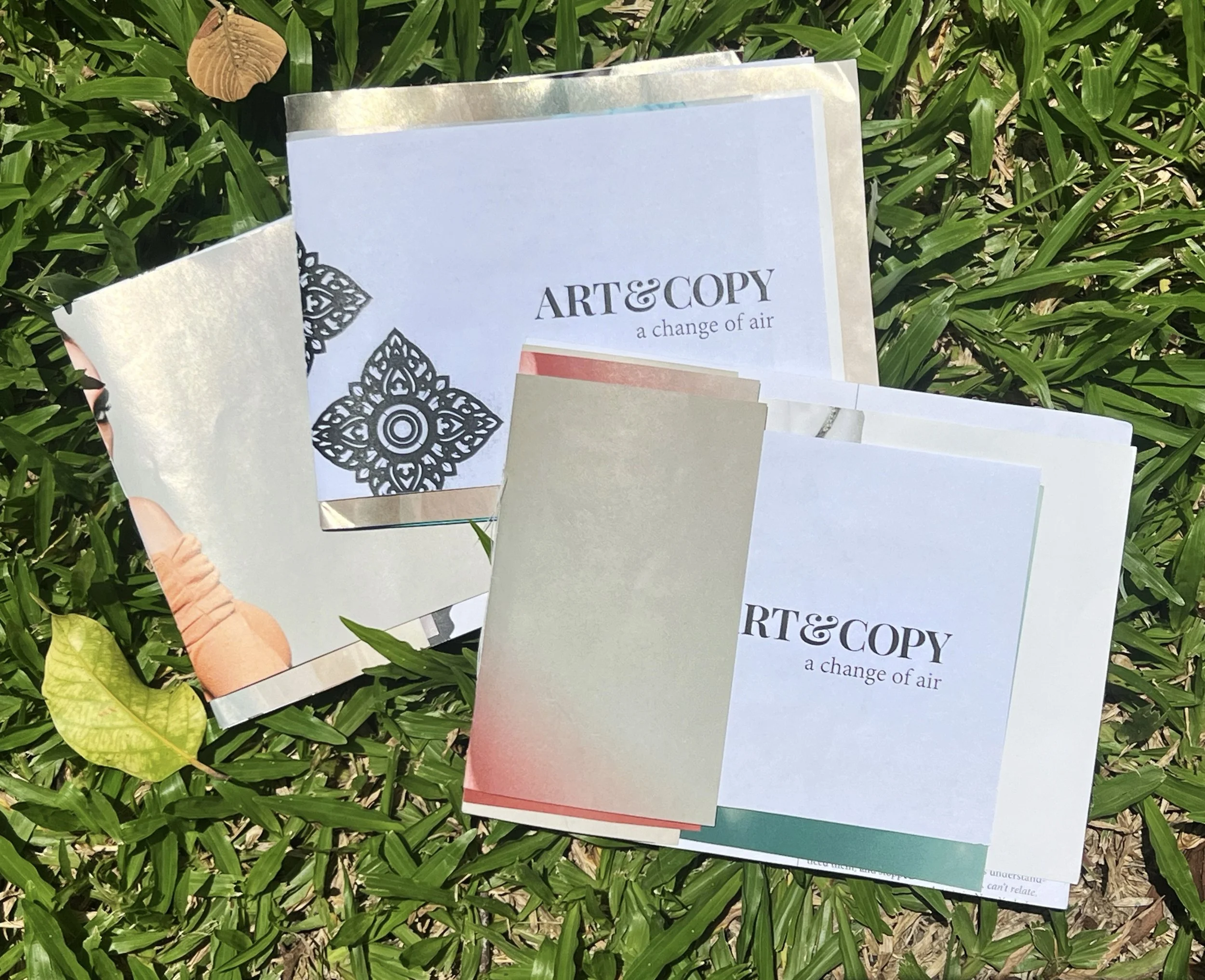
Dipika Kohli and Panharithykun Phat, Art and Copy, A Change of Air, 2026 Mixed Media and Original Text on Paper (Zine) 13x17cm.
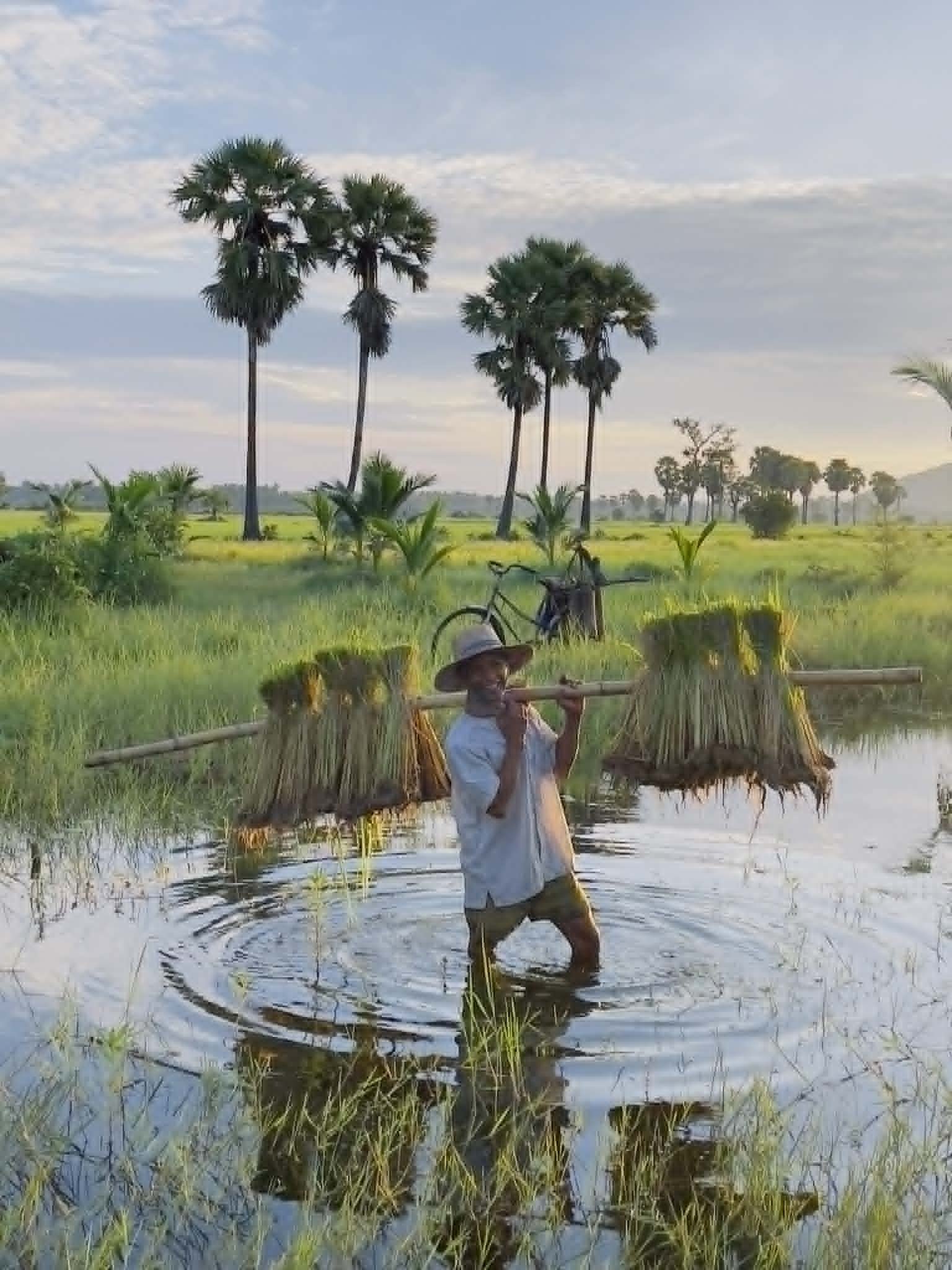
Jo Farrell, Preah Dak, Siem Reap, 2023 Photograph 83x135 cm.
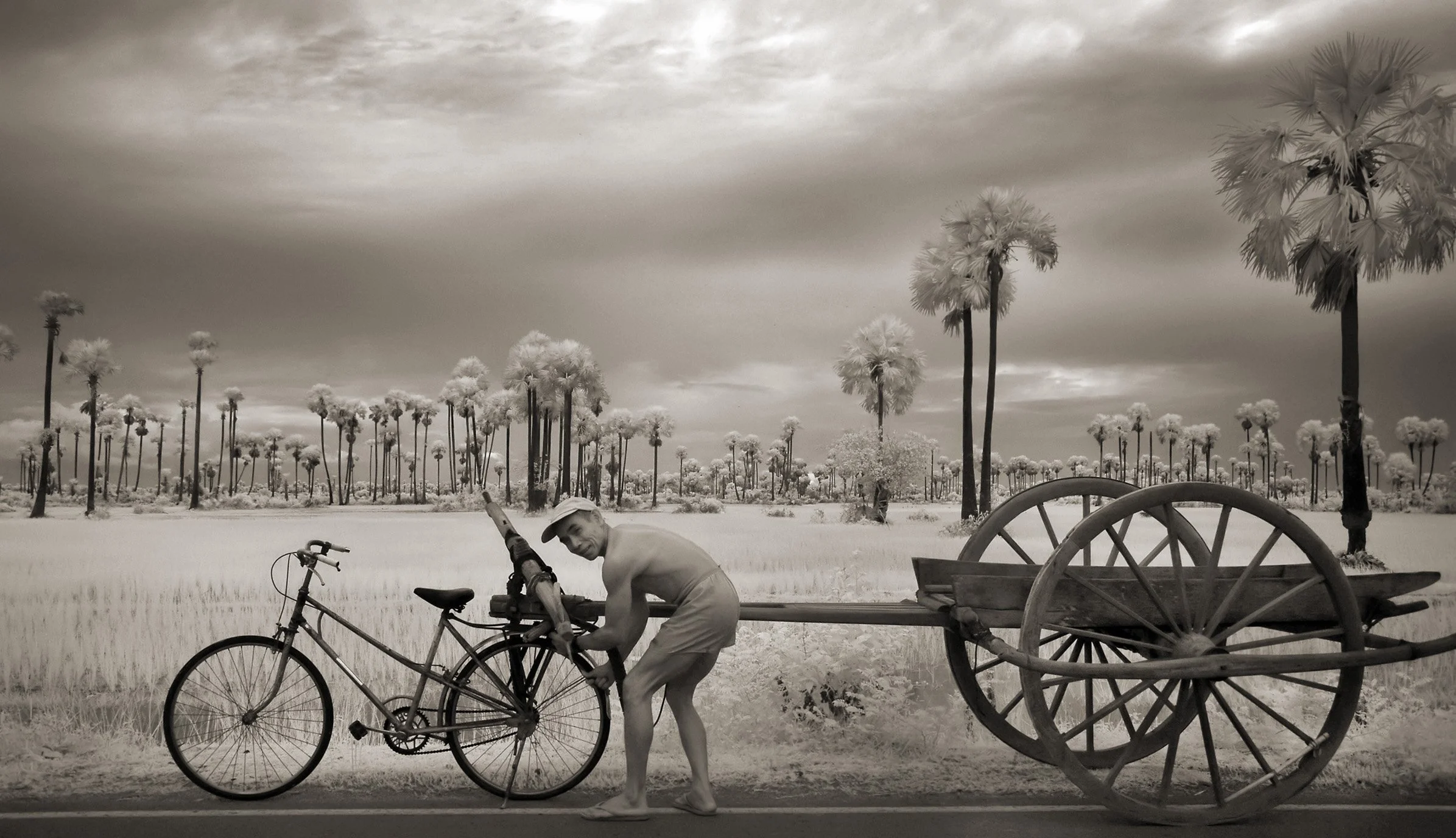
John McDermott, Bicycle Man - Siem Reap Province - Cambodia, 2012 Photograph (Edition #2) 22.86x40.64cm. (9x16in.)
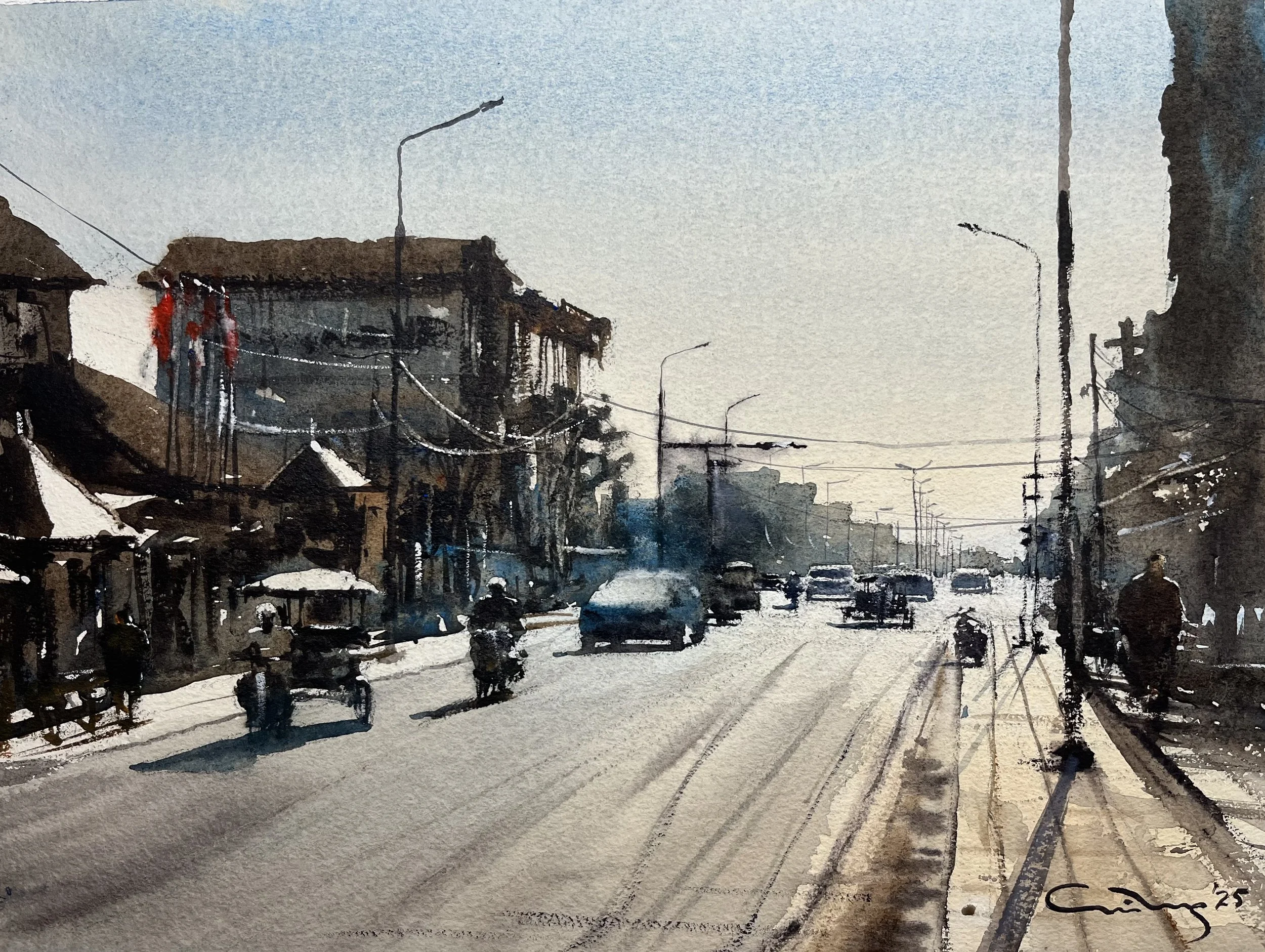
Art Foo, Morning Rush Hour, Siem Reap, 2025 Watercolor 30x40cm.
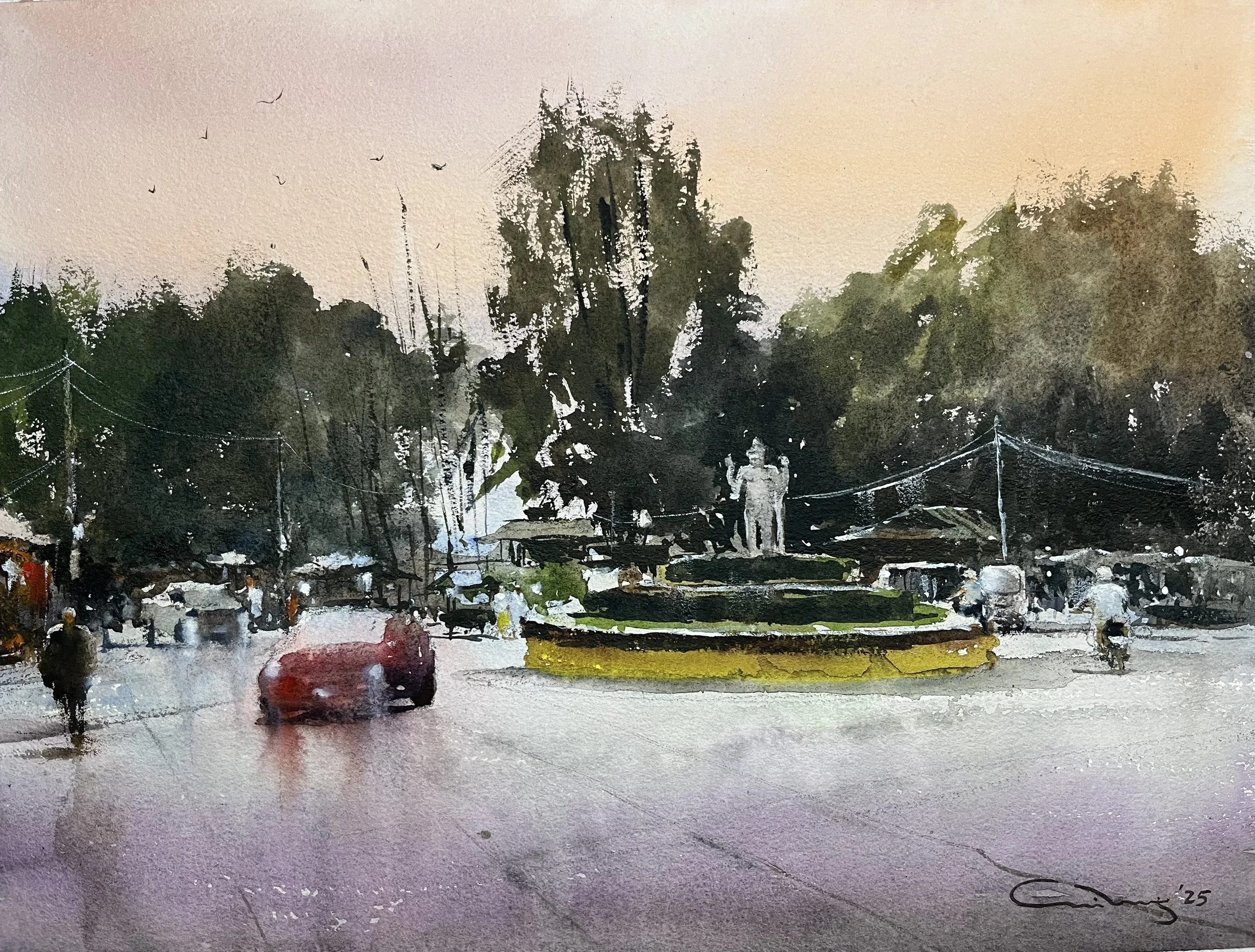
Art Foo, Vishnu Circle Siem Reap, 2025 Watercolor 30x40cm.
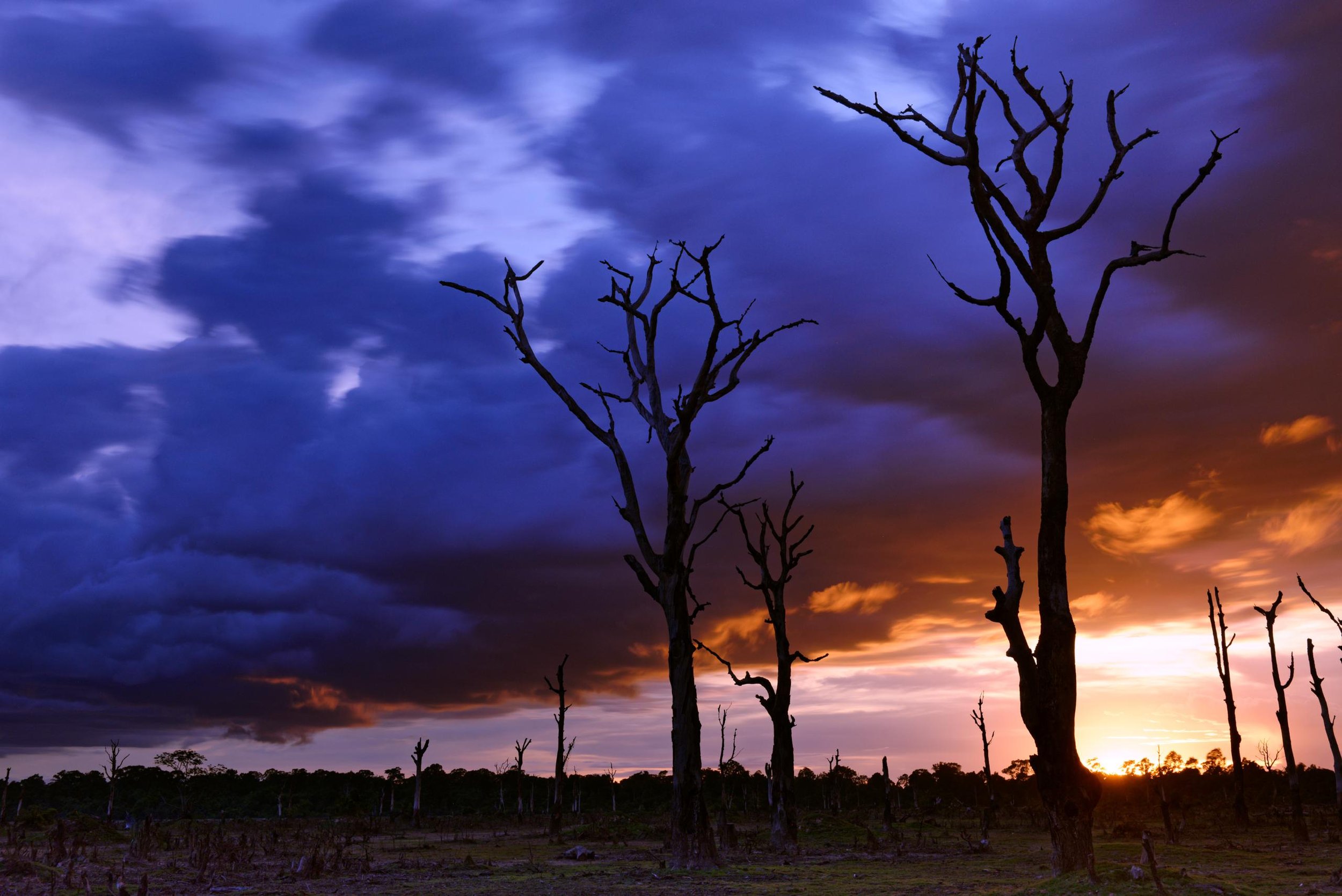
Manuth Chek, Sunset, 2020 Photograph (Nikon D610) 29.7x42cm.
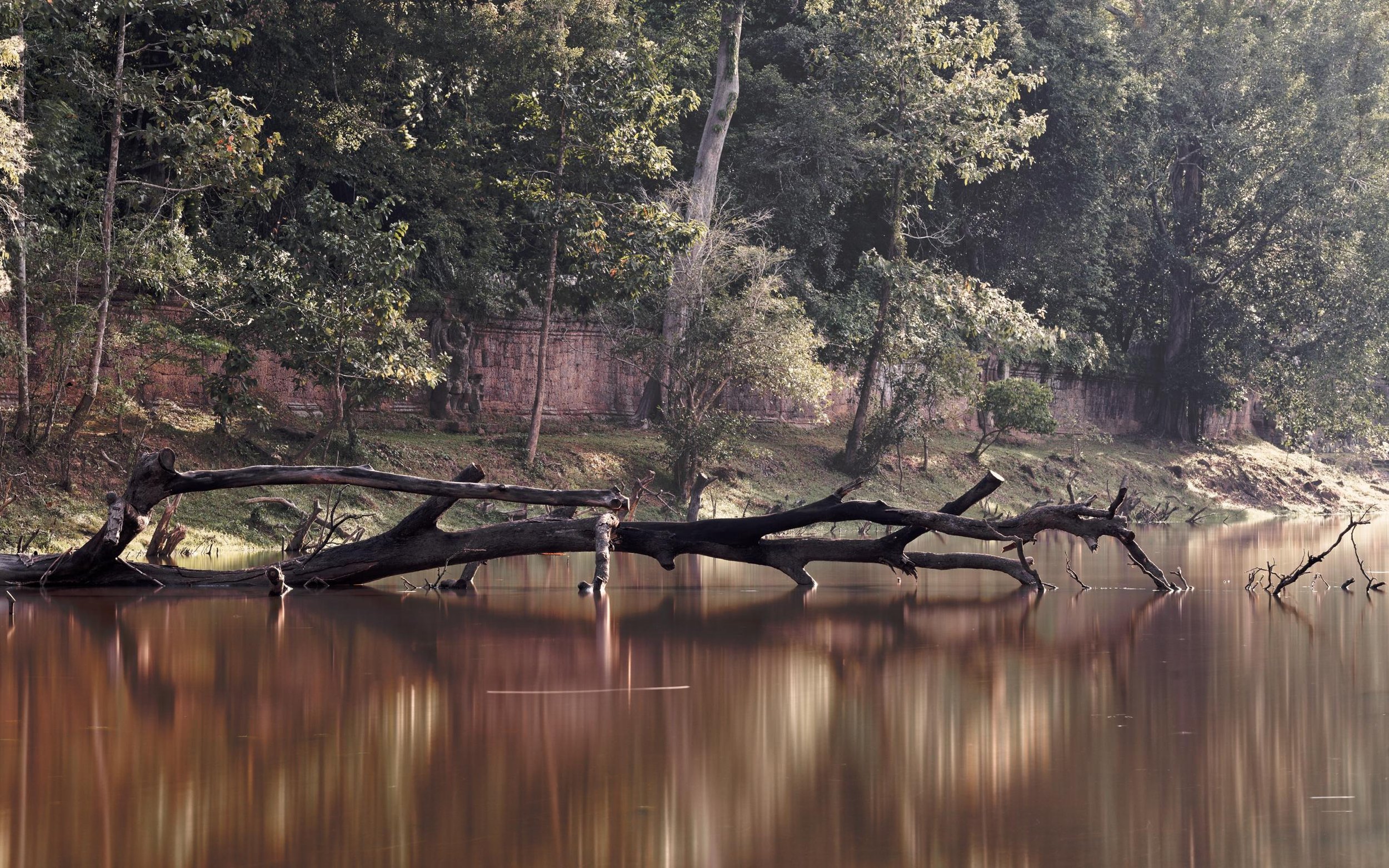
Manuth Chek, Tree in Water, 2019 Photograph (Nikon D610) 29.7x42cm.
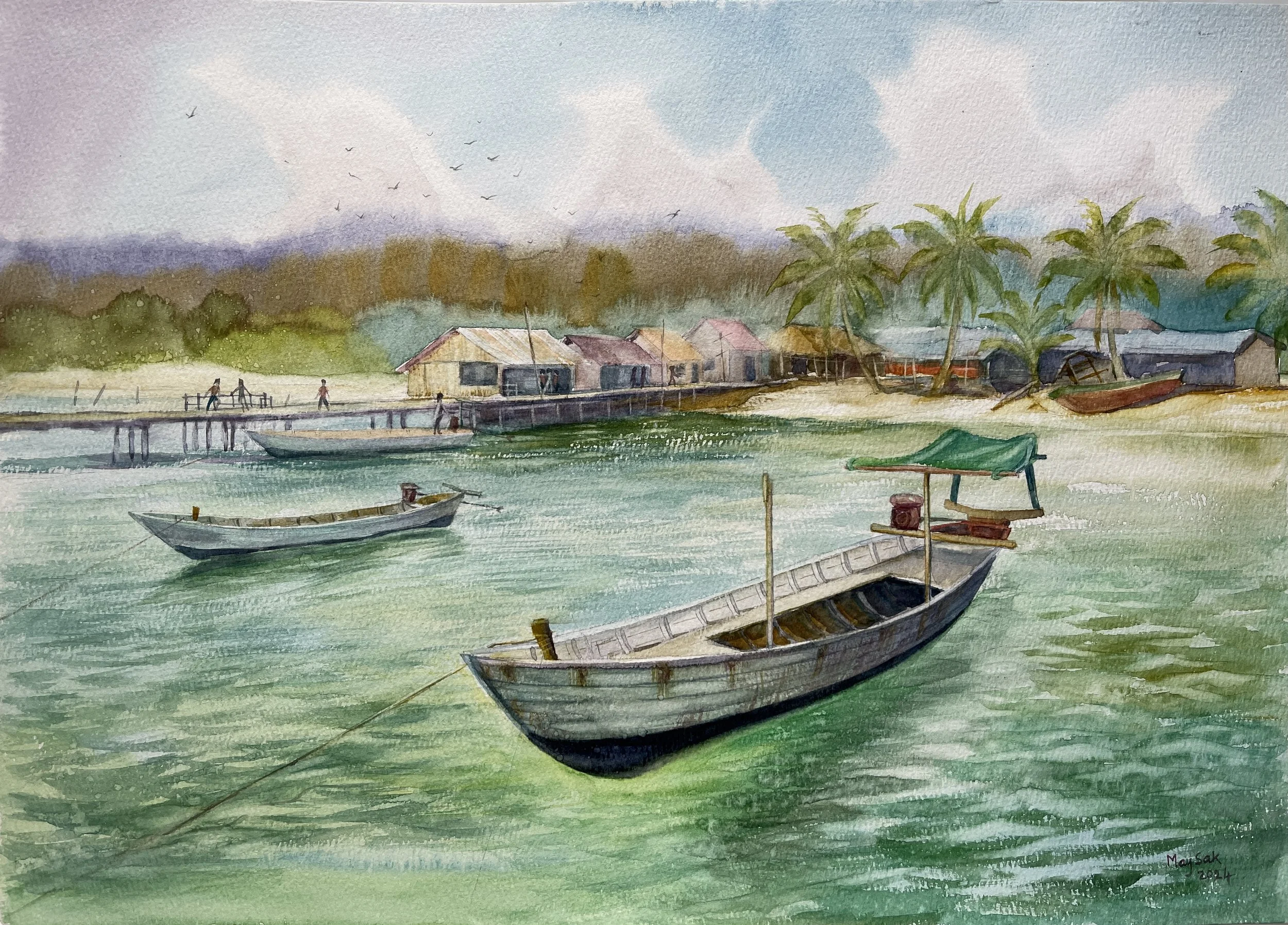
May Sak, Holiday, 2024 Watercolor on Paper 28.5x40.5cm.
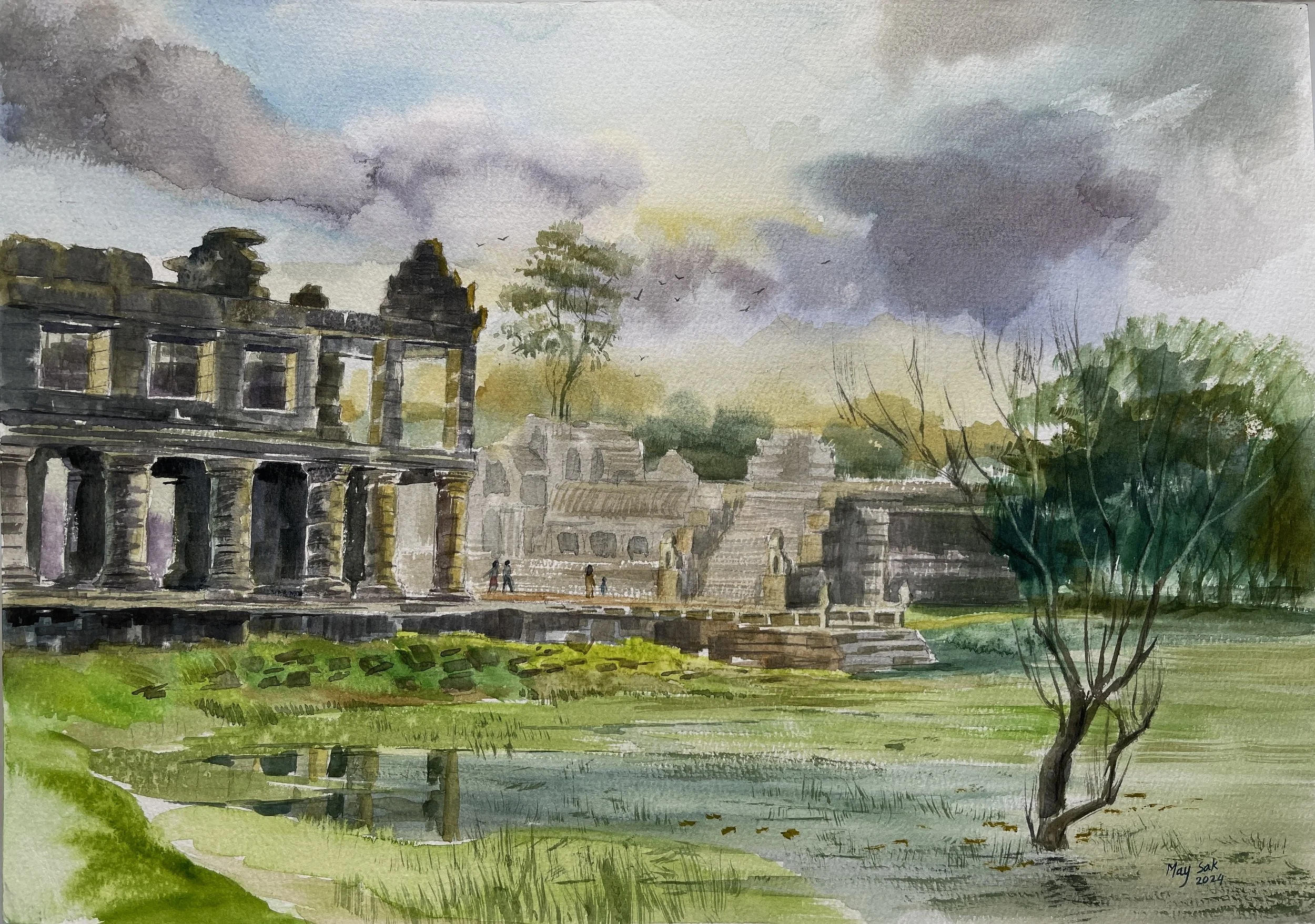
May Sak, Preah Khan Temple, 2024 Watercolor on Paper 28.5x40.5cm.
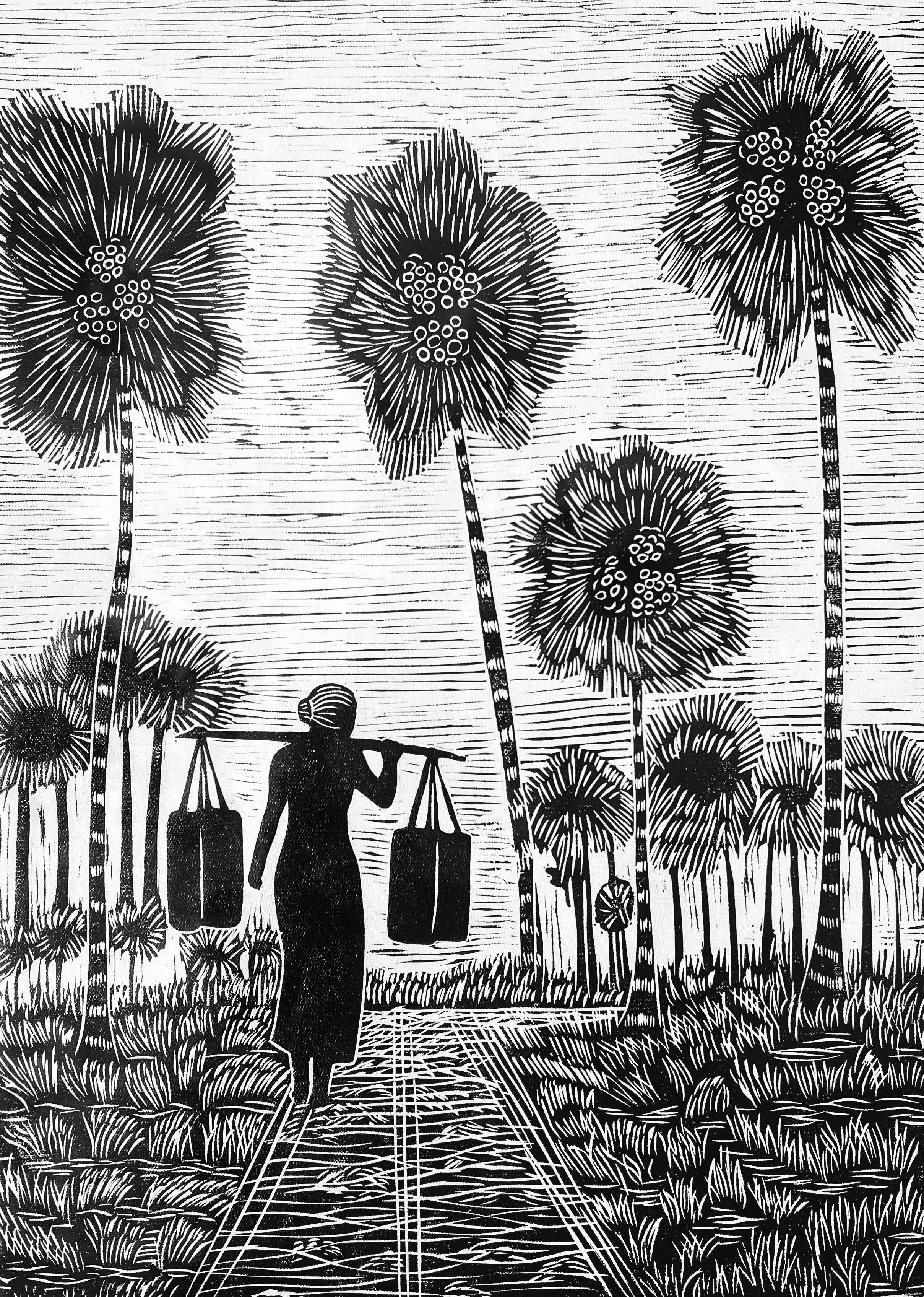
Morn Chear, Smiles Beneath the Palm Trees, 2026 Lino Print 41x58cm.
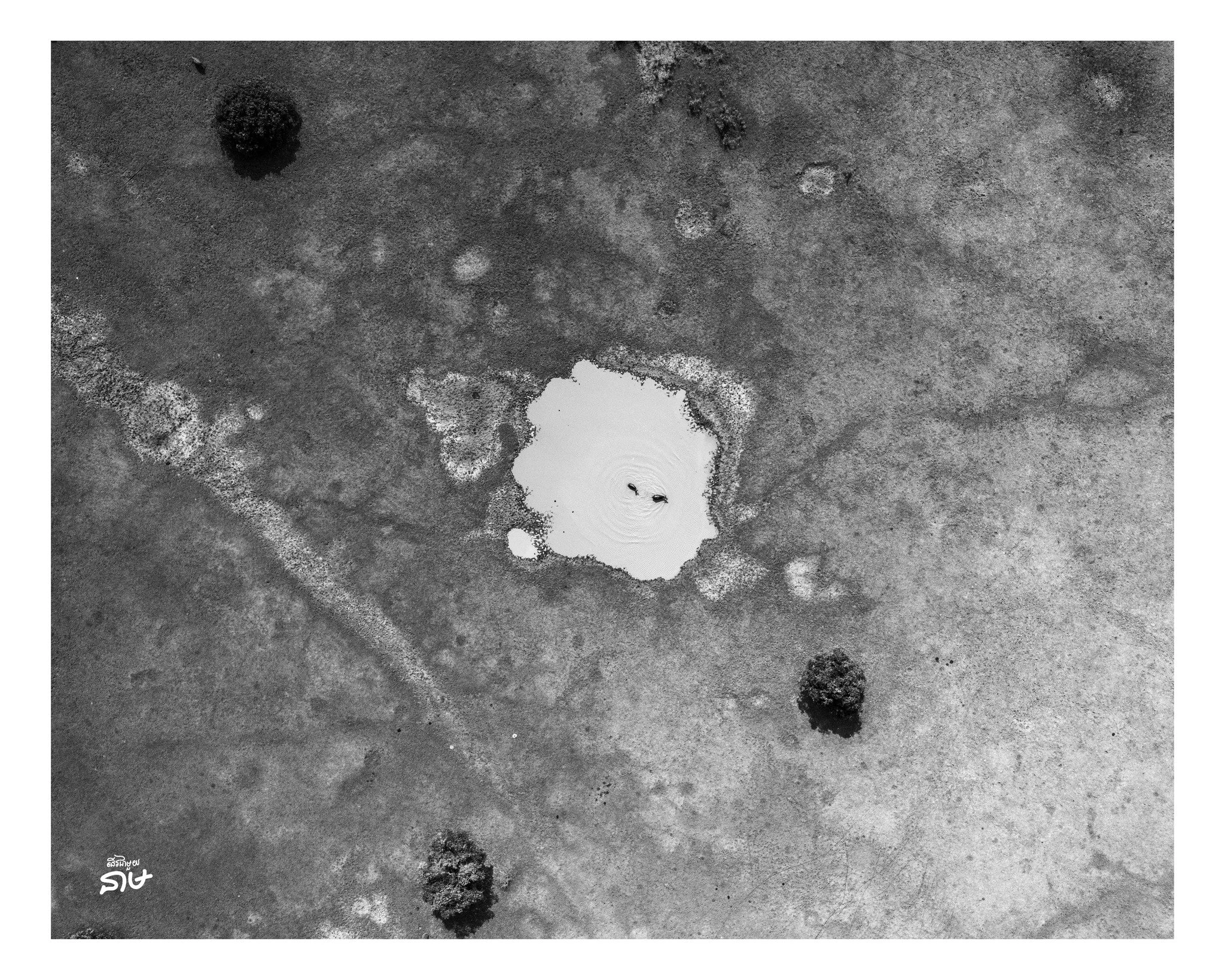
Bunneam Moy, Buffalos Bathing in the Pond Under the Hot Day, 2026 Photograph 40x40cm.
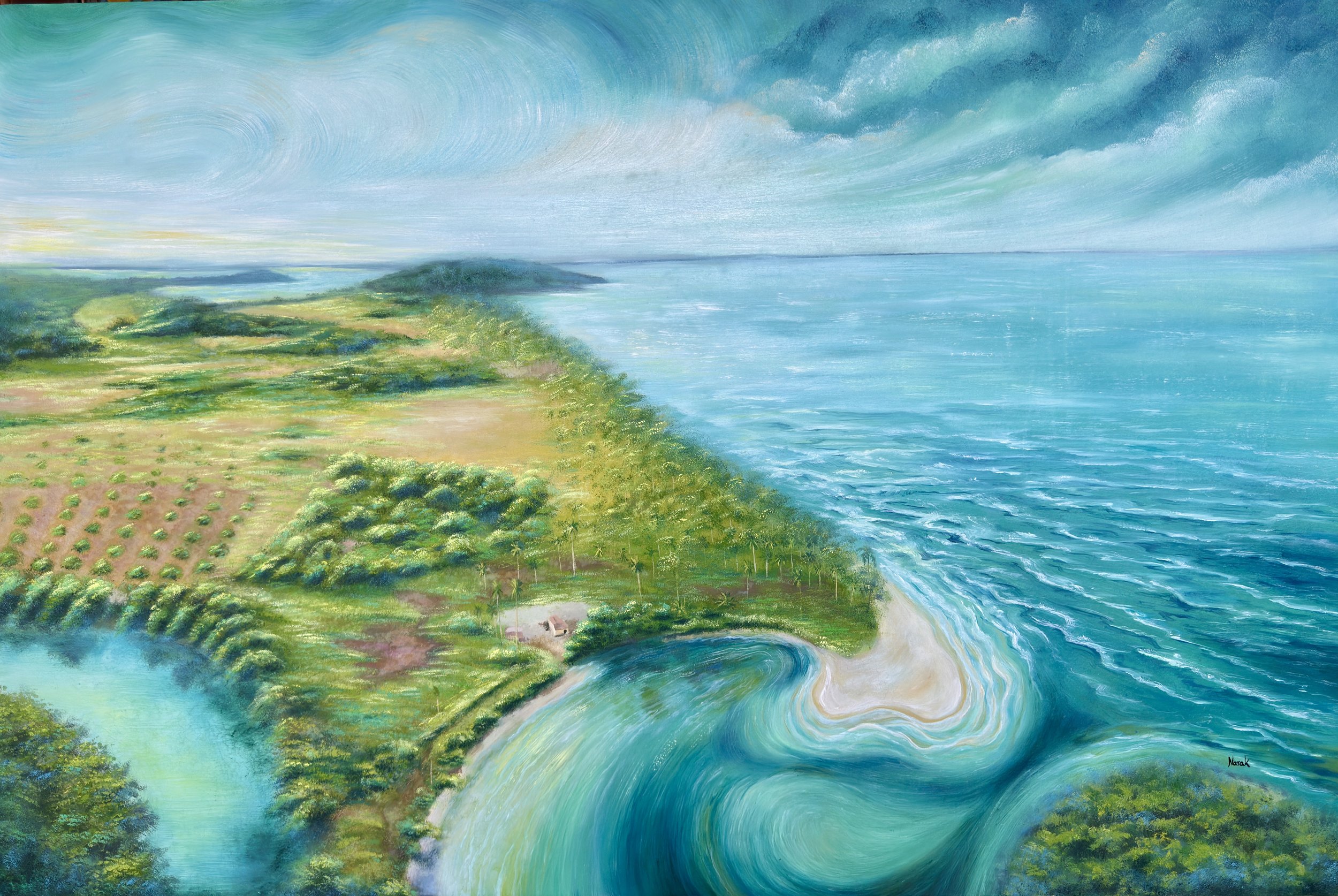
Thy Channarak, Koh Kong Krav, 2023 Oil on Canvas 80x120cm.
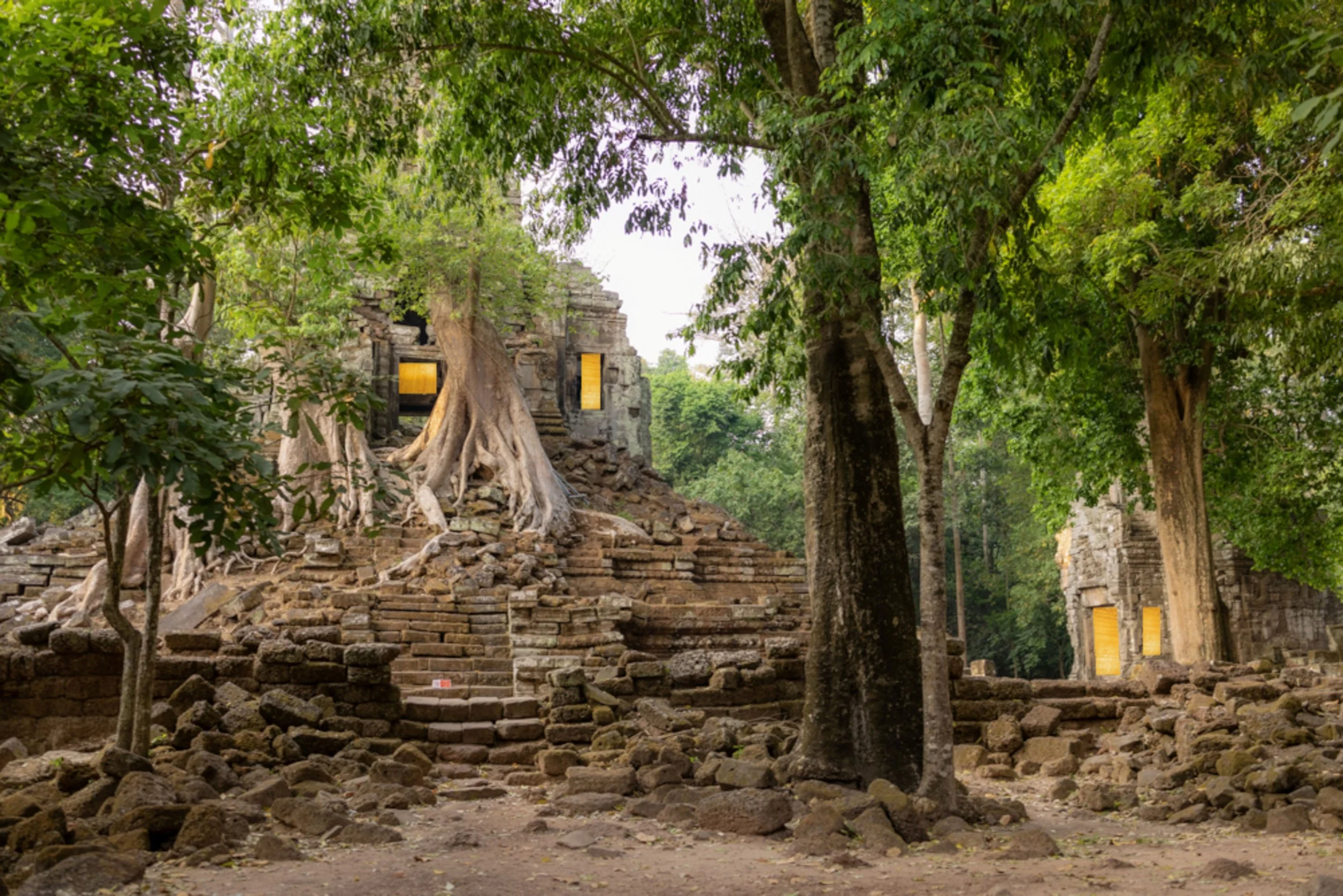
Choulay Mech,
Preah Palilay Temple, 2026
Manipulated Photograph
60x90cm.
The golden silk is more than fabric; it is the embodiment of beauty, resilience and the pure heart of mothers, who’s patience and devotion give it strength - like the timeless temples of Cambodia.
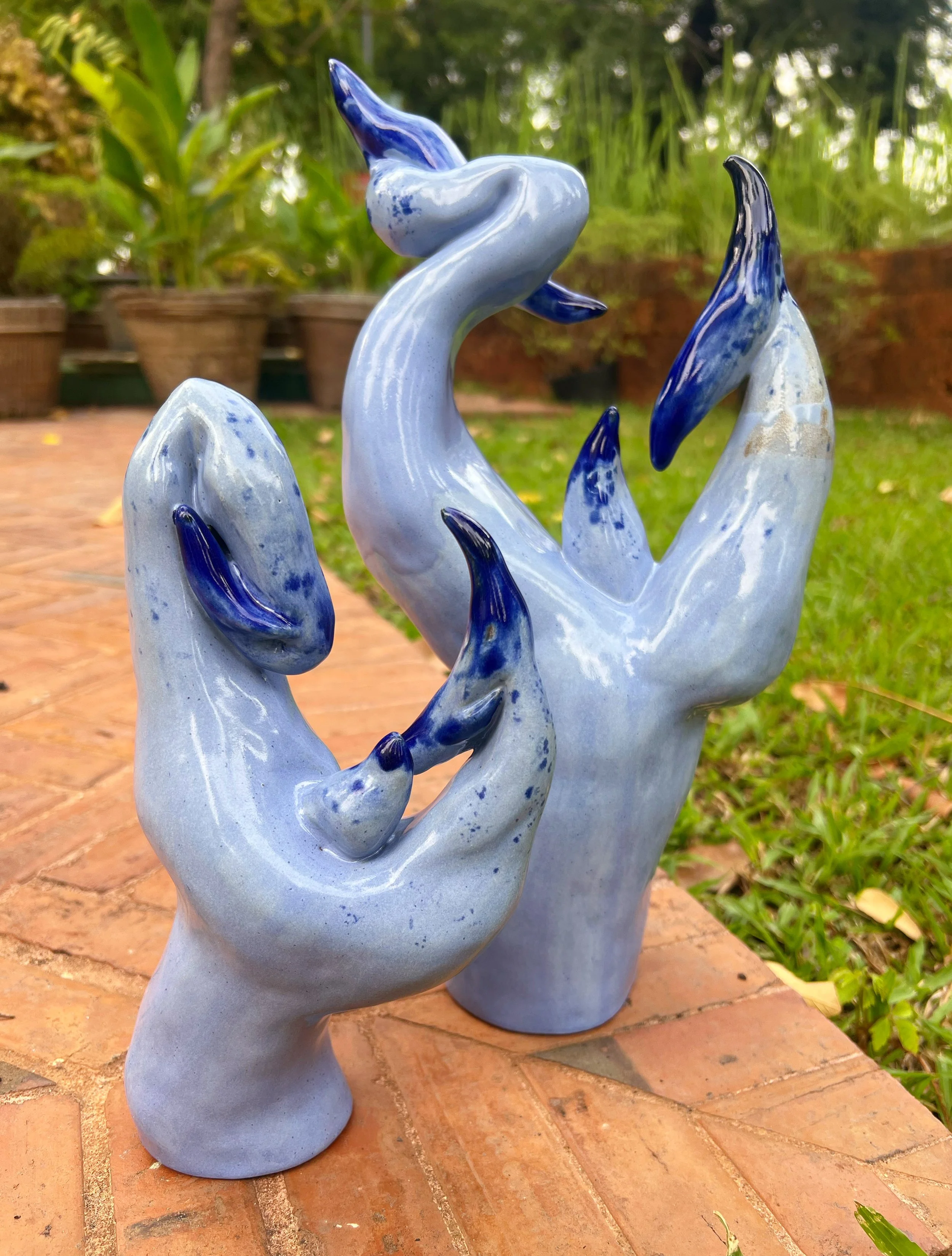
Karona Hoeuy, Opened Layers, 2026 Handmade Ceramic 12x6x23cm. (Small) 7x16x34cm. (Large)
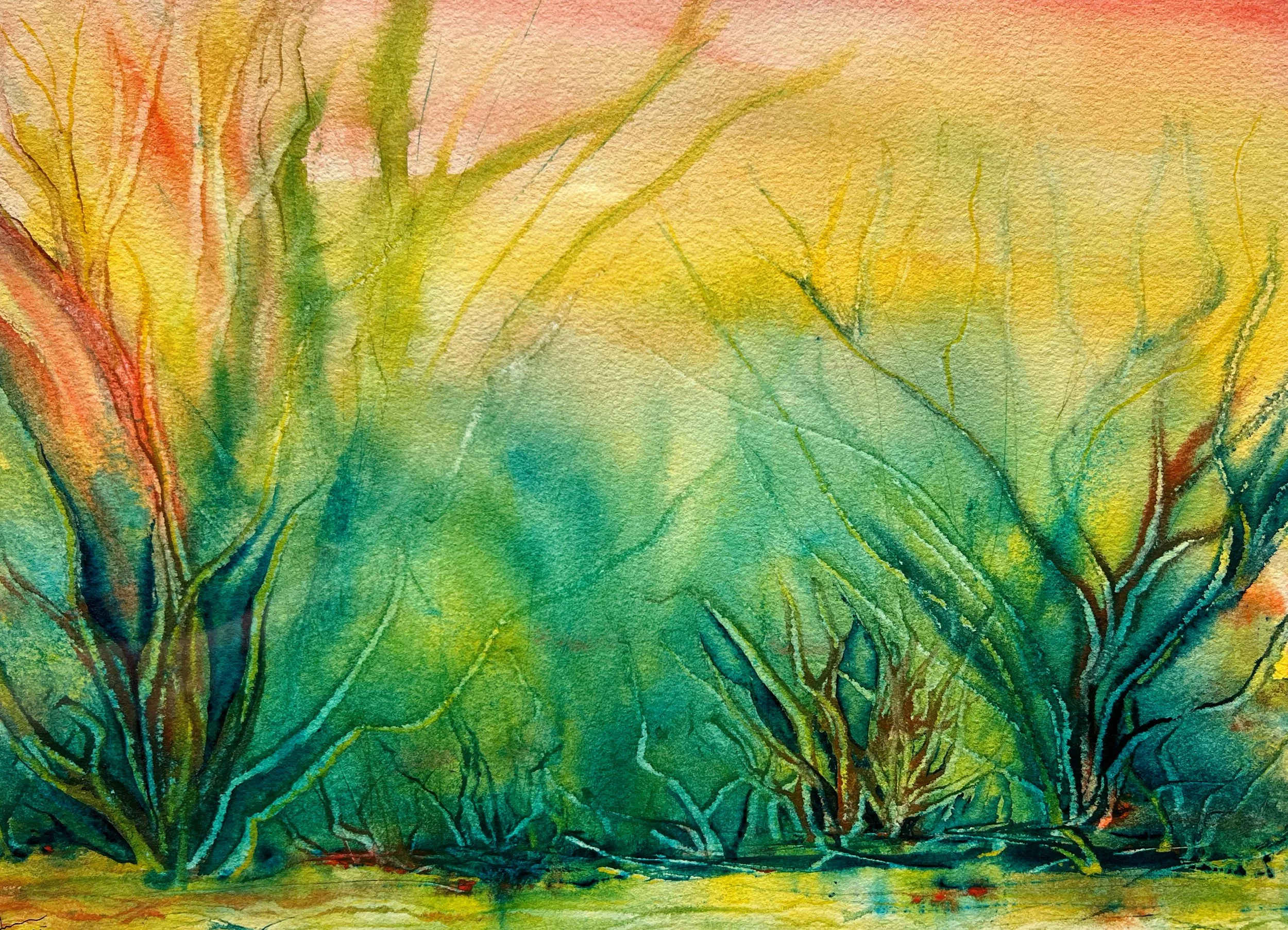
Pari Gilmour, First Breath of Rain, 2025 Watercolor on Baohong Cold Pressed Paper, 300gsm. 39x48cm.
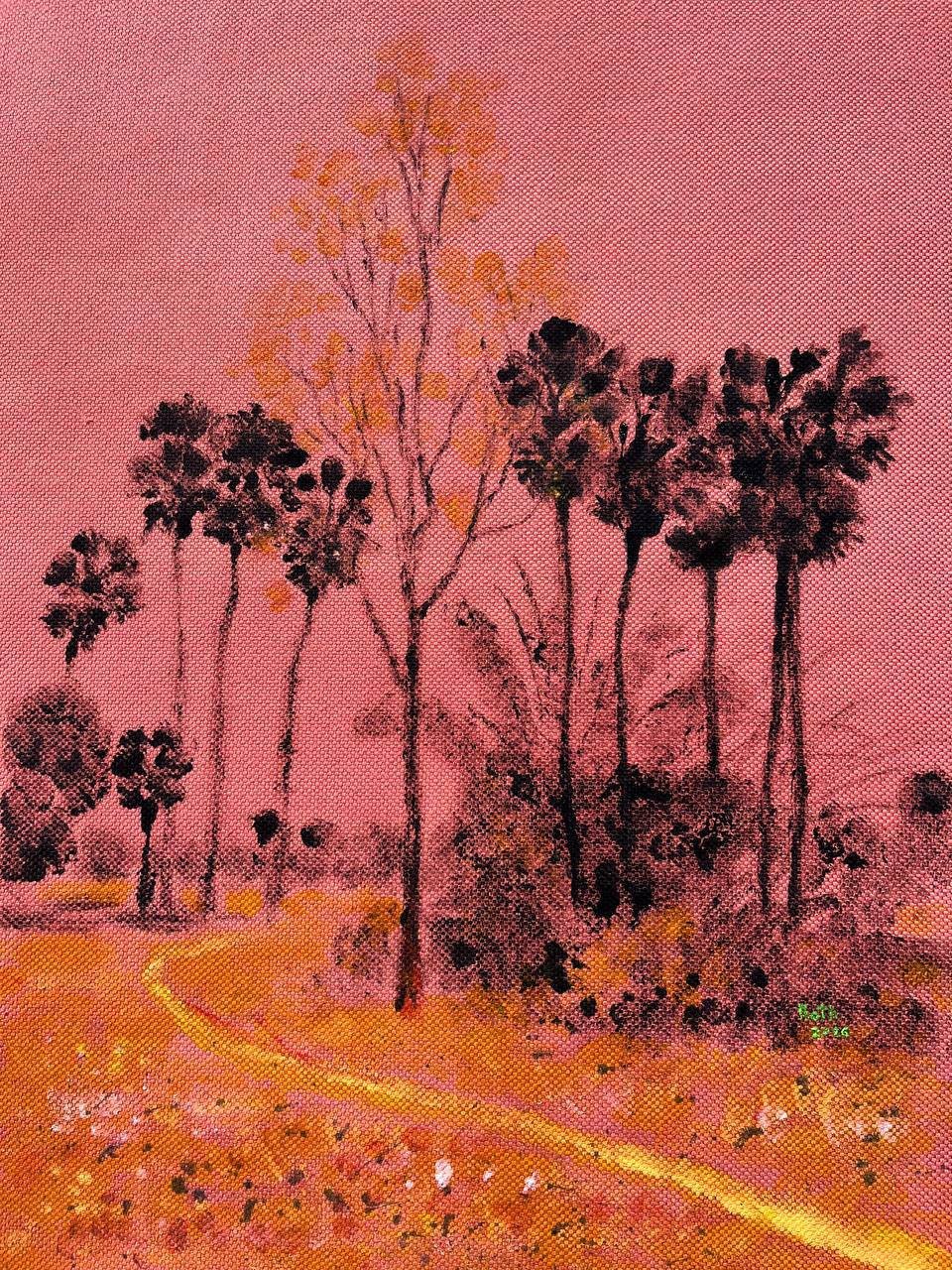
Sereyroth Chea, ត្នោត Palm Tree, 2026 Acrylic on canvas 50x36cm.
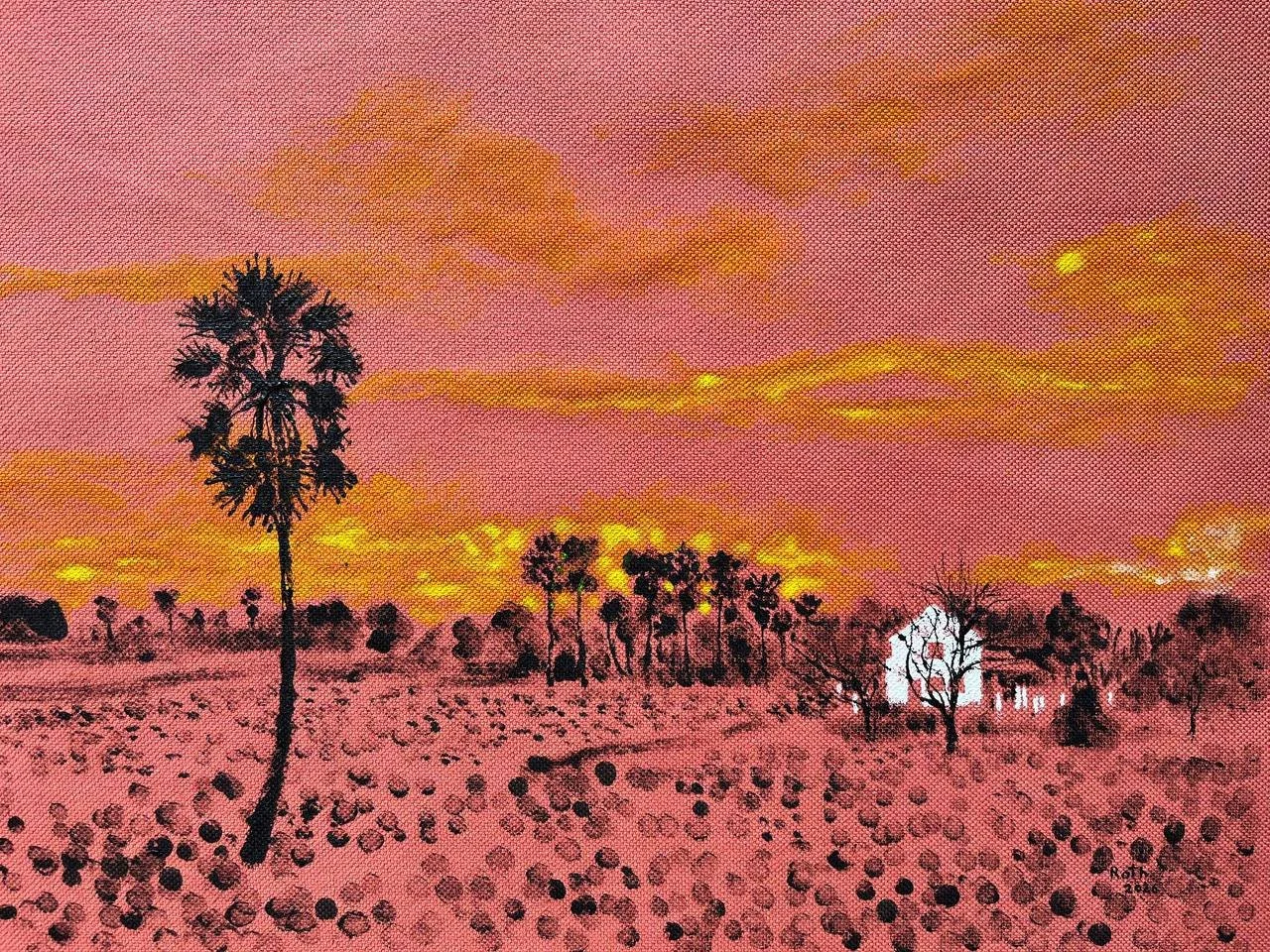
Sereyroth Chea, ផ្ទះស White House, 2026 Acrylic on canvas 40x55cm.
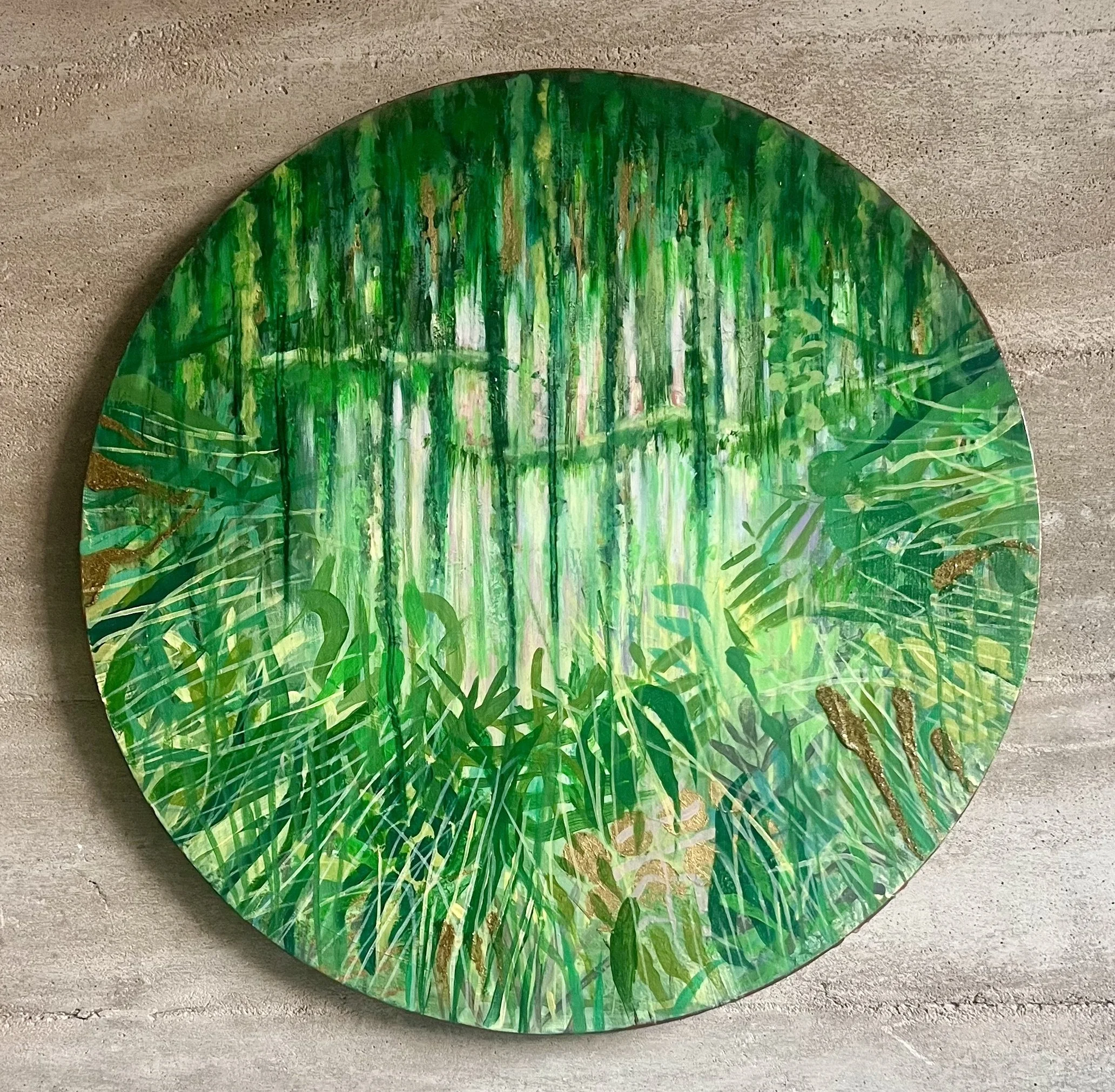
Rhys Franklin, Clearing, 2026 Acrylic on Canvas 60x60cm.
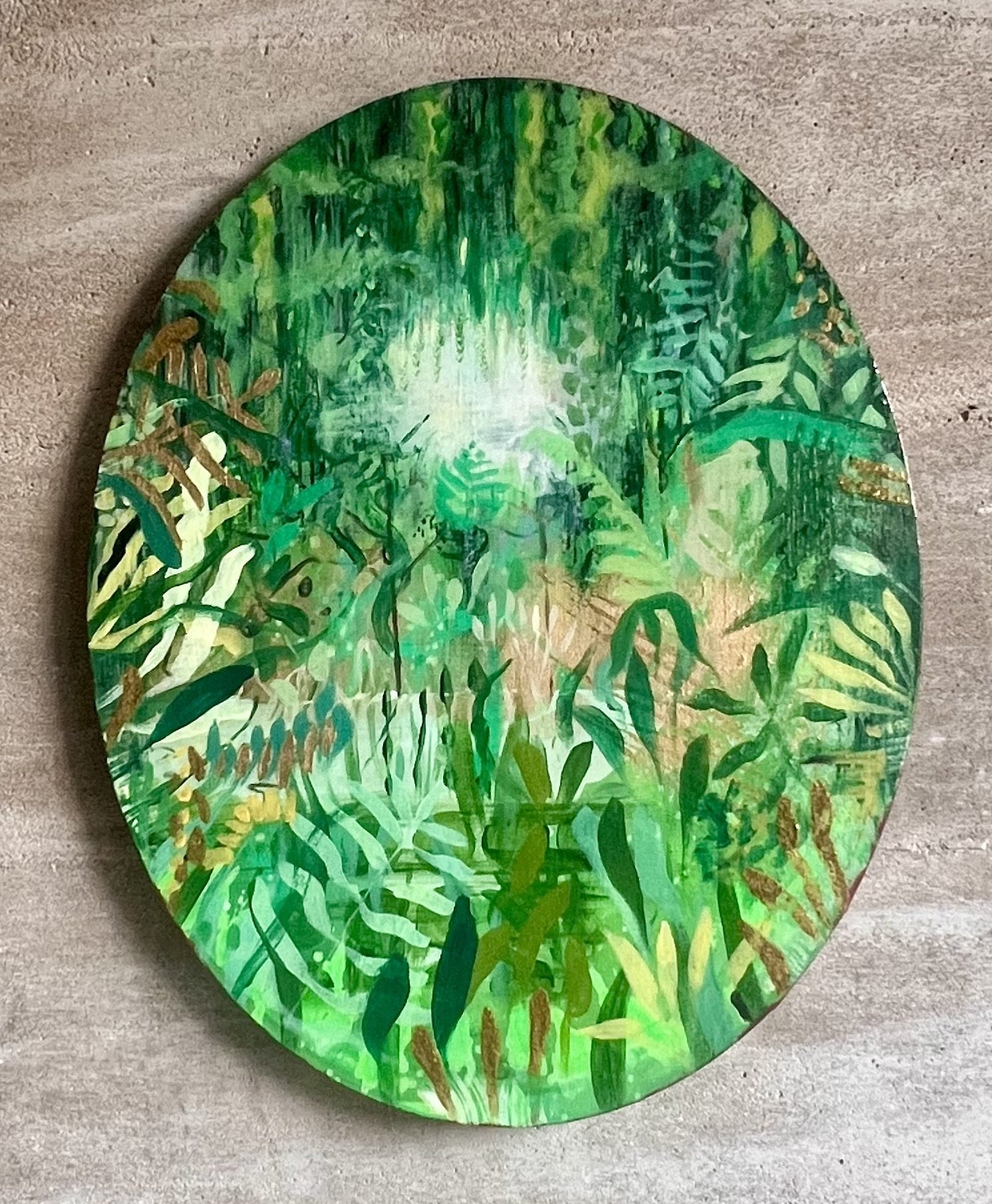
Rhys Franklin, Passage, 2026 Acrylic on Canvas 50x40cm.
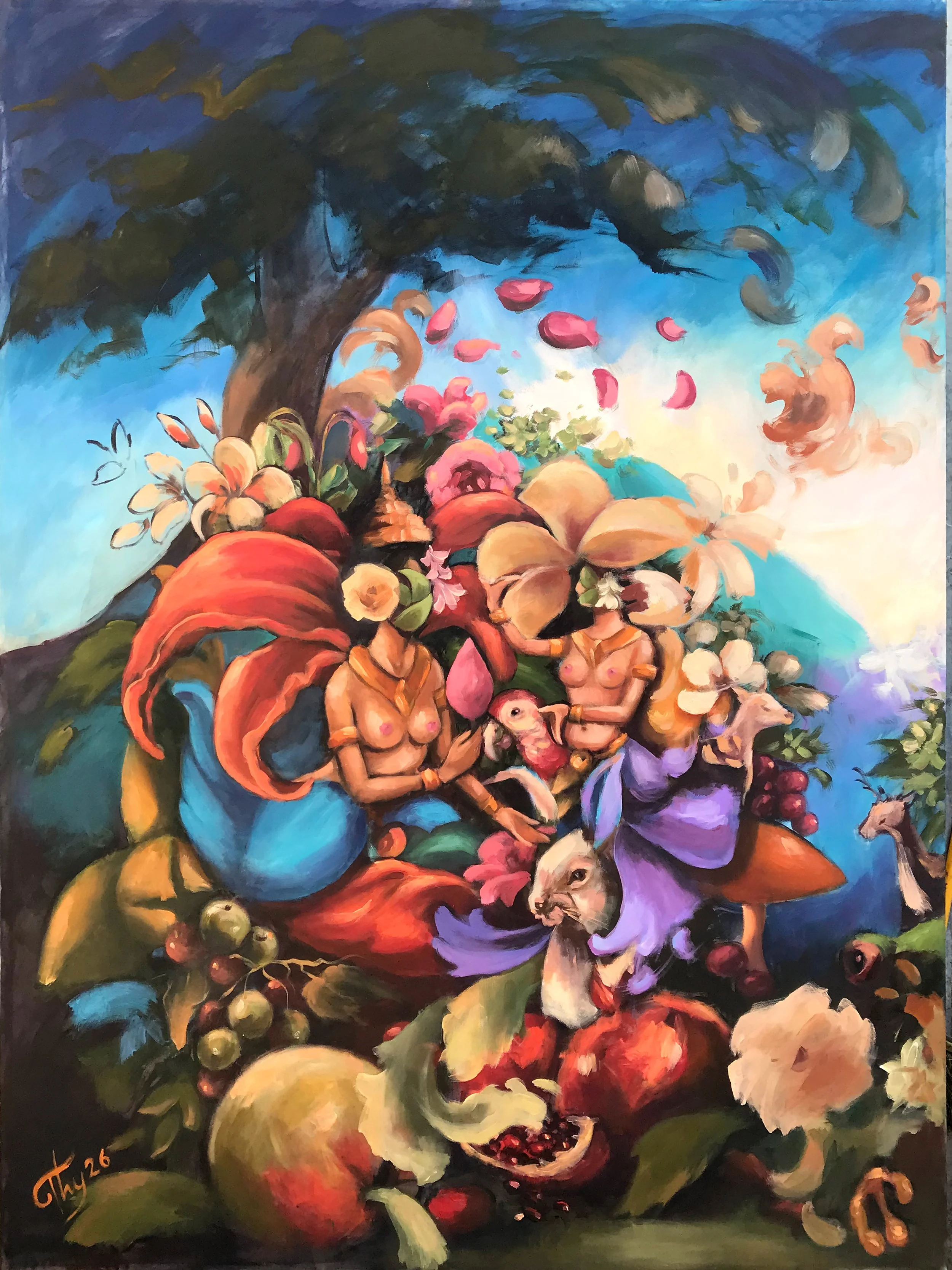
Rithy Heng, Kannari in Spring, 2026 Acrylic on Canvas 130x180cm.
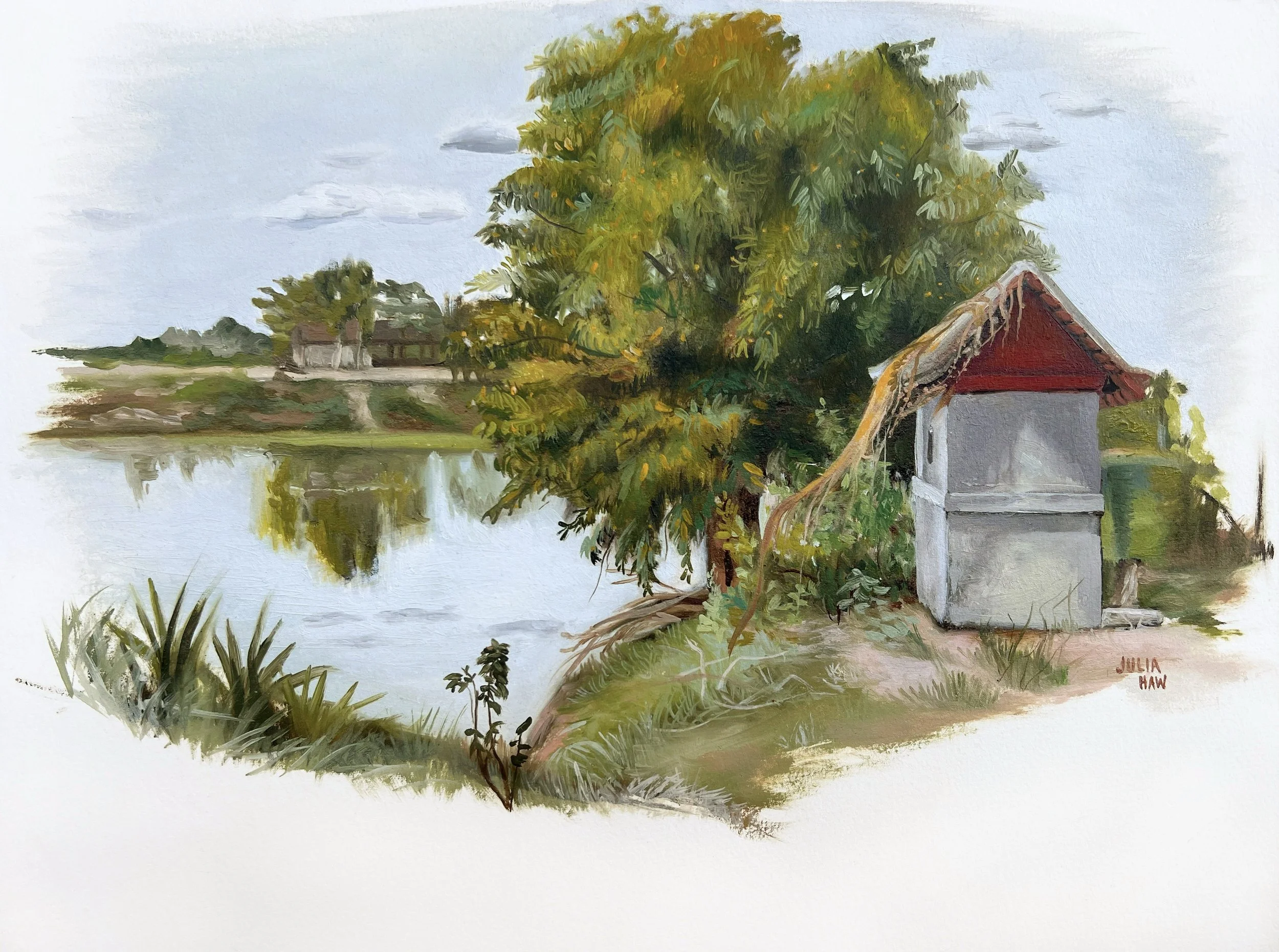
Julia Haw, Neak Ta House, 2025 Oil on Cotton Paper (painted plein air) 12x16in.
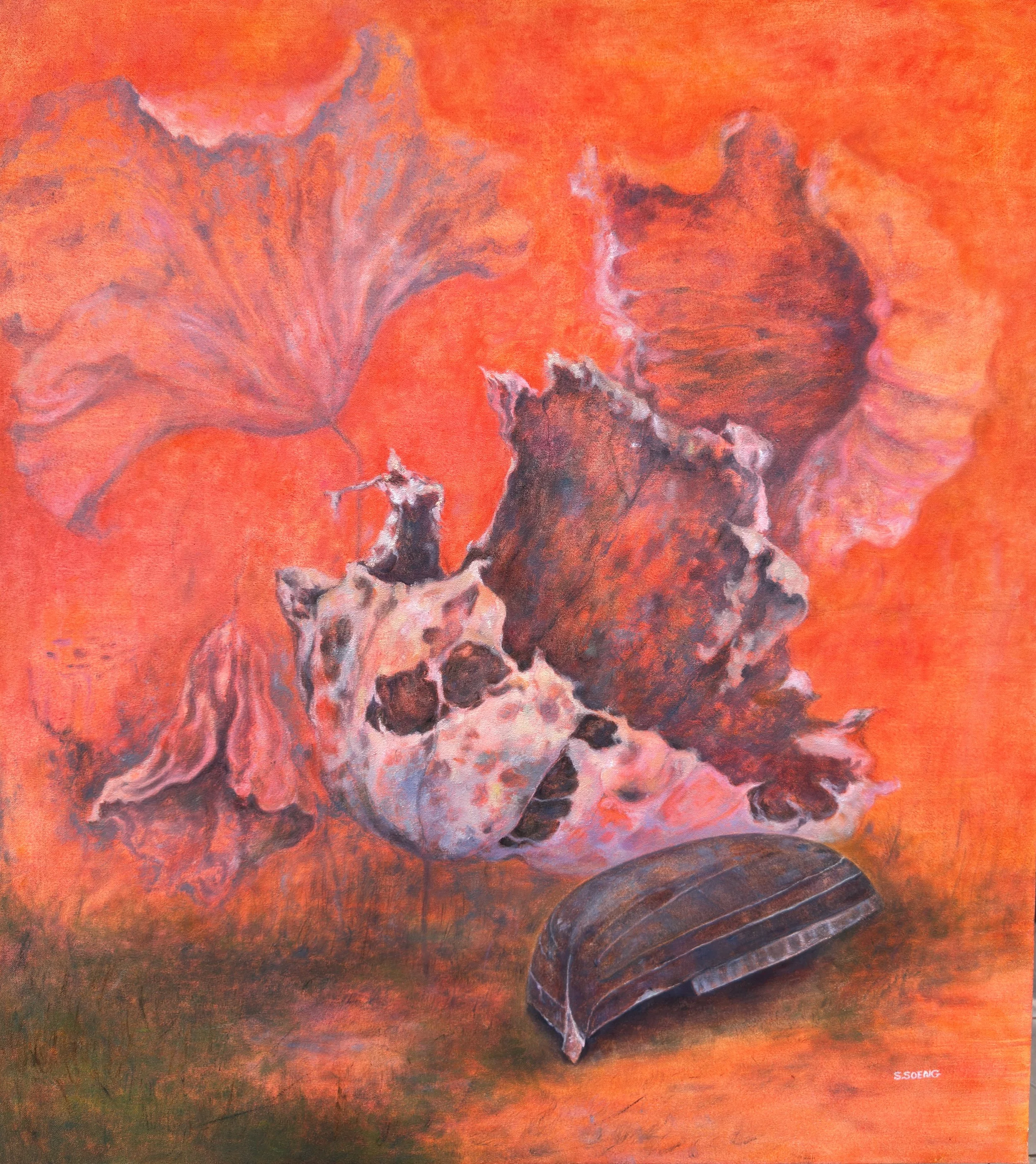
Set Soeng, Echoes of the Dry Lake, 2026 Oil on Canvas 80x90cm.
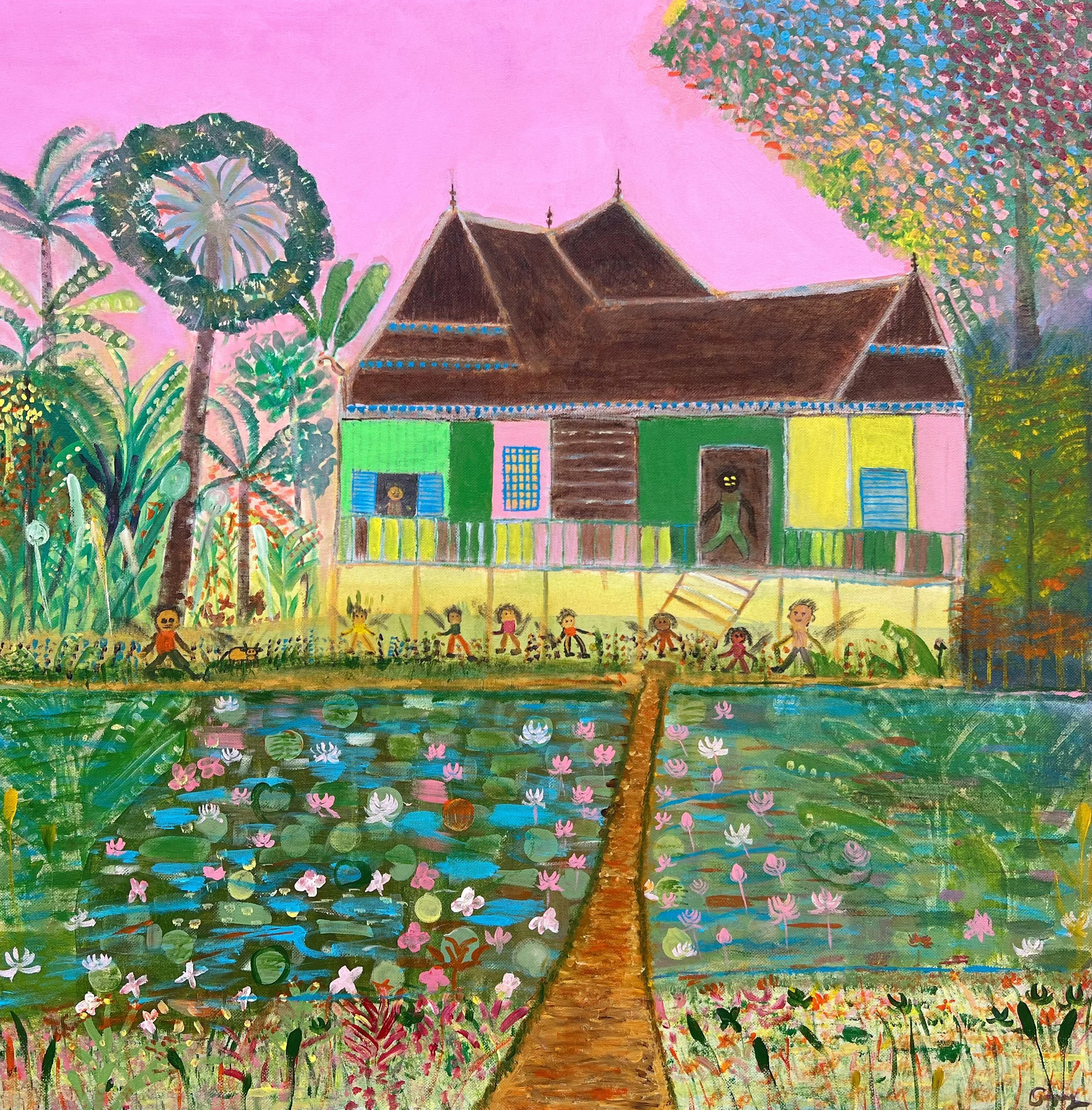
Seyha Chhean, The Pink Hour, Prey Veng, 2026, Acrylic on Canvas, 60x60cm.
This painting makes me think of nice memories from my time in my home town in Prey Veng. It brings good memories of the peaceful countryside, as I’ve been living in the city for some time now. The pink sky is one of my favorite times of evening when the sun is going down. The pairing brings back those relaxing and happy times, and makes me look forward to visiting again - making sure I never forget.
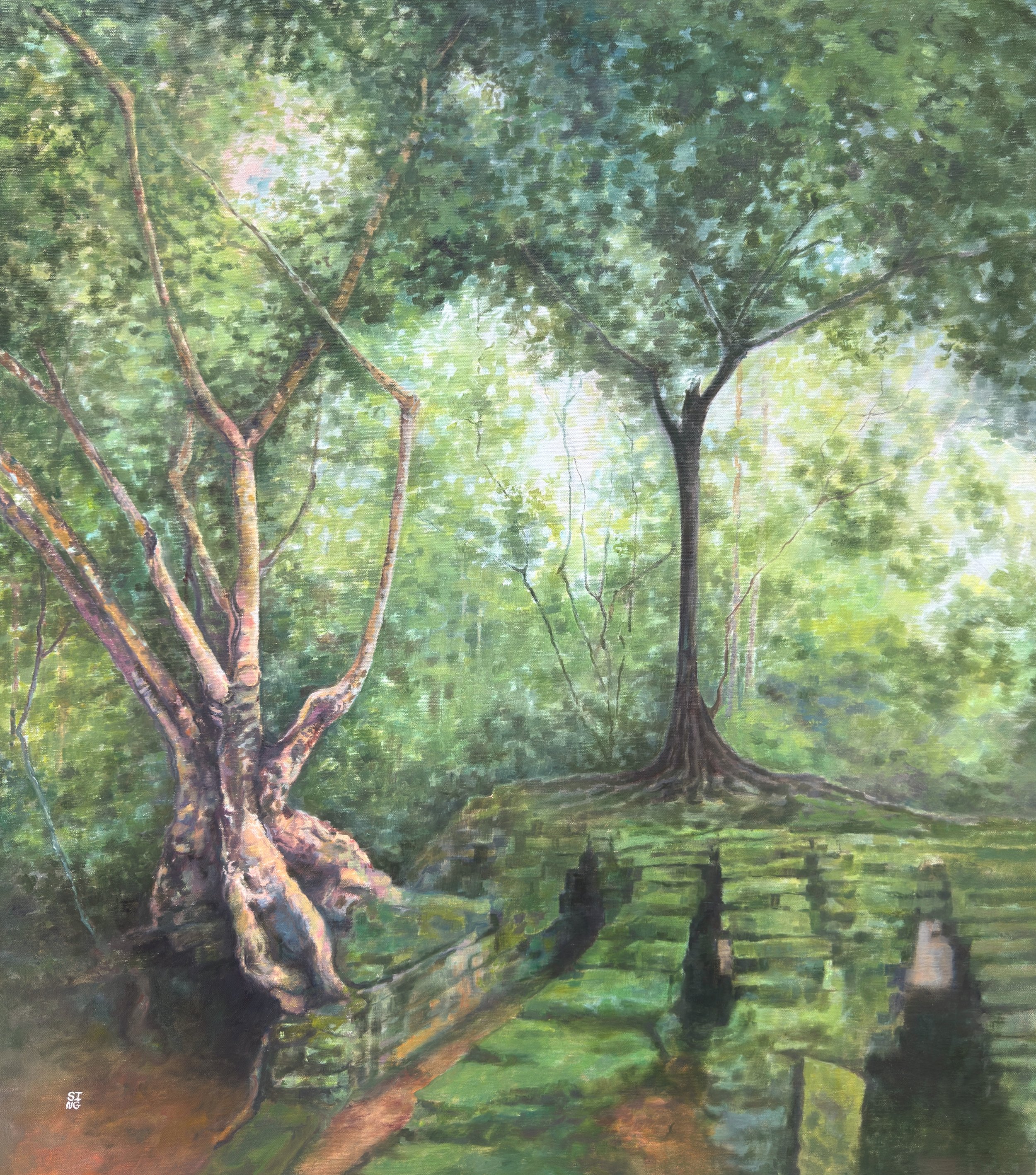
Set Soeng, Spean Thma Bridge, 2026 Oil on Canvas 80x90cm.

Sophany Sor, Only in Darkness Do We See the Light, 2026 Oil on Canvas 100x90cm.
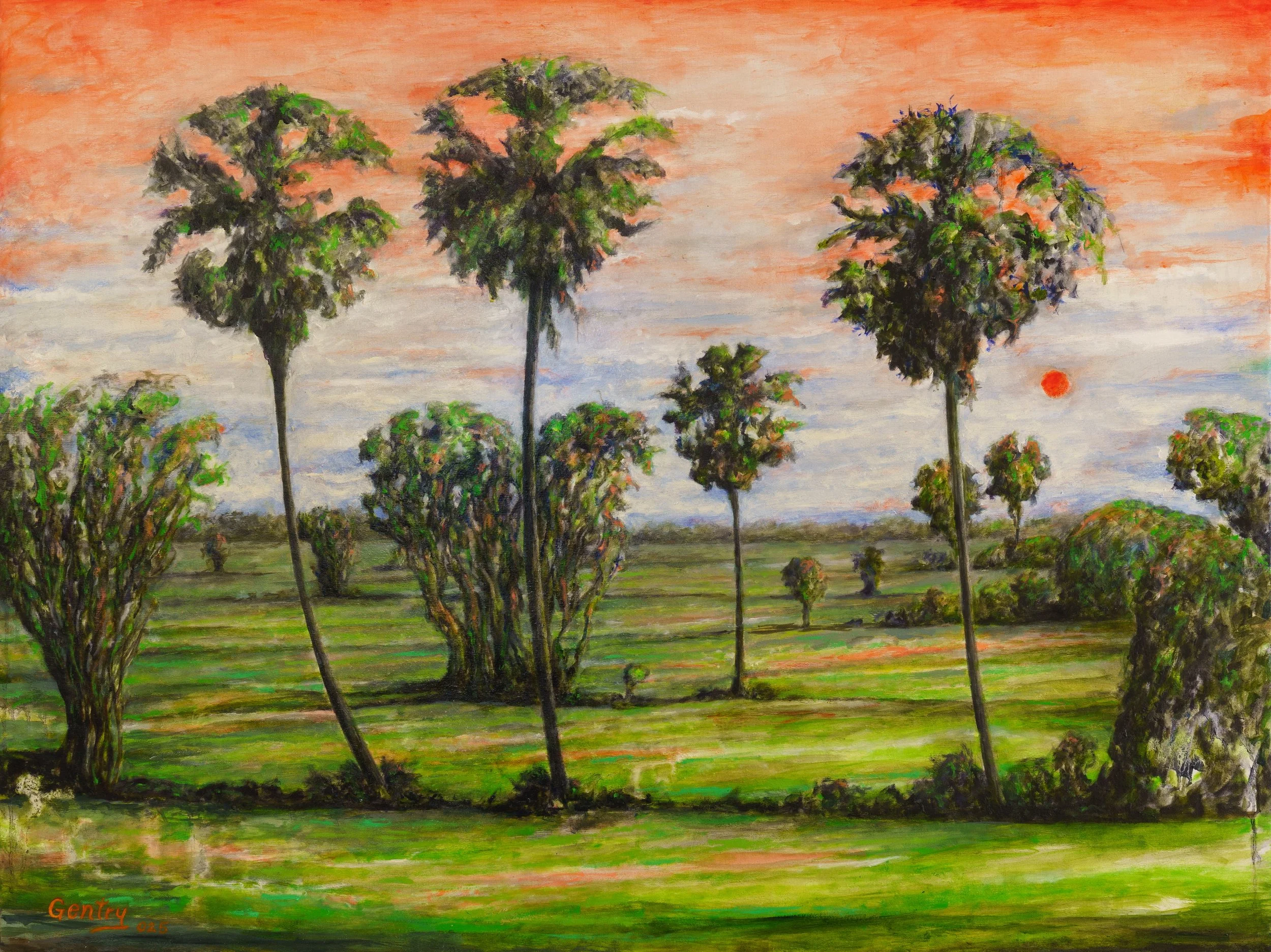
William Gentry, I Saw You on the Way to Phnom Penh, 2025 Oil on Canvas 120x90cm.
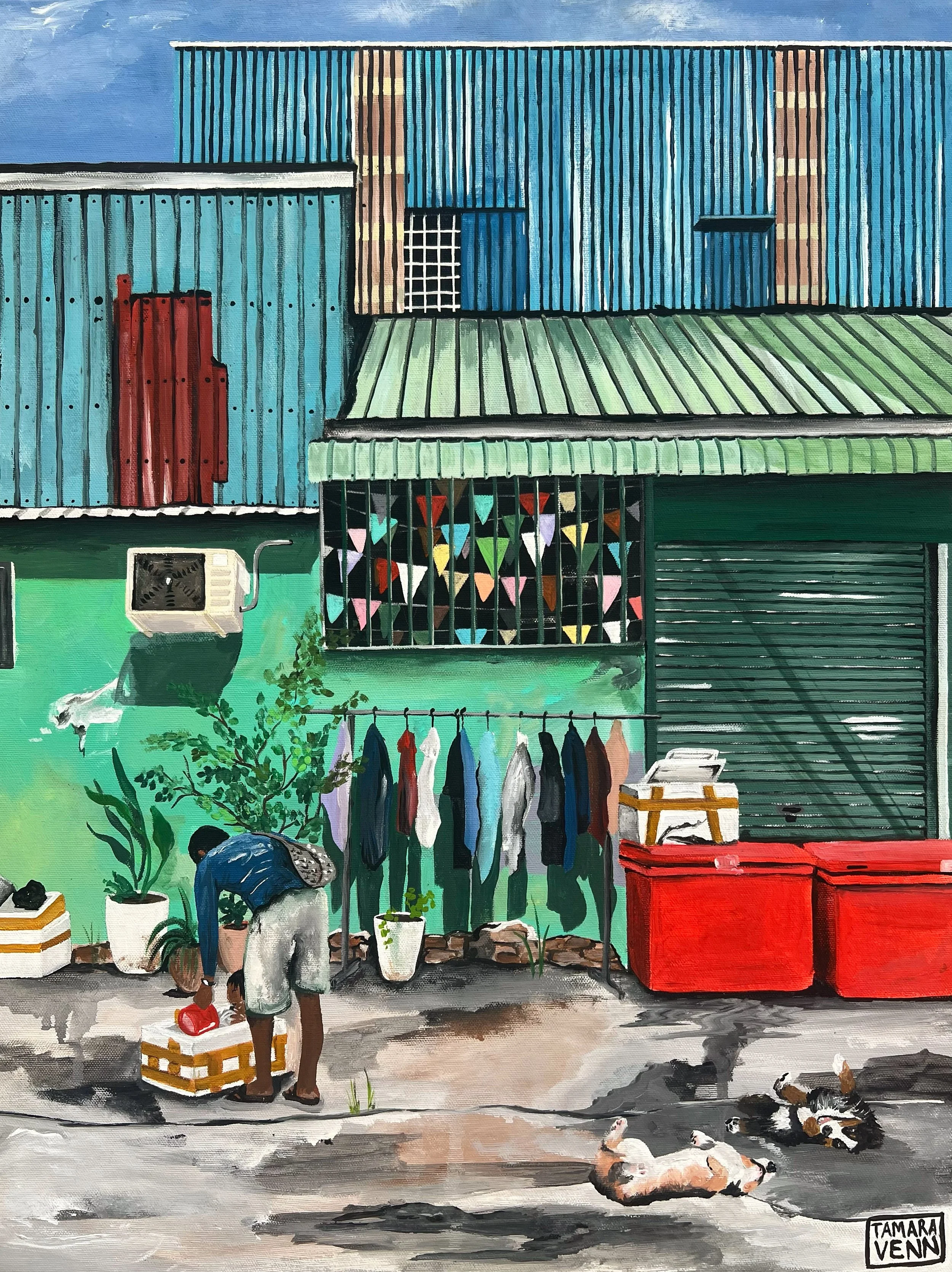
Tamara Venn, Bath Time, 2025 Acrylic on Canvas 45x60cm.
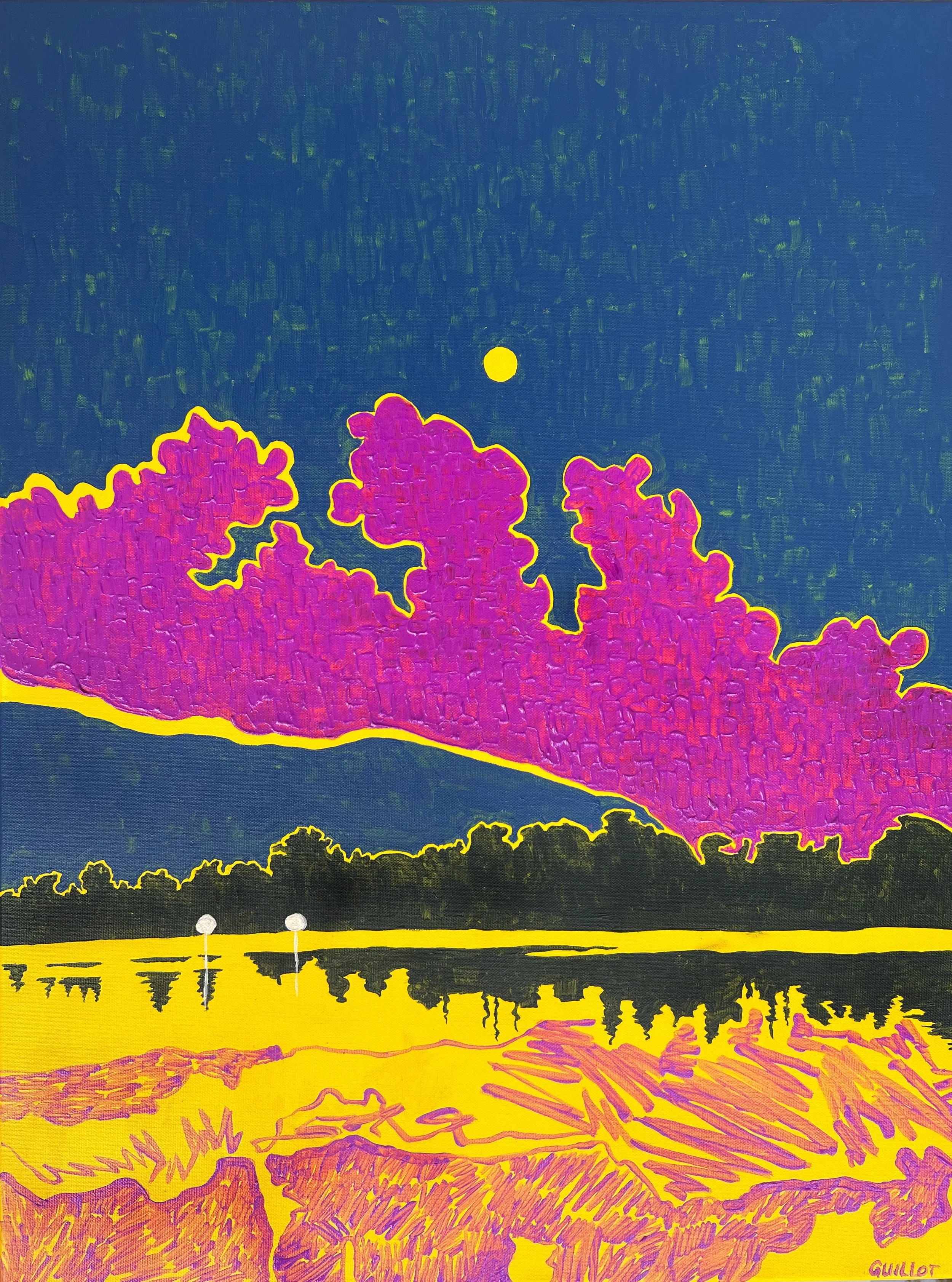
Viviane Guillot, Moonrise Over Srah Sang, 2026 Acrylic on Canvas 60x80cm.
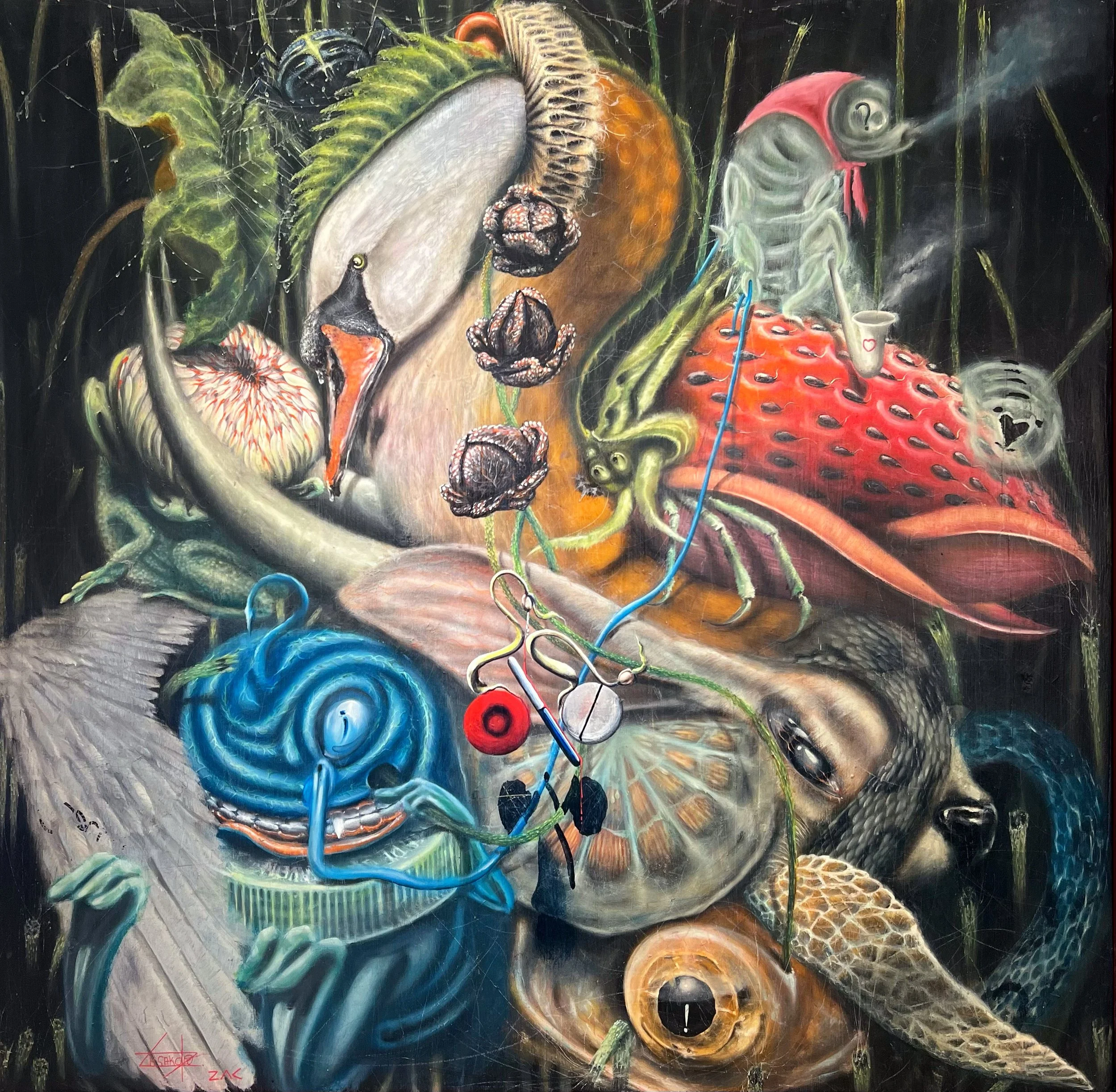
Zak Houes, Sensation Web, 2025 Acrylic on Wood 100x100cm.
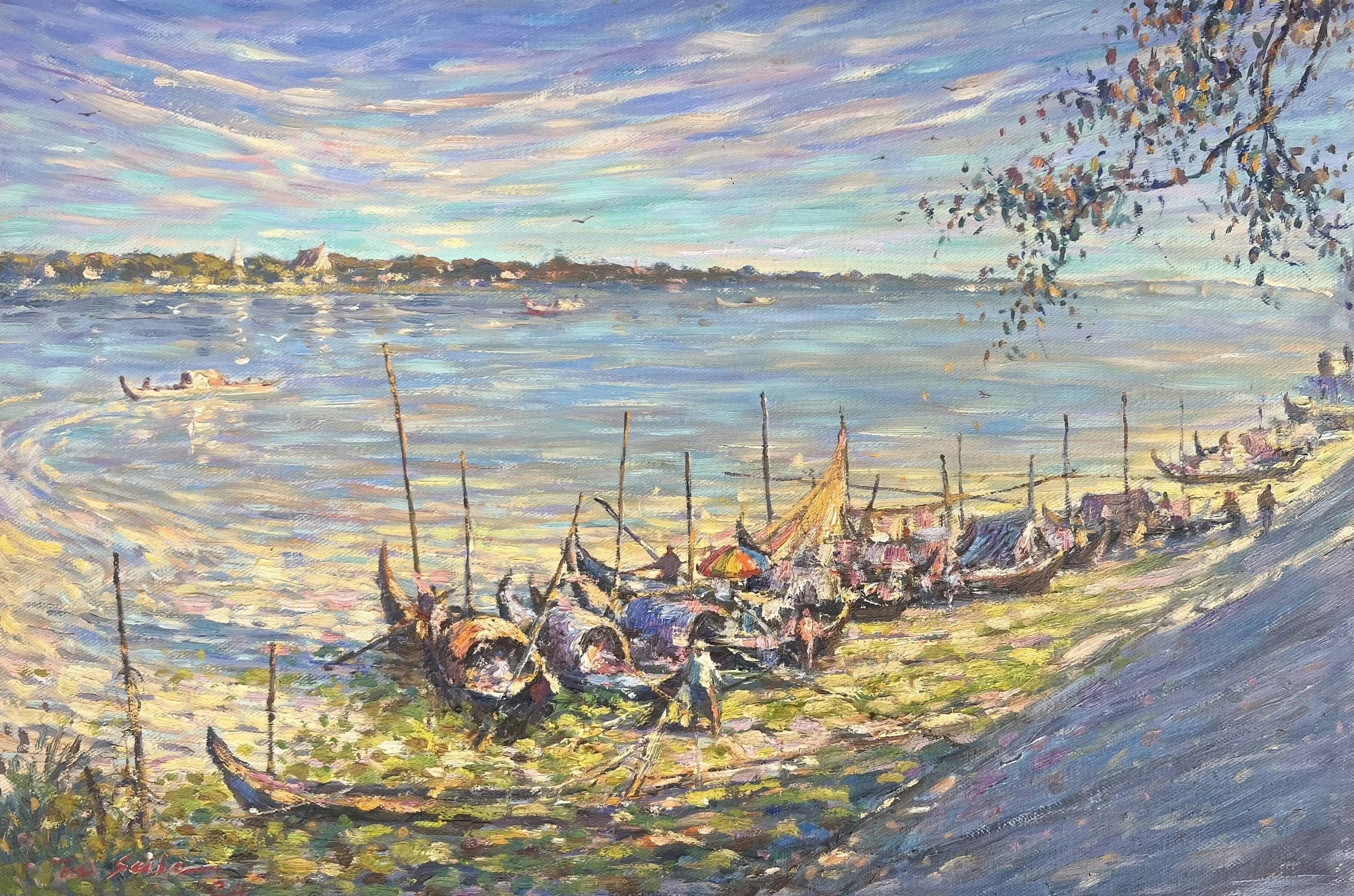
Seila Kh, Life Along the Tonlé, 2024 Oil on Canvas 60x40cm.
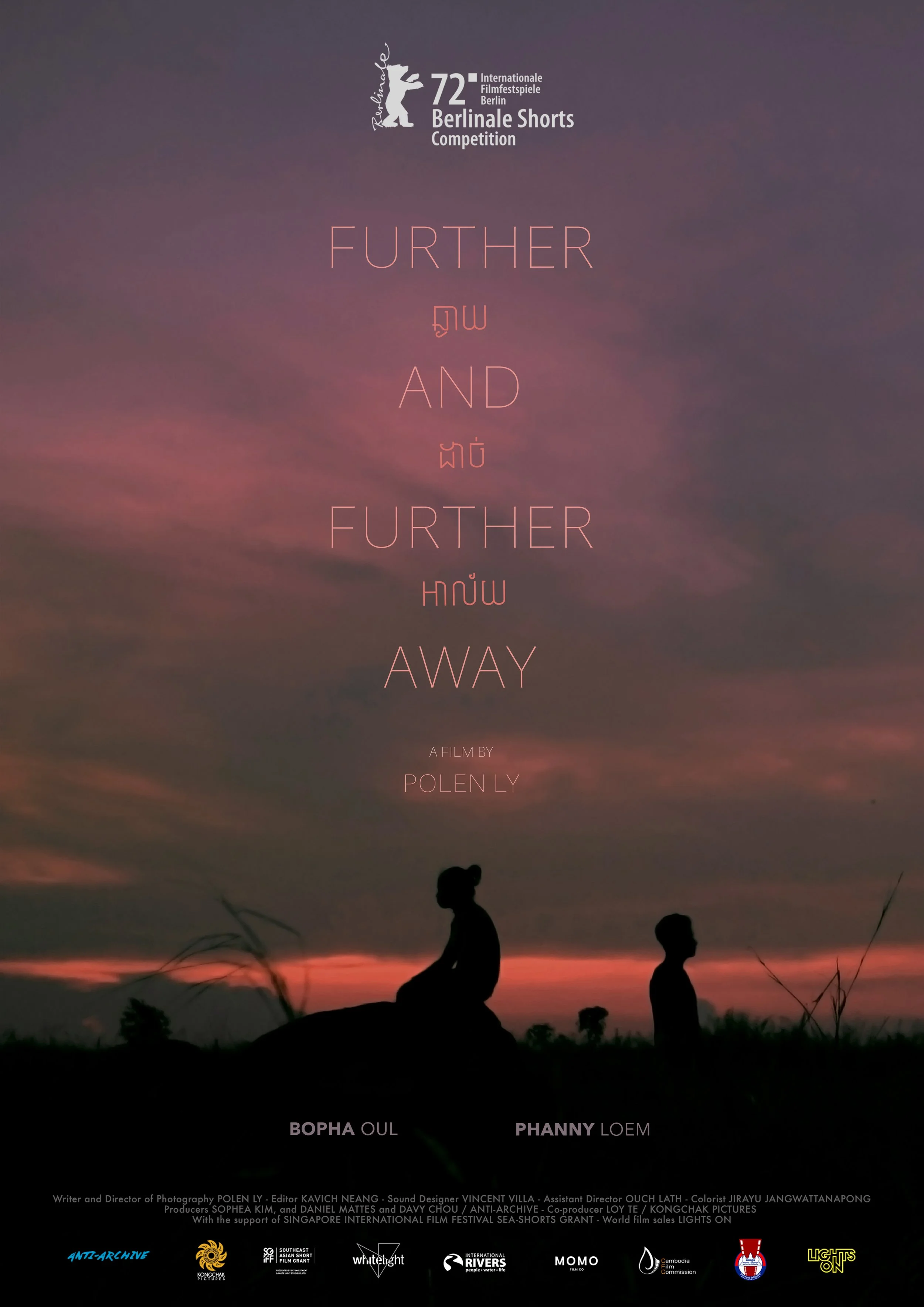
Polen Ly, ឆ្ងាយដាច់អាល័យ Further and Further Away, 2021 Film, Digital 4K, 24 mins. NFS
A young indigenous Bunong woman and her older brother spend one last day in their rural village in northeastern Cambodia, before an impending move to the capital city in search of a more prosperous life. While her brother is excited for the move, she senses a quiet desire to return to their long-gone village that was lost to the development of a nearby hydroelectric dam a few years earlier.